THE ADVENTURE COLLECTIVE® · Independent discovery and booking for outdoor travel

A compact seven-day loop from Windhoek that links Sossusvlei’s dunes, Kolmanskop’s ghost town and Fish River Canyon. Expect long drives, sunrise sand climbs and dramatic photographic light.
A compact seven-day loop from Windhoek that links Sossusvlei’s dunes, Kolmanskop’s ghost town and Fish River Canyon. Expect long drives, sunrise sand climbs and dramatic photographic light.
The trip opens with a long ribbon of red earth out of Windhoek, the road slipping past rocky formations until the dunes of the Namib appear like a moving wall. Early morning at Dune 45 is elemental: the sand shifts underfoot and the crest dares you upward, light carving the ridge into sharp shadow and color. Walks in Deadvlei place ancient camel thorn skeletons against flats of white clay, where the desert’s geometry feels almost deliberate.
Verified experiences and guided adventures in the surrounding area.
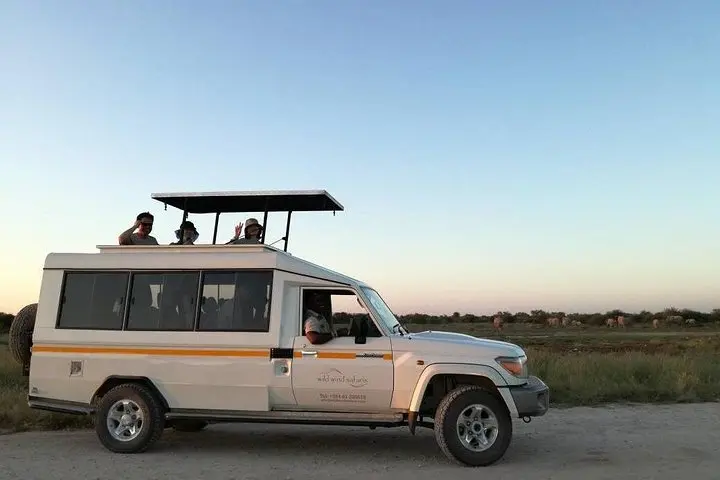
Operated by Wild Wind Safaris · Windhoek, Khomas Region
The trip opens with a long ribbon of red earth out of Windhoek, the road slipping past rocky formations until the dunes of the Namib appear like a moving wall. Early morning at Dune 45 is elemental: the sand shifts underfoot and the crest dares you upward, light carving the ridge into sharp shadow and color. Walks in Deadvlei place ancient camel thorn skeletons against flats of white clay, where the desert’s geometry feels almost deliberate.
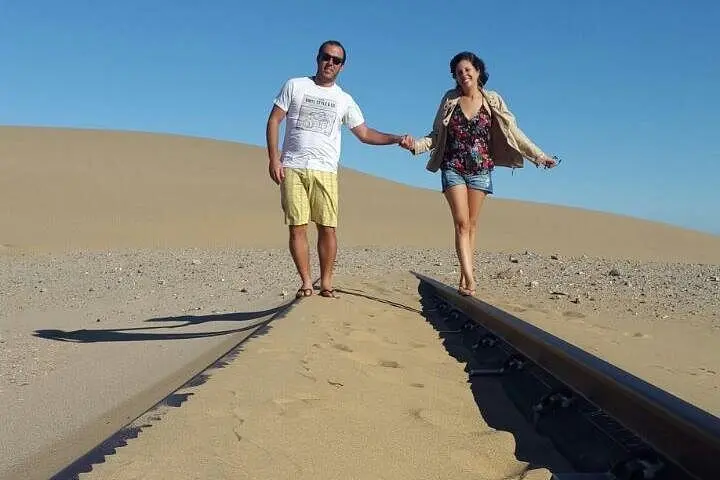
This route stitches together Namibia’s geological and human stories: the Namib is one of the world’s oldest deserts, wind-sculpted for millions of years; Kolmanskop’s ruined miners’ houses recall the brief diamond boom that emptied Luderitz’s neighborhoods. Fish River Canyon exposes layered rock folded over eons, a scale that favors long, quiet observation. Cultural notes surface in small coastal towns where German colonial architecture meets Nama and Afrikaner influences, and in Kalahari camps where San heritage and cattle pastoralism shape local rhythms.
Practical guidance: expect long drives between highlights—plan for early starts and ample water. Dune climbs are steep but short; bring grippy footwear and sun protection. Photography windows are sunrise and late afternoon; midday light flattens the dunes. Lodging alternates between lodges and desert camps—confirm dietary needs ahead and carry cash for small purchases. Park and entry fees are typically included with guided packages, but tipping guides and drivers on multi-day tours is customary. With basic fitness, sensible gear, and a willingness to sit quietly at viewpoints, this seven-day loop delivers stark landscapes, close wildlife sightings like oryx and ostrich, and one of Africa’s most singular desert experiences.
Expect several hours of driving between key sites—transfers are longer on this route, with some full-day drives balanced by short hikes and photo stops.
The tour is described as suitable for all fitness levels, but long drives and dune climbs may be tiring; check with the operator about child rates and mobility needs.
A current valid passport is required; visa requirements depend on nationality—confirm with Namibian authorities before travel.
According to the itinerary, national park fees and most meals per the itinerary are included, but confirm specifics and any extras with the operator.
Wild Wind Safaris operates guided outdoor trips and adventures with an emphasis on safety, stewardship, and memorable experiences.
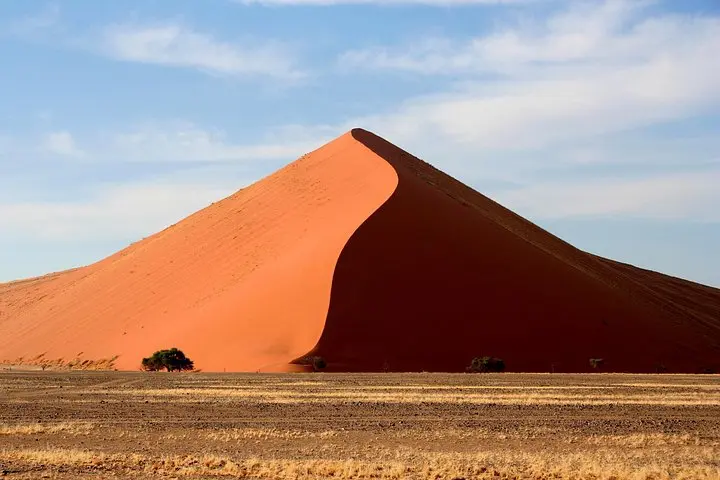
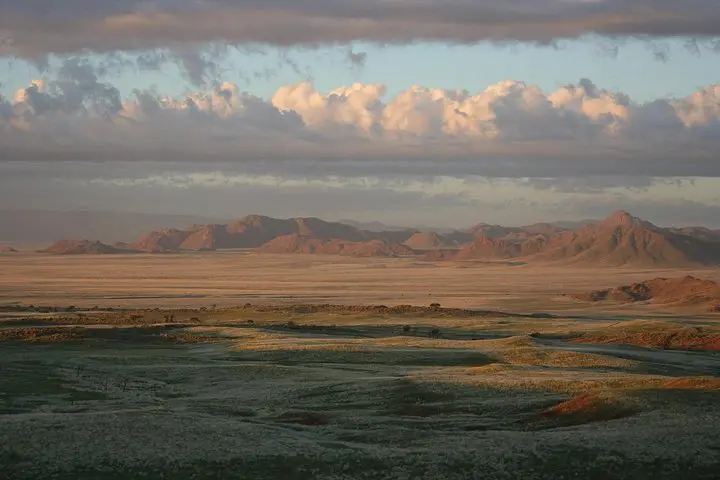
The trip opens with a long ribbon of red earth out of Windhoek, the road slipping past rocky formations until the dunes of the Namib appear like a moving wall. Early morning at Dune 45 is elemental: the sand shifts underfoot and the crest dares you upward, light carving the ridge into sharp shadow and color. Walks in Deadvlei place ancient camel thorn skeletons against flats of white clay, where the desert’s geometry feels almost deliberate.
The trip opens with a long ribbon of red earth out of Windhoek, the road slipping past rocky formations until the dunes of the Namib appear like a moving wall. Early morning at Dune 45 is elemental: the sand shifts underfoot and the crest dares you upward, light carving the ridge into sharp shadow and color. Walks in Deadvlei place ancient camel thorn skeletons against flats of white clay, where the desert’s geometry feels almost deliberate.
This route stitches together Namibia’s geological and human stories: the Namib is one of the world’s oldest deserts, wind-sculpted for millions of years; Kolmanskop’s ruined miners’ houses recall the brief diamond boom that emptied Luderitz’s neighborhoods. Fish River Canyon exposes layered rock folded over eons, a scale that favors long, quiet observation. Cultural notes surface in small coastal towns where German colonial architecture meets Nama and Afrikaner influences, and in Kalahari camps where San heritage and cattle pastoralism shape local rhythms.
Practical guidance: expect long drives between highlights—plan for early starts and ample water. Dune climbs are steep but short; bring grippy footwear and sun protection. Photography windows are sunrise and late afternoon; midday light flattens the dunes. Lodging alternates between lodges and desert camps—confirm dietary needs ahead and carry cash for small purchases. Park and entry fees are typically included with guided packages, but tipping guides and drivers on multi-day tours is customary. With basic fitness, sensible gear, and a willingness to sit quietly at viewpoints, this seven-day loop delivers stark landscapes, close wildlife sightings like oryx and ostrich, and one of Africa’s most singular desert experiences.