THE ADVENTURE COLLECTIVE® · Independent discovery and booking for outdoor travel

A weeklong loop from Amboseli’s plains to the Masai Mara’s river systems, this tented-camp safari combines game drives, a boat trip on Lake Naivasha, a guided walk on Crescent Island and cycling at Hell’s Gate. Expect early game drives, scenic transfers and close encounters with rhino, elephants and big cats.
A weeklong loop from Amboseli’s plains to the Masai Mara’s river systems, this tented-camp safari combines game drives, a boat trip on Lake Naivasha, a guided walk on Crescent Island and cycling at Hell’s Gate. Expect early game drives, scenic transfers and close encounters with rhino, elephants and big cats.
You step out of the Land Cruiser into a heat-hazed plain; acacia silhouettes puncture the horizon and, if weather permits, Kilimanjaro’s snowcap looms far to the south, daring you to look closer.
Verified experiences and guided adventures in the surrounding area.
Operated by Africa Tours · Nairobi, Nairobi County
You step out of the Land Cruiser into a heat-hazed plain; acacia silhouettes puncture the horizon and, if weather permits, Kilimanjaro’s snowcap looms far to the south, daring you to look closer.
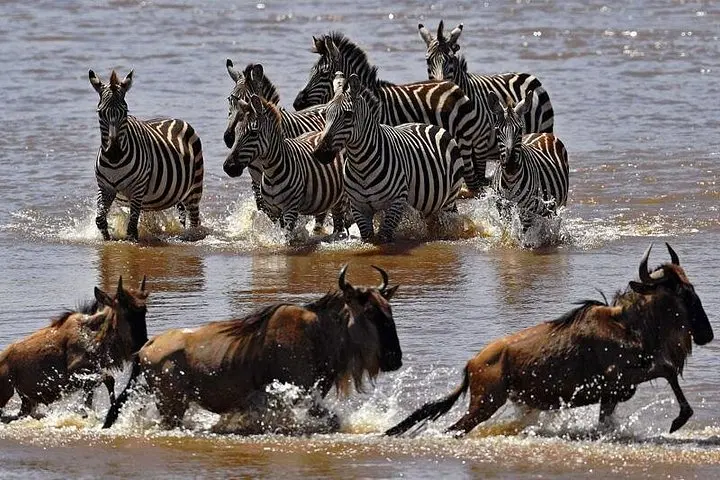
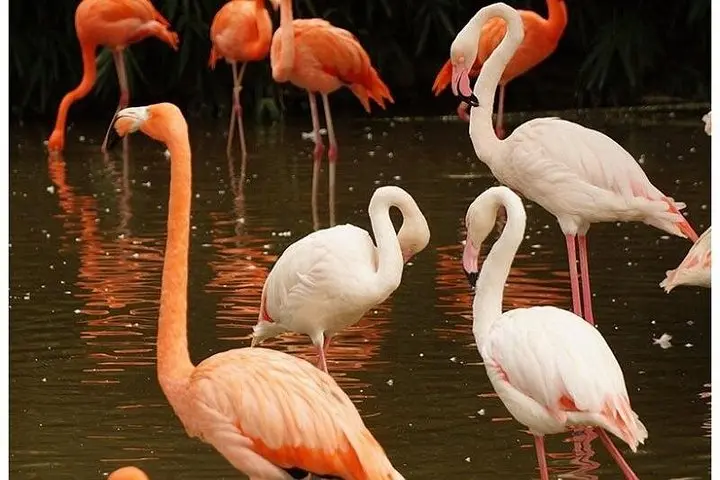
This seven-day route starts in Amboseli—low, dusty plains at roughly 1,100 m—then drops into the Great Rift Valley with stops at Lake Naivasha and Crescent Island, sweeps through Hell’s Gate’s walkable gorges and bike routes, skims the alkaline shores of Lake Nakuru (home to rhino and abundant water birds) and finishes with two full days in the Masai Mara, where tree-studded savannah and the Mara River stage classic big‑game encounters.
Geologically the itinerary follows the Rift Valley escarpment: volcanic rocks, freshwater and alkaline lakes, and erosional canyons that contrast with open savannah. Culturally, the Maasai people remain visible partners in the landscape—herders, guides and craftspeople who have shaped local routes and hospitality.
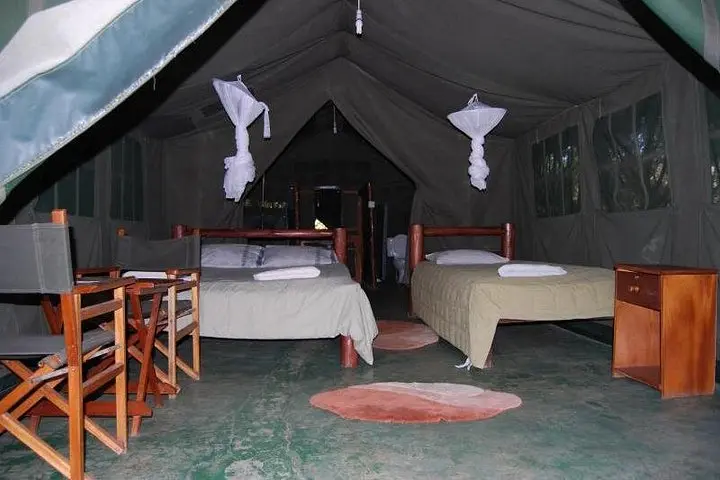
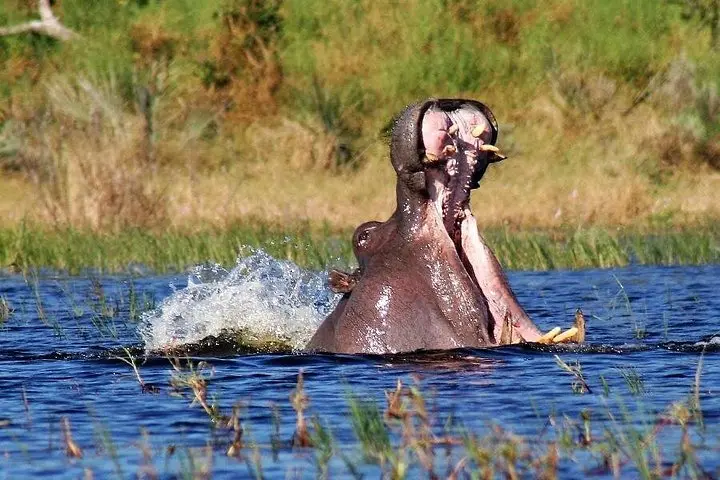
Practically, expect long but scenic transfers (several 2–6 hour drives), multiple game drives each day, short guided walks and a bicycle ride in Hell’s Gate. Accommodations are tented camps with provided meals and bottled water. Wildlife viewing favors early mornings and late afternoons; mid-day is for rest. Bring layered sun protection, binoculars and a camera with a telephoto lens. Follow guide instructions around wildlife—vehicles and camps are your safe vantage points. With basic mobility and willingness to spend hours in a vehicle, this circuit delivers concentrated East African safari terrain, wildlife diversity and hands-on natural history in one compact week.
July–October (dry season) is best for large-mammal concentrations and the Great Migration in the Masai Mara; January–March can also offer good viewing with fewer tourists.
Travelers should check visa requirements for Kenya and consult a travel clinic about recommended vaccinations (e.g., yellow fever if required, typhoid, hepatitis) and malaria prophylaxis.
Most of the trip is vehicle-based with short walks and a gentle bike ride; basic mobility is sufficient, though early mornings and long transfers can be tiring.
Tented camps typically accommodate dietary requests if notified in advance; the tour lists wheelchair‑accessible transport—confirm specific accessibility needs at booking.
Africa Tours operates guided outdoor trips and adventures with an emphasis on safety, stewardship, and memorable experiences.
You step out of the Land Cruiser into a heat-hazed plain; acacia silhouettes puncture the horizon and, if weather permits, Kilimanjaro’s snowcap looms far to the south, daring you to look closer.
You step out of the Land Cruiser into a heat-hazed plain; acacia silhouettes puncture the horizon and, if weather permits, Kilimanjaro’s snowcap looms far to the south, daring you to look closer.
This seven-day route starts in Amboseli—low, dusty plains at roughly 1,100 m—then drops into the Great Rift Valley with stops at Lake Naivasha and Crescent Island, sweeps through Hell’s Gate’s walkable gorges and bike routes, skims the alkaline shores of Lake Nakuru (home to rhino and abundant water birds) and finishes with two full days in the Masai Mara, where tree-studded savannah and the Mara River stage classic big‑game encounters.
Geologically the itinerary follows the Rift Valley escarpment: volcanic rocks, freshwater and alkaline lakes, and erosional canyons that contrast with open savannah. Culturally, the Maasai people remain visible partners in the landscape—herders, guides and craftspeople who have shaped local routes and hospitality.
Practically, expect long but scenic transfers (several 2–6 hour drives), multiple game drives each day, short guided walks and a bicycle ride in Hell’s Gate. Accommodations are tented camps with provided meals and bottled water. Wildlife viewing favors early mornings and late afternoons; mid-day is for rest. Bring layered sun protection, binoculars and a camera with a telephoto lens. Follow guide instructions around wildlife—vehicles and camps are your safe vantage points. With basic mobility and willingness to spend hours in a vehicle, this circuit delivers concentrated East African safari terrain, wildlife diversity and hands-on natural history in one compact week.