THE ADVENTURE COLLECTIVE® · Independent discovery and booking for outdoor travel

A seven-day Machame ascent charts a dramatic climb from misty rainforest to the glacier-scarred rim of Kibo. This guide explains the route’s shifting terrain, cultural context, and practical tips to prepare for the summit push.
A seven-day Machame ascent charts a dramatic climb from misty rainforest to the glacier-scarred rim of Kibo. This guide explains the route’s shifting terrain, cultural context, and practical tips to prepare for the summit push.
You step out of the jeep at Machame trailhead and the mountain takes a breath beside you — a slow, enormous inhalation that moves mist through moss-draped trunks and tugs at your cuffs. The first hours are soft: sunlight dappled through giant heather and the chatter of birds. As the route breaks from forest into moorland the sky opens, and Kibo's cone looms, indifferent and immense, its summit rimmed with glacier ice that dares you to keep going.
Verified experiences and guided adventures in the surrounding area.
Operated by Furaha Adventures · Moshi, Kilimanjaro Region
You step out of the jeep at Machame trailhead and the mountain takes a breath beside you — a slow, enormous inhalation that moves mist through moss-draped trunks and tugs at your cuffs. The first hours are soft: sunlight dappled through giant heather and the chatter of birds. As the route breaks from forest into moorland the sky opens, and Kibo's cone looms, indifferent and immense, its summit rimmed with glacier ice that dares you to keep going.
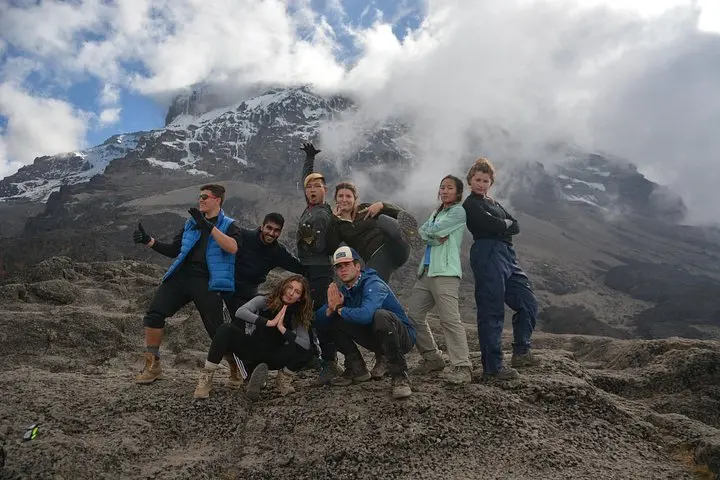
The Machame route is a classic for a reason: varied terrain, steady acclimatization, and scenery that shifts dramatically over seven days. Beginning in the montane rainforest, climbers pass into heath and moor, across the Shira Plateau's windswept highland, and into the stark lunar expanse of alpine desert before the final, thin-airs of the arctic summit. Geologically, Kilimanjaro is a dormant stratovolcano composed of three cones — Kibo, Mawenzi and Shira — whose eruptions and erosions sculpted the cliffs and plateau you'll cross.
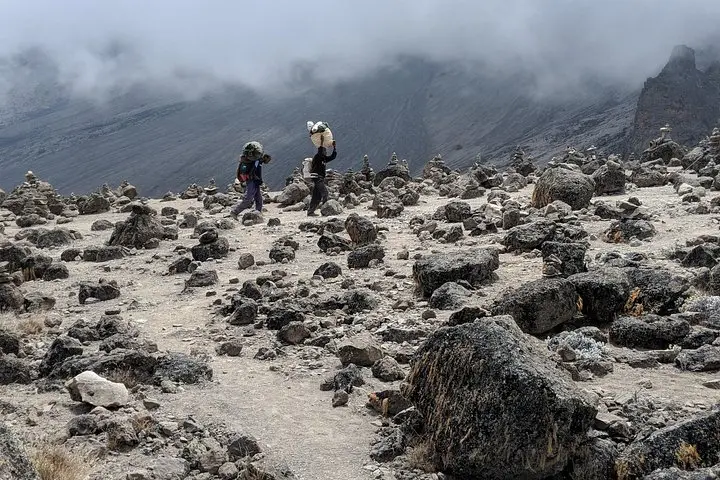
Beyond rock and ice, the mountain is stitched into local life. The Chagga people have farmed the lower slopes for generations; villages around Moshi serve as supply and support hubs, and many guides and porters come from those communities. German explorer Hans Meyer made the first recorded successful ascent of Kibo in 1889, but the mountain has long been part of regional oral histories and ritual.
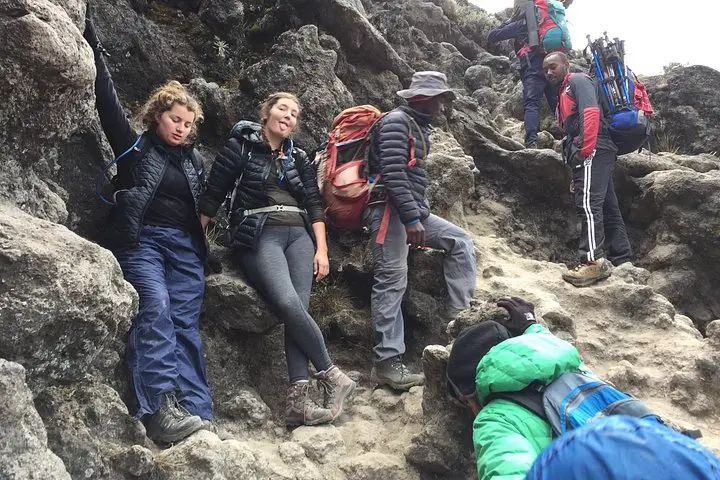
On Machame you will sense the mountain’s agency: the forest feels dense and watchful, the wind across Shira impatient, and the alpine air thin and commanding. Guides here are practical guardians — measuring pace, pulse, and morale — and the itinerary’s built-in acclimatization (sleeping lower after high hikes) is your best defense against altitude.
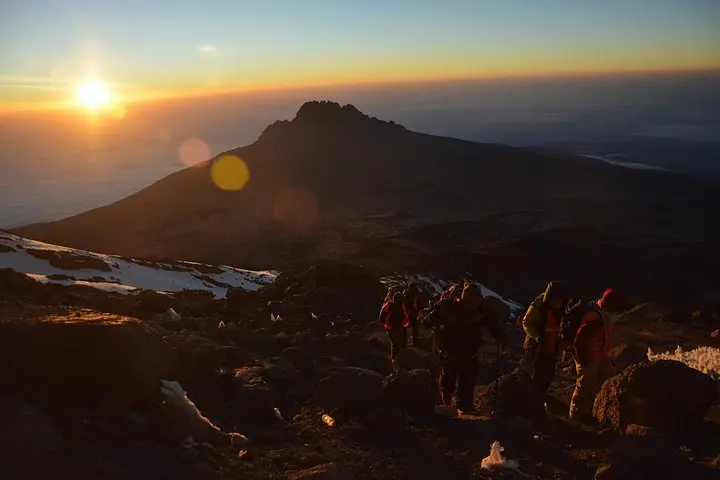
Practical guidance: expect 5–8 hours of hiking on most days, with the summit push as a long overnight that begins around midnight and can involve 6–7 hours up and a multi-hour descent the same day. Footwear should be broken-in, waterproof boots with solid ankle support; trekking poles reduce knee strain on descents and can help the summit crawl. Layers are essential: daytime can be warm in moorland, but summit temperatures dip well below freezing; a good down jacket and wind shell are musts. Hydrate steadily — drink a liter or more daily and carry electrolyte mixes; altitude dehydration sneaks up.
Logistics: the tour typically starts and finishes in Moshi, includes park and rescue fees, meals, and professional guides; tipping the support crew is customary. Choose a 7-day Machame itinerary over shorter options for a better acclimatization profile and higher summit odds. Leave no trace: pack out non-biodegradable waste and respect park rules to protect Kilimanjaro’s fragile high-altitude environment.
Machame is considered moderately difficult due to its steep sections and long days, but the 7-day itinerary offers strong acclimatization and higher summit success than faster routes.
No technical climbing gear is required for the Machame route; the climb is a strenuous trek rather than a technical ascent, but crampons may be used if icy conditions occur near the crater rim.
Dry seasons—January–February and June–October—offer the most stable weather; avoid the long rains (March–May) when trails are muddy and visibility poor.
This tour includes park fees and rescue fees as listed, but confirm details with your operator and budget for crew tips and any personal gear rentals.
Altitude sickness is common at high elevations; the itinerary’s acclimatization days lower the risk, but listen to guides, ascend slowly, and report symptoms early—descent is the safest treatment.
Tipping is customary and an important source of income for the crew; plan to tip at the end of the trek based on crew size and service quality.
Furaha Adventures operates guided outdoor trips and adventures with an emphasis on safety, stewardship, and memorable experiences.
You step out of the jeep at Machame trailhead and the mountain takes a breath beside you — a slow, enormous inhalation that moves mist through moss-draped trunks and tugs at your cuffs. The first hours are soft: sunlight dappled through giant heather and the chatter of birds. As the route breaks from forest into moorland the sky opens, and Kibo's cone looms, indifferent and immense, its summit rimmed with glacier ice that dares you to keep going.
You step out of the jeep at Machame trailhead and the mountain takes a breath beside you — a slow, enormous inhalation that moves mist through moss-draped trunks and tugs at your cuffs. The first hours are soft: sunlight dappled through giant heather and the chatter of birds. As the route breaks from forest into moorland the sky opens, and Kibo's cone looms, indifferent and immense, its summit rimmed with glacier ice that dares you to keep going.
The Machame route is a classic for a reason: varied terrain, steady acclimatization, and scenery that shifts dramatically over seven days. Beginning in the montane rainforest, climbers pass into heath and moor, across the Shira Plateau's windswept highland, and into the stark lunar expanse of alpine desert before the final, thin-airs of the arctic summit. Geologically, Kilimanjaro is a dormant stratovolcano composed of three cones — Kibo, Mawenzi and Shira — whose eruptions and erosions sculpted the cliffs and plateau you'll cross.
Beyond rock and ice, the mountain is stitched into local life. The Chagga people have farmed the lower slopes for generations; villages around Moshi serve as supply and support hubs, and many guides and porters come from those communities. German explorer Hans Meyer made the first recorded successful ascent of Kibo in 1889, but the mountain has long been part of regional oral histories and ritual.
On Machame you will sense the mountain’s agency: the forest feels dense and watchful, the wind across Shira impatient, and the alpine air thin and commanding. Guides here are practical guardians — measuring pace, pulse, and morale — and the itinerary’s built-in acclimatization (sleeping lower after high hikes) is your best defense against altitude.
Practical guidance: expect 5–8 hours of hiking on most days, with the summit push as a long overnight that begins around midnight and can involve 6–7 hours up and a multi-hour descent the same day. Footwear should be broken-in, waterproof boots with solid ankle support; trekking poles reduce knee strain on descents and can help the summit crawl. Layers are essential: daytime can be warm in moorland, but summit temperatures dip well below freezing; a good down jacket and wind shell are musts. Hydrate steadily — drink a liter or more daily and carry electrolyte mixes; altitude dehydration sneaks up.
Logistics: the tour typically starts and finishes in Moshi, includes park and rescue fees, meals, and professional guides; tipping the support crew is customary. Choose a 7-day Machame itinerary over shorter options for a better acclimatization profile and higher summit odds. Leave no trace: pack out non-biodegradable waste and respect park rules to protect Kilimanjaro’s fragile high-altitude environment.