THE ADVENTURE COLLECTIVE® · Independent discovery and booking for outdoor travel

This seven‑day Machame Route climb balances acclimatization and ambition: rainforest trails, alpine desert, a midnight summit push, and descent through forest to Mweka Gate. A locally run, private guided trip focused on ethical staffing and a higher chance of reaching Uhuru Peak.
This seven‑day Machame Route climb balances acclimatization and ambition: rainforest trails, alpine desert, a midnight summit push, and descent through forest to Mweka Gate. A locally run, private guided trip focused on ethical staffing and a higher chance of reaching Uhuru Peak.
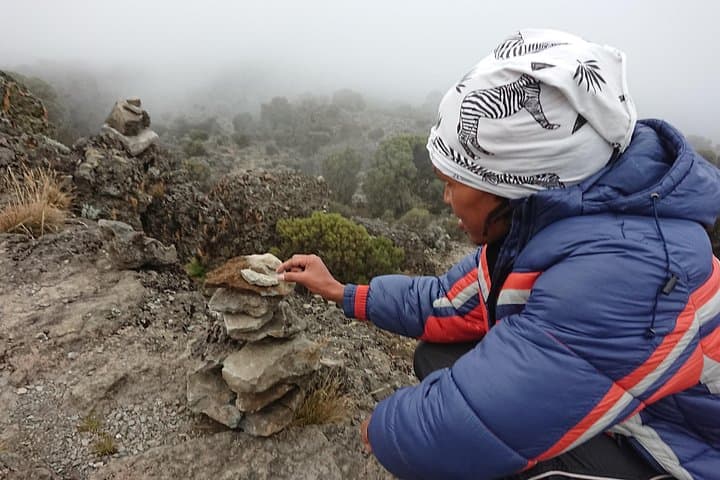
Dawn arrives pale and thin on the rainforest edge of Mount Kilimanjaro, fog lifting like breath from the trunks as a string of climbers and porters wind up the Machame Trail. The first day climbs from Machame Gate (1,790 m) through dripping montane forest to Machame Camp (2,980 m), a sharp 1,200‑meter gain that introduces hikers to the mountain’s changing moods: humid undergrowth, chattering birds, then open heath where the landscape thins and the views take over.
Verified experiences and guided adventures in the surrounding area.
Operated by Tarry Adventures and Safaris · Moshi, Kilimanjaro Region
Dawn arrives pale and thin on the rainforest edge of Mount Kilimanjaro, fog lifting like breath from the trunks as a string of climbers and porters wind up the Machame Trail. The first day climbs from Machame Gate (1,790 m) through dripping montane forest to Machame Camp (2,980 m), a sharp 1,200‑meter gain that introduces hikers to the mountain’s changing moods: humid undergrowth, chattering birds, then open heath where the landscape thins and the views take over.
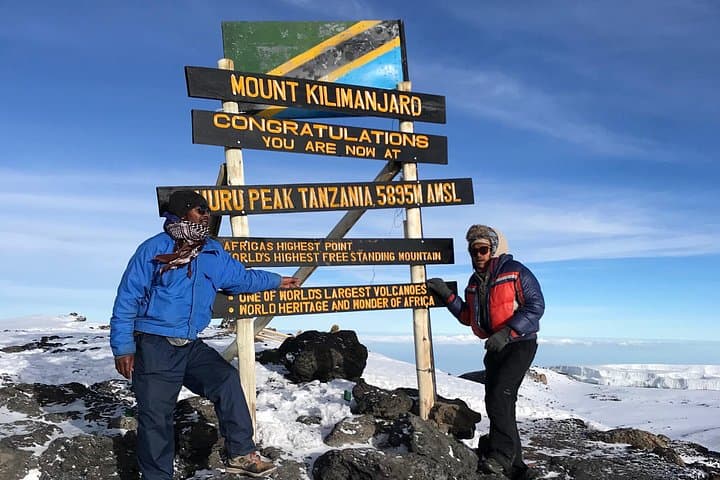
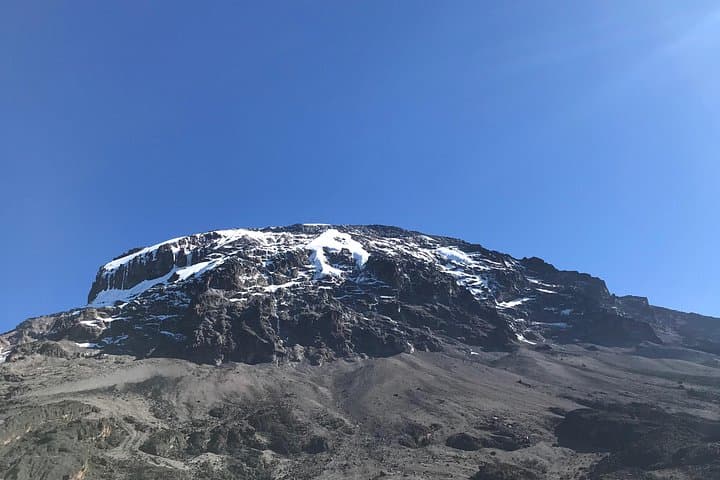
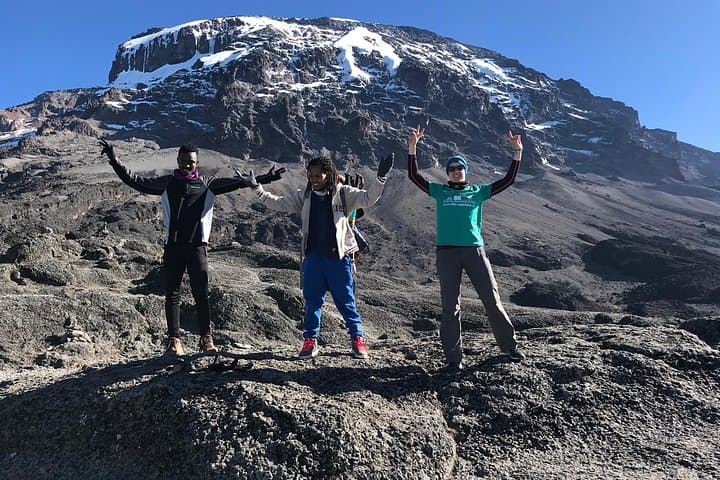
Over seven days this private guided itinerary trades speed for acclimatization: Shira Plateau’s winds and the raw basalt around Lava Tower, a midday detour past the 4,526 m marker, give lungs a rehearsal before the black‑ice and scree of Barafu. The summit push begins around midnight from Barafu (4,681 m), an overnight climb of roughly 1,200 m to Uhuru Peak (5,895 m) via Stella Point (5,700 m). The descent to Mweka Gate is long but merciful—forest returns and the mountain seems to exhale with each step downhill.
Kilimanjaro is more than geology; it’s layered human and natural history. The Chagga communities on the southern slopes farm banana terraces and maintain trails that early European explorers mapped in the late 19th century—Hans Meyer’s 1889 ascent remains part of the mountain’s lore. Glacial ice still caps the summit, a visible relic of past climates that scientists say is rapidly receding.
This operator emphasizes ethical tourism: locally owned, licensed guides and porters who are paid and equipped, and a portion of proceeds that supports local education. That matters on a mountain where responsible logistics—adequate staffing, proper sleeping systems, and good food—directly affect safety and summit chances.
Practical guidance: train with sustained uphill workouts and long back‑to‑back days; the itinerary’s deliberate pacing is designed to increase success and reduce acute mountain sickness. Break the summit night into small milestones: focus on steps, warming fluids, and short breaks rather than pace. Footwear should be broken in, waterproof, with good tread for scree; trekking poles reduce knee strain on the long descent. Hydration at altitude is nonnegotiable—carry 3–4 liters, and consider electrolyte mixes. Bring layers that handle wind and subzero conditions for summit night: down jacket, insulated pants, hat, and gloves.
Expect variable terrain—forest rootwork, dusty highland tracks, volcanic scree, and the rare snowfield near the crater. Weather can shift quickly; plan buffer days in your itinerary for travel or recovery. For photographers, sunrise from Stella Point provides the most dramatic light; culturally curious travelers should spend time in Moshi before or after the trek to meet guides and learn about Chagga life. With preparation and respect for the mountain, the Machame Route is a demanding but deeply rewarding route to Africa’s rooftop.
You should have a solid aerobic base—regular uphill hiking, stair‑climbing workouts and back‑to‑back long days—and be comfortable carrying a daypack for 6–8 hours.
A slower itinerary like this 7‑day Machame significantly improves acclimatization and summit success, but weather and individual altitude response are deciding factors.
Yes; this operator supplies licensed guides, cooks and porters, with pay and equipment standards; confirm porter weight limits and insurance with the company before booking.
No technical gear or rope work is required for Machame; crampons are sometimes used near the summit if snow is present, but the company typically provides guidance.
Routine vaccinations are advised; check for yellow fever requirements, bring altitude awareness, and consult a travel clinic about malaria prophylaxis for lower‑altitude time in Moshi.
Summit certificates are issued at Mweka Gate after signing out; this operator also provides a completion medal and a certificate color (green for Stella Point, gold for Uhuru Peak).
Tarry Adventures and Safaris operates guided outdoor trips and adventures with an emphasis on safety, stewardship, and memorable experiences.
Dawn arrives pale and thin on the rainforest edge of Mount Kilimanjaro, fog lifting like breath from the trunks as a string of climbers and porters wind up the Machame Trail. The first day climbs from Machame Gate (1,790 m) through dripping montane forest to Machame Camp (2,980 m), a sharp 1,200‑meter gain that introduces hikers to the mountain’s changing moods: humid undergrowth, chattering birds, then open heath where the landscape thins and the views take over.
Dawn arrives pale and thin on the rainforest edge of Mount Kilimanjaro, fog lifting like breath from the trunks as a string of climbers and porters wind up the Machame Trail. The first day climbs from Machame Gate (1,790 m) through dripping montane forest to Machame Camp (2,980 m), a sharp 1,200‑meter gain that introduces hikers to the mountain’s changing moods: humid undergrowth, chattering birds, then open heath where the landscape thins and the views take over.
Over seven days this private guided itinerary trades speed for acclimatization: Shira Plateau’s winds and the raw basalt around Lava Tower, a midday detour past the 4,526 m marker, give lungs a rehearsal before the black‑ice and scree of Barafu. The summit push begins around midnight from Barafu (4,681 m), an overnight climb of roughly 1,200 m to Uhuru Peak (5,895 m) via Stella Point (5,700 m). The descent to Mweka Gate is long but merciful—forest returns and the mountain seems to exhale with each step downhill.
Kilimanjaro is more than geology; it’s layered human and natural history. The Chagga communities on the southern slopes farm banana terraces and maintain trails that early European explorers mapped in the late 19th century—Hans Meyer’s 1889 ascent remains part of the mountain’s lore. Glacial ice still caps the summit, a visible relic of past climates that scientists say is rapidly receding.
This operator emphasizes ethical tourism: locally owned, licensed guides and porters who are paid and equipped, and a portion of proceeds that supports local education. That matters on a mountain where responsible logistics—adequate staffing, proper sleeping systems, and good food—directly affect safety and summit chances.
Practical guidance: train with sustained uphill workouts and long back‑to‑back days; the itinerary’s deliberate pacing is designed to increase success and reduce acute mountain sickness. Break the summit night into small milestones: focus on steps, warming fluids, and short breaks rather than pace. Footwear should be broken in, waterproof, with good tread for scree; trekking poles reduce knee strain on the long descent. Hydration at altitude is nonnegotiable—carry 3–4 liters, and consider electrolyte mixes. Bring layers that handle wind and subzero conditions for summit night: down jacket, insulated pants, hat, and gloves.
Expect variable terrain—forest rootwork, dusty highland tracks, volcanic scree, and the rare snowfield near the crater. Weather can shift quickly; plan buffer days in your itinerary for travel or recovery. For photographers, sunrise from Stella Point provides the most dramatic light; culturally curious travelers should spend time in Moshi before or after the trek to meet guides and learn about Chagga life. With preparation and respect for the mountain, the Machame Route is a demanding but deeply rewarding route to Africa’s rooftop.