THE ADVENTURE COLLECTIVE® · Independent discovery and booking for outdoor travel

Traverse rainforest, moorland and icy summit ridges on the classic 7-day Machame Route to Uhuru Peak. This guide covers what to expect day-to-day, essential gear, acclimatization tips and local insights to help you plan for success.
Traverse rainforest, moorland and icy summit ridges on the classic 7-day Machame Route to Uhuru Peak. This guide covers what to expect day-to-day, essential gear, acclimatization tips and local insights to help you plan for success.
You step off the vehicle into a wet, green hush at Machame Gate as the rainforest seems to breathe around you. Trails thread upward through moss-choked trunks and drip with mist; the mountain’s silhouette looms, patient and indifferent, its icefields already sketching tomorrow’s weather.
Verified experiences and guided adventures in the surrounding area.
Operated by Leader Expeditions Tours and Safaris · Arusha, Kilimanjaro Region
You step off the vehicle into a wet, green hush at Machame Gate as the rainforest seems to breathe around you. Trails thread upward through moss-choked trunks and drip with mist; the mountain’s silhouette looms, patient and indifferent, its icefields already sketching tomorrow’s weather.
The Machame (Whisky) Route pushes from humid montane forest through moorland and alpine desert to the glaciated crown of Uhuru Peak. Geologically, Kilimanjaro is a three-cone stratovolcano—Shira, Mawenzi and Kibo—whose summit ice caps are relics of a cooler era and now retreating under climate pressure. Culturally the climb crosses Chagga farmlands and old caravan paths; local porters and cooks are central to summit success and the region’s mountain economy.
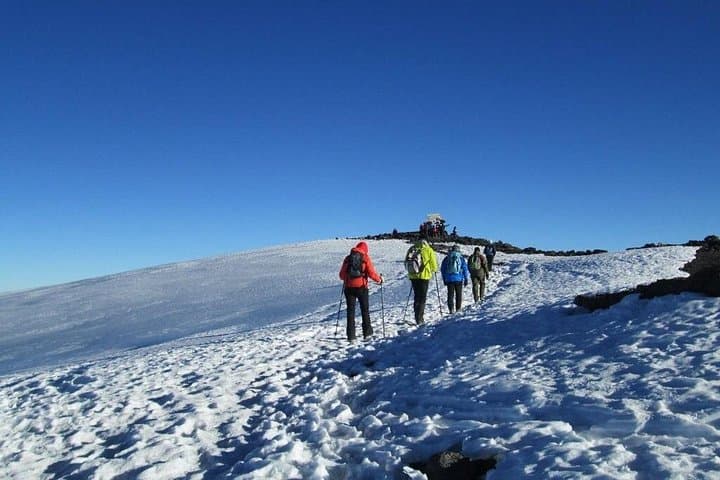
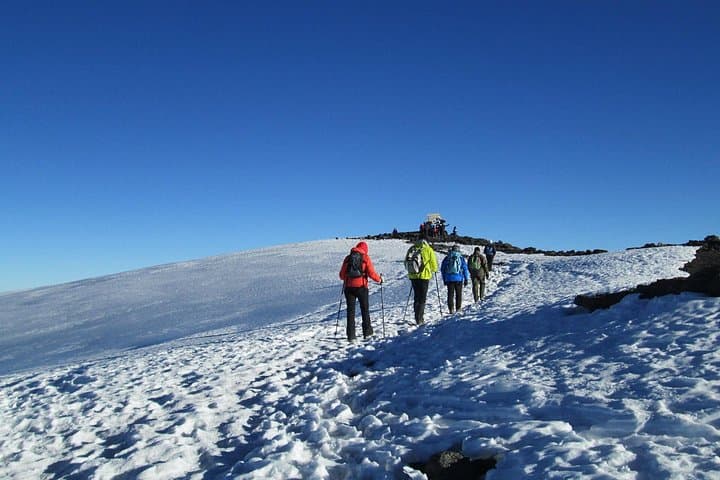
Expect steep, rocky ridges on days 2–5, crucial acclimatization at Lava Tower, and a brutal midnight summit push from Barafu with heavy scree and possible snow near Stella Point and Uhuru Peak. Weather swings fast: rain in the forest, biting wind above 4,000 m, and intense sun on exposed ridgelines.
Practically: walk slow, use trekking poles and gaiters on muddy approaches, and drink often—aim for 3–4 liters daily. A good sleeping bag rated near -10°C, layered clothing and sturdy, broken-in boots matter more than peak physical speed. Respect the pace set by guides; they read the mountain and your body. If altitude symptoms appear, descend; acclimatization days pay back tenfold. Finish in Arusha or Moshi with hot showers, a summit photo and the quiet satisfaction of having walked a continent’s roof.
No—Machame is a non-technical trekking route. You’ll face long, steep walking and scree; no ropes or crampons are normally required.
Main windows are January–March and June–October when the weather is generally drier, though conditions can vary and rain is possible any season.
Crucial—local guides manage pacing and safety, and porters carry heavy loads and set camps; they significantly increase summit success and comfort.
Acute Mountain Sickness (AMS) is the primary risk; operators use gradual ascent, acclimatization days, and descent if symptoms appear—communicate any headaches, nausea or dizziness immediately.
Leader Expeditions Tours and Safaris operates guided outdoor trips and adventures with an emphasis on safety, stewardship, and memorable experiences.
You step off the vehicle into a wet, green hush at Machame Gate as the rainforest seems to breathe around you. Trails thread upward through moss-choked trunks and drip with mist; the mountain’s silhouette looms, patient and indifferent, its icefields already sketching tomorrow’s weather.
You step off the vehicle into a wet, green hush at Machame Gate as the rainforest seems to breathe around you. Trails thread upward through moss-choked trunks and drip with mist; the mountain’s silhouette looms, patient and indifferent, its icefields already sketching tomorrow’s weather.
The Machame (Whisky) Route pushes from humid montane forest through moorland and alpine desert to the glaciated crown of Uhuru Peak. Geologically, Kilimanjaro is a three-cone stratovolcano—Shira, Mawenzi and Kibo—whose summit ice caps are relics of a cooler era and now retreating under climate pressure. Culturally the climb crosses Chagga farmlands and old caravan paths; local porters and cooks are central to summit success and the region’s mountain economy.
Expect steep, rocky ridges on days 2–5, crucial acclimatization at Lava Tower, and a brutal midnight summit push from Barafu with heavy scree and possible snow near Stella Point and Uhuru Peak. Weather swings fast: rain in the forest, biting wind above 4,000 m, and intense sun on exposed ridgelines.
Practically: walk slow, use trekking poles and gaiters on muddy approaches, and drink often—aim for 3–4 liters daily. A good sleeping bag rated near -10°C, layered clothing and sturdy, broken-in boots matter more than peak physical speed. Respect the pace set by guides; they read the mountain and your body. If altitude symptoms appear, descend; acclimatization days pay back tenfold. Finish in Arusha or Moshi with hot showers, a summit photo and the quiet satisfaction of having walked a continent’s roof.