THE ADVENTURE COLLECTIVE® · Independent discovery and booking for outdoor travel

Follow the Machame (Whisky) Route from forested trails to the crater rim on this 7-day guided trek. Expect changing ecosystems, steep sections like Barranco Wall, and a midnight summit push to Uhuru Peak.
Follow the Machame (Whisky) Route from forested trails to the crater rim on this 7-day guided trek. Expect changing ecosystems, steep sections like Barranco Wall, and a midnight summit push to Uhuru Peak.
A pre-dawn hush wraps the alpine desert as headlamps stitch a faint line toward the crater rim. You feel the mountain in your boots: volcanic ash underfoot, wind that sharpens each breath, and the slow patient pull of altitude toward Uhuru Peak. The Machame (Whisky) Route starts in rain forest, climbs through moorland and jagged lava flows, and finishes beneath Kibo’s glaciated shoulders.
Verified experiences and guided adventures in the surrounding area.
Operated by MERU SLOPES TOURS AND SAFARIS · Arusha, Kilimanjaro Region
A pre-dawn hush wraps the alpine desert as headlamps stitch a faint line toward the crater rim. You feel the mountain in your boots: volcanic ash underfoot, wind that sharpens each breath, and the slow patient pull of altitude toward Uhuru Peak. The Machame (Whisky) Route starts in rain forest, climbs through moorland and jagged lava flows, and finishes beneath Kibo’s glaciated shoulders.
The route follows paths first trodden by local guides and porters, and skirts geological transitions—rain forest giving way to heather, then to lobelia-speckled moor and finally to hard-packed volcanic scree. The Chagga people have long-lived ties to Kilimanjaro; their culture and coffee farms frame approaches from Arusha and Moshi. Kilimanjaro’s glaciers are relics of a colder world, retreating visibly over recent decades and shaping conversations about climate at every camp.
Expect varied terrain: slippery roots in the forest, tussock and rock on the Shira Plateau, steep switchbacks like the Barranco Wall, and loose ash on the final push from Barafu to Stella Point. Daily hiking ranges from 4–8 hours, with a critical summit night of 6–10 hours mostly at slow, steady pace.
Practical guidance: prioritize acclimatization (sleeping higher than you climb where possible), bring layered insulation for extreme temperature swings, and use trekking poles on descents. Hydrate steadily—sipping is better than gulping—and follow your guide’s pacing. Porters handle camp logistics; tip fairly. With preparation and respect for altitude, Machame delivers some of Kilimanjaro’s most dramatic scenery and a strong chance of summit success.
You should have regular cardiovascular training and previous multi-day hiking experience; practice hikes with elevation are strongly recommended.
This itinerary indicates national park fees are included; confirm total inclusions with the operator before booking.
The clearest windows are June–October and late December–February; these months have the driest conditions and higher summit success rates.
No technical climbing gear is required for the Machame route—this is high-altitude trekking rather than technical mountaineering.
MERU SLOPES TOURS AND SAFARIS operates guided outdoor trips and adventures with an emphasis on safety, stewardship, and memorable experiences.
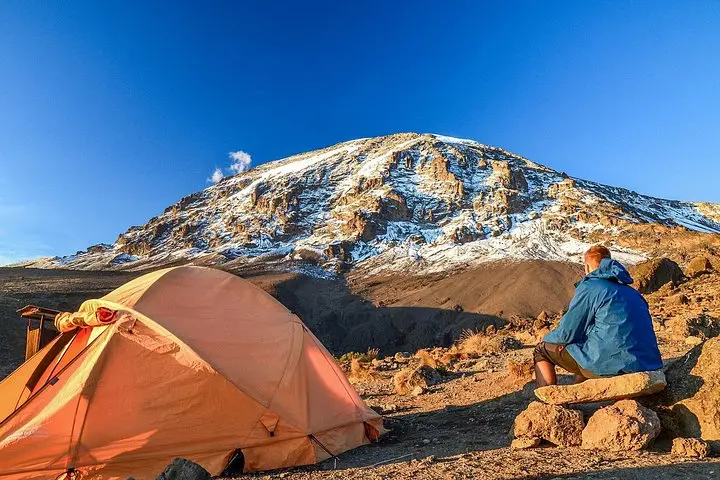
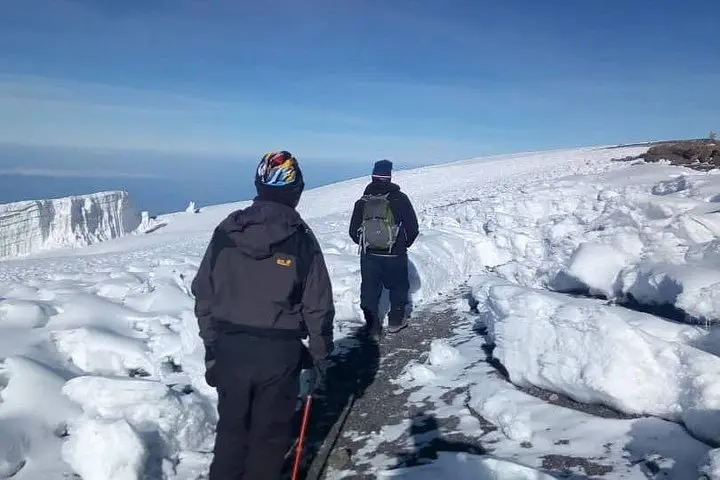
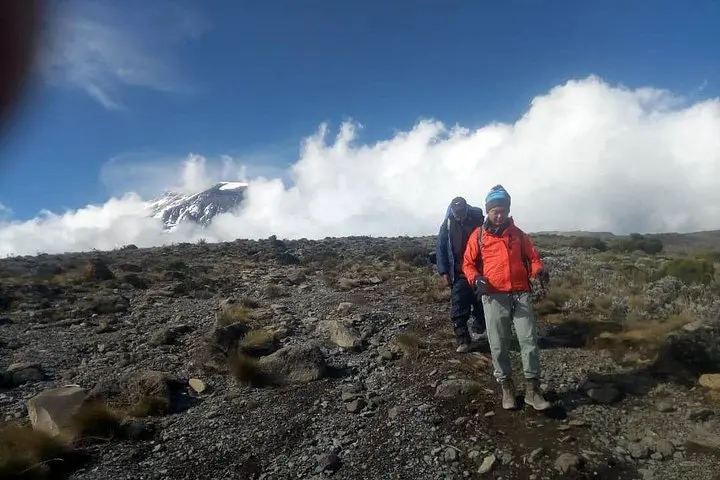
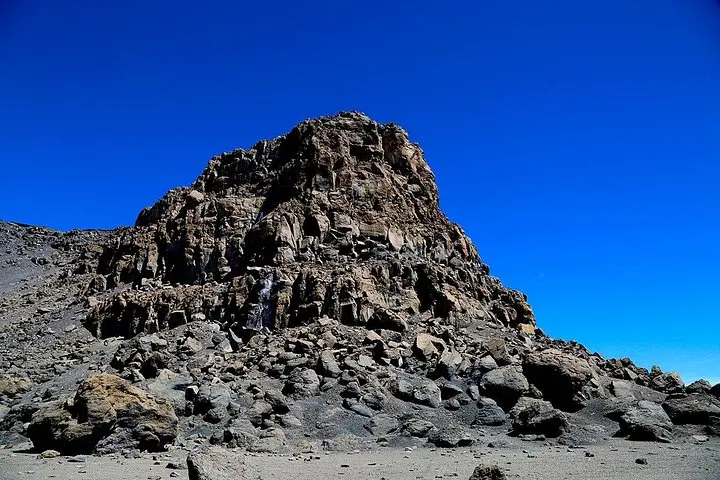
A pre-dawn hush wraps the alpine desert as headlamps stitch a faint line toward the crater rim. You feel the mountain in your boots: volcanic ash underfoot, wind that sharpens each breath, and the slow patient pull of altitude toward Uhuru Peak. The Machame (Whisky) Route starts in rain forest, climbs through moorland and jagged lava flows, and finishes beneath Kibo’s glaciated shoulders.
A pre-dawn hush wraps the alpine desert as headlamps stitch a faint line toward the crater rim. You feel the mountain in your boots: volcanic ash underfoot, wind that sharpens each breath, and the slow patient pull of altitude toward Uhuru Peak. The Machame (Whisky) Route starts in rain forest, climbs through moorland and jagged lava flows, and finishes beneath Kibo’s glaciated shoulders.
The route follows paths first trodden by local guides and porters, and skirts geological transitions—rain forest giving way to heather, then to lobelia-speckled moor and finally to hard-packed volcanic scree. The Chagga people have long-lived ties to Kilimanjaro; their culture and coffee farms frame approaches from Arusha and Moshi. Kilimanjaro’s glaciers are relics of a colder world, retreating visibly over recent decades and shaping conversations about climate at every camp.
Expect varied terrain: slippery roots in the forest, tussock and rock on the Shira Plateau, steep switchbacks like the Barranco Wall, and loose ash on the final push from Barafu to Stella Point. Daily hiking ranges from 4–8 hours, with a critical summit night of 6–10 hours mostly at slow, steady pace.
Practical guidance: prioritize acclimatization (sleeping higher than you climb where possible), bring layered insulation for extreme temperature swings, and use trekking poles on descents. Hydrate steadily—sipping is better than gulping—and follow your guide’s pacing. Porters handle camp logistics; tip fairly. With preparation and respect for altitude, Machame delivers some of Kilimanjaro’s most dramatic scenery and a strong chance of summit success.