THE ADVENTURE COLLECTIVE® · Independent discovery and booking for outdoor travel

Take the classic Marangu route to Uhuru Peak: a 7-day, hut-based ascent that carries you from rainforest to the alpine desert and the roof of Africa. This guide covers what to expect on trail, logistics, and practical tips for summit success.
Take the classic Marangu route to Uhuru Peak: a 7-day, hut-based ascent that carries you from rainforest to the alpine desert and the roof of Africa. This guide covers what to expect on trail, logistics, and practical tips for summit success.
You step off the minivan in Moshi with Kilimanjaro’s southern slopes rising like a slow-moving weather system above town. The Marangu gate opens into moss-draped rainforest; by the time you reach Mandara Hut the forest has swallowed the sounds of the road and replaced them with bird calls and the rustle of colobus monkeys.
Verified experiences and guided adventures in the surrounding area.
Operated by Januz Safaris · Moshi, Kilimanjaro
You step off the minivan in Moshi with Kilimanjaro’s southern slopes rising like a slow-moving weather system above town. The Marangu gate opens into moss-draped rainforest; by the time you reach Mandara Hut the forest has swallowed the sounds of the road and replaced them with bird calls and the rustle of colobus monkeys.
Marangu is the oldest established route on Kilimanjaro, favored for its gradual profile and hut accommodations. Geologically the mountain is a dormant stratovolcano—Kibo, Mawenzi and Shira are the main volcanic cones—and the route moves you from tropical lowland (≈1,800 m) through montane forest to moorland and the alpine desert before the final 1,500 m push to Uhuru Peak (5,895 m).
Locally the Chagga people long managed the lower slopes and guides still share stories of early explorers and mountaineering pioneers. Kilimanjaro National Park is a protected landscape, and visitor numbers are managed to reduce erosion and ecological stress.
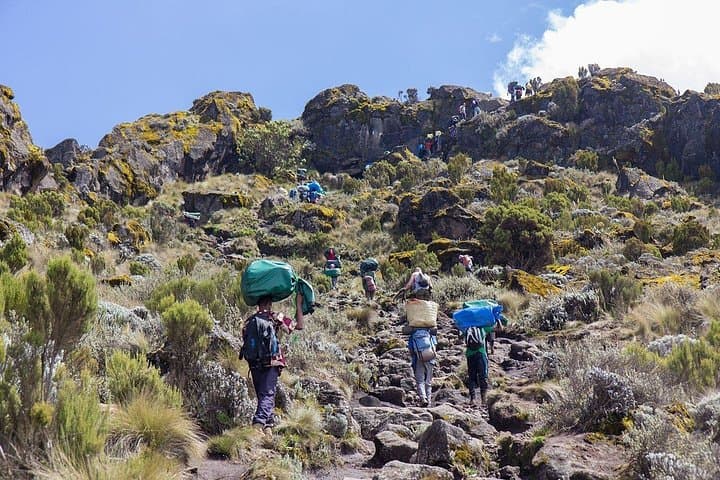
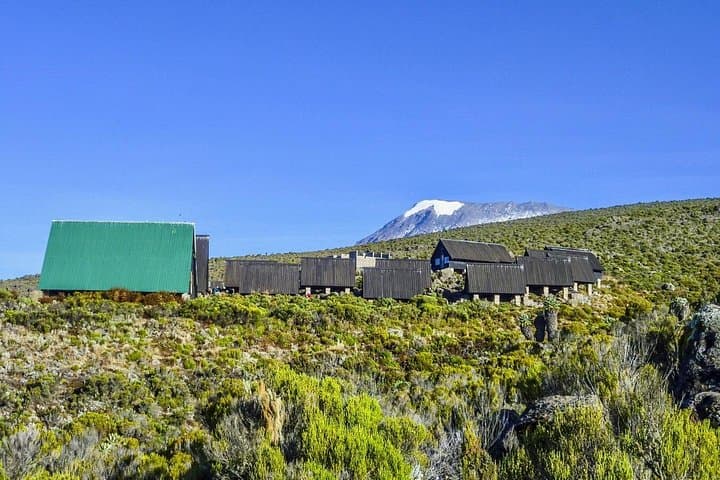
Practically: expect ~60–70 km roundtrip with roughly 4,000 m total elevation gain. Nights in dormitory-style huts, one acclimatization day at Horombo, and a very early summit start are standard. Hydration, slow pacing, warm layers for summit night and reliable boots are non-negotiable. Watch for signs of acute mountain sickness—your guide can turn you back.
If you value structure over camping and want a classic, predictable ascent profile, Marangu delivers a direct line to the rooftop of Africa—earned step by deliberate step.
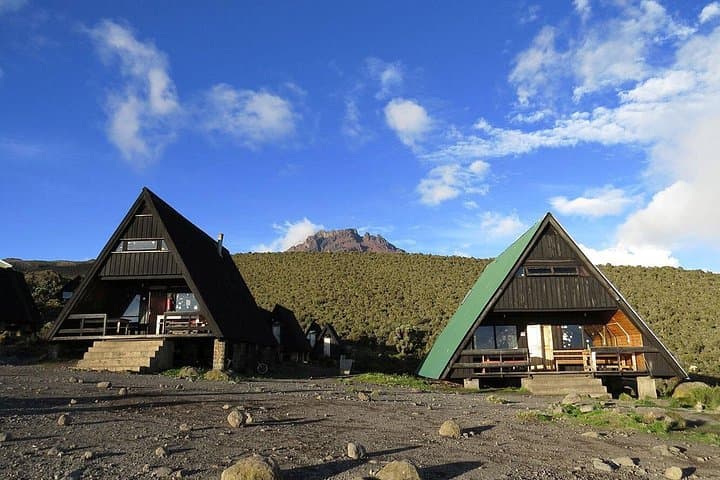
Huts are basic dormitory-style with communal sleeping areas and mattresses; heating is limited—bring a warm sleeping liner.
Altitude affects people differently; proper acclimatization days, hydration, and a conservative hiking pace reduce risk, but symptoms can still occur and descent is the most effective treatment.
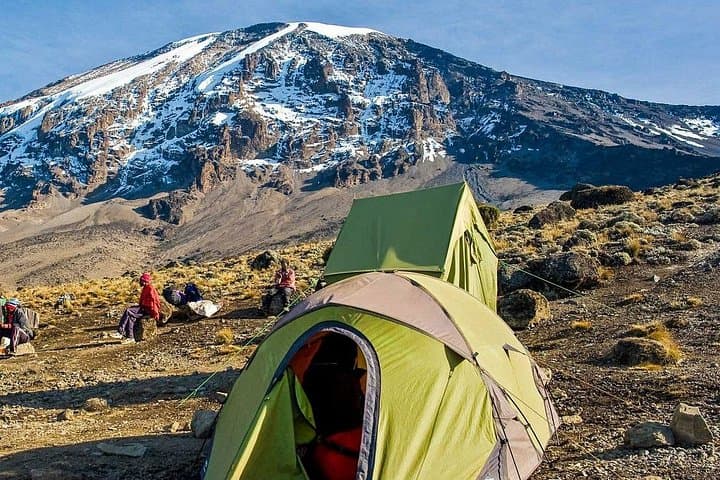
Marangu is known for hut accommodation rather than camping; if you prefer tents, other routes like Machame are better options.
No special vaccinations are mandated for the park, but routine vaccines and malaria precautions for lower-elevation areas are advised; Kilimanjaro National Park fees and rescue insurance are required and typically arranged by your operator.
Januz Safaris operates guided outdoor trips and adventures with an emphasis on safety, stewardship, and memorable experiences.
You step off the minivan in Moshi with Kilimanjaro’s southern slopes rising like a slow-moving weather system above town. The Marangu gate opens into moss-draped rainforest; by the time you reach Mandara Hut the forest has swallowed the sounds of the road and replaced them with bird calls and the rustle of colobus monkeys.
You step off the minivan in Moshi with Kilimanjaro’s southern slopes rising like a slow-moving weather system above town. The Marangu gate opens into moss-draped rainforest; by the time you reach Mandara Hut the forest has swallowed the sounds of the road and replaced them with bird calls and the rustle of colobus monkeys.
Marangu is the oldest established route on Kilimanjaro, favored for its gradual profile and hut accommodations. Geologically the mountain is a dormant stratovolcano—Kibo, Mawenzi and Shira are the main volcanic cones—and the route moves you from tropical lowland (≈1,800 m) through montane forest to moorland and the alpine desert before the final 1,500 m push to Uhuru Peak (5,895 m).
Locally the Chagga people long managed the lower slopes and guides still share stories of early explorers and mountaineering pioneers. Kilimanjaro National Park is a protected landscape, and visitor numbers are managed to reduce erosion and ecological stress.
Practically: expect ~60–70 km roundtrip with roughly 4,000 m total elevation gain. Nights in dormitory-style huts, one acclimatization day at Horombo, and a very early summit start are standard. Hydration, slow pacing, warm layers for summit night and reliable boots are non-negotiable. Watch for signs of acute mountain sickness—your guide can turn you back.
If you value structure over camping and want a classic, predictable ascent profile, Marangu delivers a direct line to the rooftop of Africa—earned step by deliberate step.