THE ADVENTURE COLLECTIVE® · Independent discovery and booking for outdoor travel

From rainforest to Arctic ridgelines, this 7-day Machame/Southern Circuit trek to Uhuru Peak offers dramatic terrain, careful acclimatization and a summit sunrise few forget. Read on for route details and practical advice to prepare for the climb.
From rainforest to Arctic ridgelines, this 7-day Machame/Southern Circuit trek to Uhuru Peak offers dramatic terrain, careful acclimatization and a summit sunrise few forget. Read on for route details and practical advice to prepare for the climb.
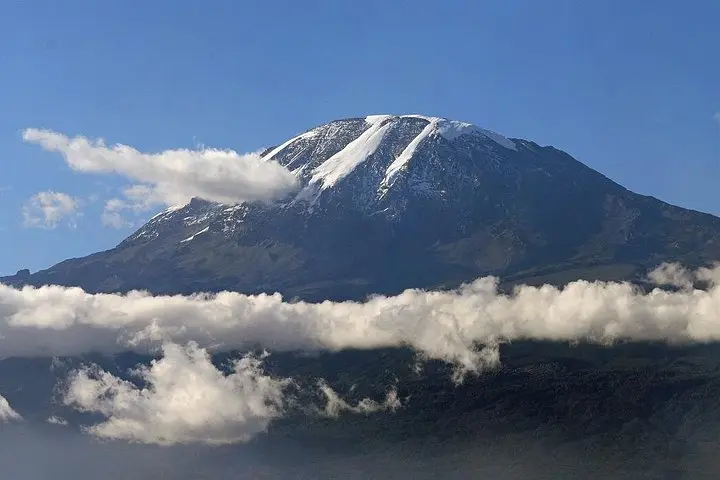
Night on Kilimanjaro feels like a soft bruise — cold, close and humming with the breath of the mountain. You start in the humid green of Machame village, where banana leaves drip and porters move like a practiced current, and seven days later you stand above the clouds watching sunlight spill across Mawenzi as if someone has finally opened a curtain. This is the Machame approach and the Southern Circuit combined: a route that walks you through montane rainforest, heather moor, alpine desert and the thin, arctic air near Uhuru Peak.
Verified experiences and guided adventures in the surrounding area.
Operated by Obrigado Safaris Limited · Moshi, Kilimanjaro Region
Night on Kilimanjaro feels like a soft bruise — cold, close and humming with the breath of the mountain. You start in the humid green of Machame village, where banana leaves drip and porters move like a practiced current, and seven days later you stand above the clouds watching sunlight spill across Mawenzi as if someone has finally opened a curtain. This is the Machame approach and the Southern Circuit combined: a route that walks you through montane rainforest, heather moor, alpine desert and the thin, arctic air near Uhuru Peak.
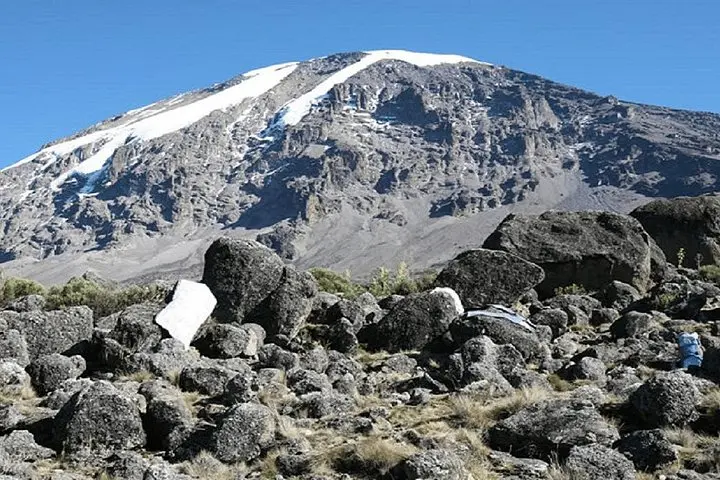
The route is as much a geological story as a physical one. Kilimanjaro is a massif of three volcanic cones — Kibo, Mawenzi and Shira — sculpted by eruptions and then cut by glaciers that are now retreating. You move from the living forest of the lower slopes (home to Chagga farmers and troop-roaming blue monkeys and black-and-white colobus) into a high, skeletal desert where giant senecio stand like weathered guardians and the air grows cold and rare.
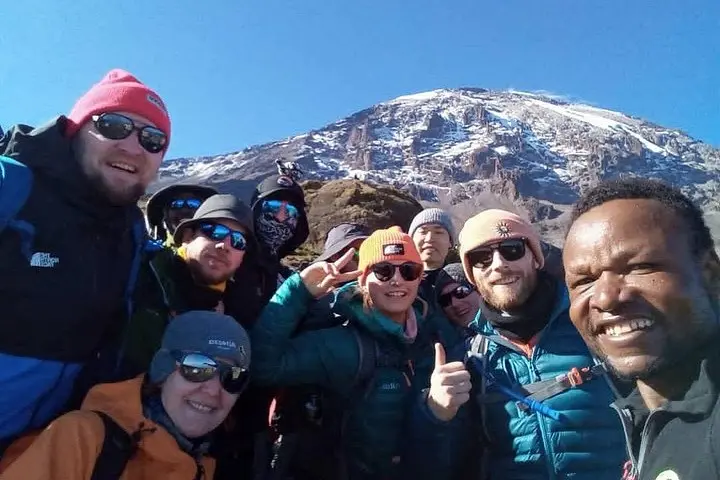
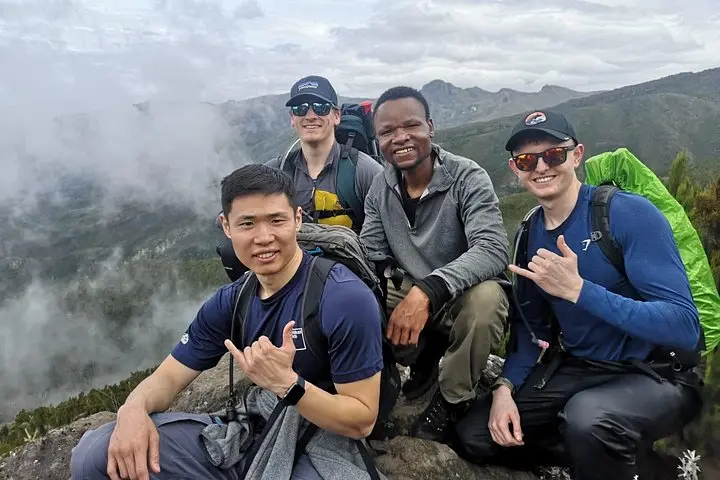
Culturally, the trek begins in Machame village, where the Chagga people have farmed these slopes for generations, terracing them for bananas and coffee. Guides and porters — often from local communities — are part of the experience; their knowledge of trails and weather is essential. The operator provides tents, mattresses, three meals a day, and three liters of water daily, plus emergency bottled oxygen if needed.
Practically, expect steady climbs and a few strenuous pushes. Day 1 climbs from roughly 1,800 m to 3,000 m over 11 km through rainforest. By Day 3 you’ll reach Lava Tower at 4,600 m, an intentional high point for acclimatization before descending to Barranco Camp. The summit push begins around midnight from Barafu Camp (4,600 m) with a 7–8 hour ascent to Uhuru Peak at 5,895 m; descending to Mweka can take another 4–6 hours. Terrain varies: muddy forest tracks, rocky ridgelines, scree and compacted snow near the top. Trekking poles and a steady walking rhythm matter more than speed.
Acclimatization is the single biggest factor for success. The itinerary’s ups and downs — especially the day to Lava Tower — are designed to move you up and down to help your body adapt. Be prepared for biting winds above 4,500 m, cold summit temperatures, and wet lower slopes on the descent. Leave no trace, tip porters fairly, and respect local customs in Machame and Moshi. When the sun finally hits the summit rim at sunrise, you’ll understand why people risk the cold: the mountain does not give views easily, but when it does, it makes them count.
It’s challenging—long days, large elevation gains and a summit push at high altitude. Good fitness and proper acclimatization increase success rates.
Acute Mountain Sickness is possible above 3,000 m; the itinerary includes acclimatization days (e.g., Lava Tower) and guides carry emergency oxygen and will advise descent if symptoms appear.
No technical climbing skills are required. Depending on conditions, microspikes may be helpful near the summit, but most parties summit in sturdy boots and warm gear.
Yes—local guides, cooks and porters are included; they manage camp setup, meals and logistics. Tipping is customary at the end of the trek.
The driest windows are late June–October and late December–February. March–May sees long rains, which make trails slippery and views limited.
Climbing Kilimanjaro requires park entry fees and a mandatory guide; reputable operators handle permits and include fees in pricing.
Obrigado Safaris Limited operates guided outdoor trips and adventures with an emphasis on safety, stewardship, and memorable experiences.
Night on Kilimanjaro feels like a soft bruise — cold, close and humming with the breath of the mountain. You start in the humid green of Machame village, where banana leaves drip and porters move like a practiced current, and seven days later you stand above the clouds watching sunlight spill across Mawenzi as if someone has finally opened a curtain. This is the Machame approach and the Southern Circuit combined: a route that walks you through montane rainforest, heather moor, alpine desert and the thin, arctic air near Uhuru Peak.
Night on Kilimanjaro feels like a soft bruise — cold, close and humming with the breath of the mountain. You start in the humid green of Machame village, where banana leaves drip and porters move like a practiced current, and seven days later you stand above the clouds watching sunlight spill across Mawenzi as if someone has finally opened a curtain. This is the Machame approach and the Southern Circuit combined: a route that walks you through montane rainforest, heather moor, alpine desert and the thin, arctic air near Uhuru Peak.
The route is as much a geological story as a physical one. Kilimanjaro is a massif of three volcanic cones — Kibo, Mawenzi and Shira — sculpted by eruptions and then cut by glaciers that are now retreating. You move from the living forest of the lower slopes (home to Chagga farmers and troop-roaming blue monkeys and black-and-white colobus) into a high, skeletal desert where giant senecio stand like weathered guardians and the air grows cold and rare.
Culturally, the trek begins in Machame village, where the Chagga people have farmed these slopes for generations, terracing them for bananas and coffee. Guides and porters — often from local communities — are part of the experience; their knowledge of trails and weather is essential. The operator provides tents, mattresses, three meals a day, and three liters of water daily, plus emergency bottled oxygen if needed.
Practically, expect steady climbs and a few strenuous pushes. Day 1 climbs from roughly 1,800 m to 3,000 m over 11 km through rainforest. By Day 3 you’ll reach Lava Tower at 4,600 m, an intentional high point for acclimatization before descending to Barranco Camp. The summit push begins around midnight from Barafu Camp (4,600 m) with a 7–8 hour ascent to Uhuru Peak at 5,895 m; descending to Mweka can take another 4–6 hours. Terrain varies: muddy forest tracks, rocky ridgelines, scree and compacted snow near the top. Trekking poles and a steady walking rhythm matter more than speed.
Acclimatization is the single biggest factor for success. The itinerary’s ups and downs — especially the day to Lava Tower — are designed to move you up and down to help your body adapt. Be prepared for biting winds above 4,500 m, cold summit temperatures, and wet lower slopes on the descent. Leave no trace, tip porters fairly, and respect local customs in Machame and Moshi. When the sun finally hits the summit rim at sunrise, you’ll understand why people risk the cold: the mountain does not give views easily, but when it does, it makes them count.