THE ADVENTURE COLLECTIVE® · Independent discovery and booking for outdoor travel

Trek the Machame Route in seven days to stand on Uhuru Peak, the Roof of Africa. This route combines rich rainforest, high alpine desert, strategic acclimatization at Lava Tower, and a dramatic summit push—ideal for trekkers who want challenge and scenery in one package.
Trek the Machame Route in seven days to stand on Uhuru Peak, the Roof of Africa. This route combines rich rainforest, high alpine desert, strategic acclimatization at Lava Tower, and a dramatic summit push—ideal for trekkers who want challenge and scenery in one package.
Night at Keys Hotel in Moshi feels like the calm before a deliberate uprooting. Guides check kit lists under yellow light, porters rearrange supplies into neat bundles, and beyond the town the mountain waits—quiet, enormous, weathering time in layers you can read like a map. On the Machame Route, the climb unfolds as a sequence of landscapes: rainforest that clutches at your ankles, heath and moor that open into an otherworldly alpine desert, and finally, a knife-edge of crater rim that leads to Uhuru Peak at 5,895 m.
Verified experiences and guided adventures in the surrounding area.
Operated by Kilimanjaro Heroes Adventures · Moshi, Kilimanjaro Region
Night at Keys Hotel in Moshi feels like the calm before a deliberate uprooting. Guides check kit lists under yellow light, porters rearrange supplies into neat bundles, and beyond the town the mountain waits—quiet, enormous, weathering time in layers you can read like a map. On the Machame Route, the climb unfolds as a sequence of landscapes: rainforest that clutches at your ankles, heath and moor that open into an otherworldly alpine desert, and finally, a knife-edge of crater rim that leads to Uhuru Peak at 5,895 m.
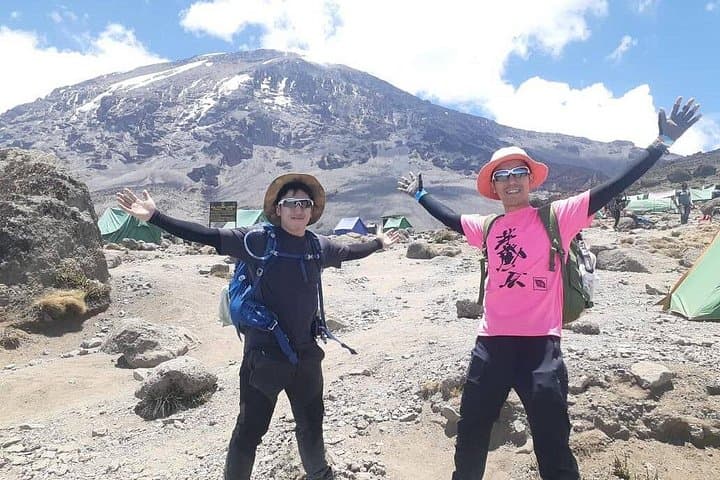
The Machame path is known among Tanzanian routes for its dramatic campsites—Machame Camp at roughly 3,010 m, the Shira Plateau at about 3,845 m, Lava Tower near 4,640 m for crucial acclimatization, Barranco Camp tucked under the famous Barranco Wall (3,960 m), and the exposed Barafu Camp (4,640 m) from which the midnight summit push begins. The itinerary follows a classic acclimatization profile: climb high, sleep low, then ascend again. “Pole pole” — Swahili for slowly — becomes the rhythm, the mantra the mountain enforces.
Geologically, Kilimanjaro is a dormant stratovolcano with three volcanic cones; the walk from Shira to Kibo traces ancient lava flows and ash fields that tell the story of eruptions spanning hundreds of thousands of years. Culturally, the Chagga people who live on the lower slopes maintain coffee farms and wooden-carved traditions in Moshi; village visits and the ceremonial send-off at Mweka Gate are gentle reminders that the mountain intersects lives beyond the summit.
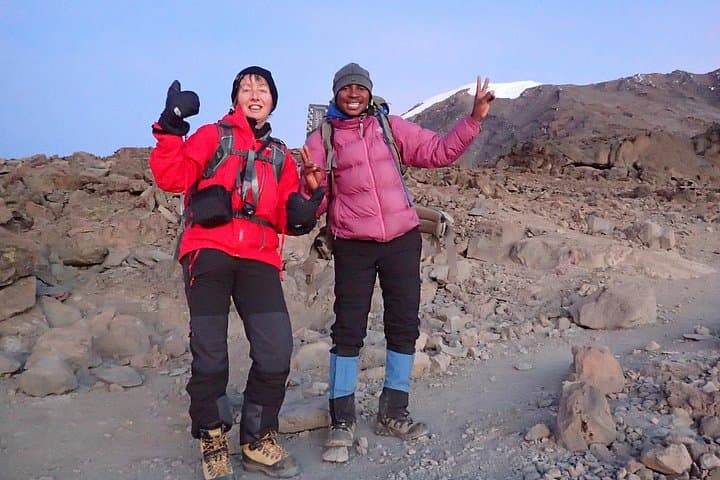
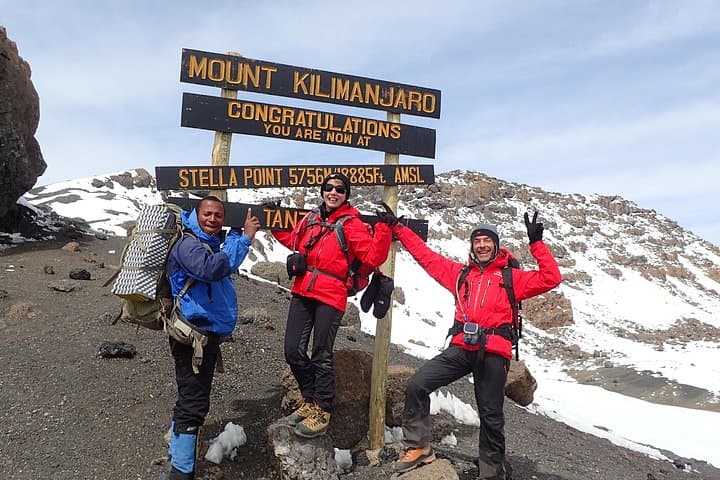
Practicalities matter. Daily walks are typically 5–7 hours; elevation gain is steep on several days—expect full days at 700–1,200 m of ascent or descent. Altitude, not distance, is the main challenge: symptoms can appear suddenly, so hydration, gradual pace, and honest communication with guides are non-negotiable. Summit night from Barafu is a long, cold push of 5–7 hours to Stella Point and another 1–2 hours to Uhuru; layers, a good headlamp, and high-calorie snacks keep you moving.
Logistics are straightforward: pickup from Kilimanjaro International Airport (JRO), nights in Moshi before and after the trek, and full-board camp meals on the mountain. Tipping culture supports porters and cooks—bring local currency. Permits and park fees are included by reputable operators, but confirm what’s covered before booking.
For the motivated trekker, Machame is an elegant blend of technical challenge and raw scenery. It asks for steady legs, humility at altitude, and a willingness to trade speed for the slow, unforgettable work of getting that view from the Roof of Africa.
No formal experience is required, but prior multi-day trekking and fitness training improve success and safety; the route requires good aerobic fitness and acclimatization.
The best windows are the dry seasons—January–March and June–October—when trails are firmer and summit chances are higher.
Most operators include park permits and camping fees; confirm inclusions before booking and carry ID for registration.
Temperatures at Uhuru Peak can drop to -10°C or colder with wind chill—bring high-quality insulation and windproof layers.
Guides monitor symptoms closely; descent is the primary treatment and operators should facilitate descent and medical care if needed.
Tipping isn’t mandatory but is customary for porters, cooks, and guides; plan to budget for group gratuities at the end of the trek.
Kilimanjaro Heroes Adventures operates guided outdoor trips and adventures with an emphasis on safety, stewardship, and memorable experiences.

Night at Keys Hotel in Moshi feels like the calm before a deliberate uprooting. Guides check kit lists under yellow light, porters rearrange supplies into neat bundles, and beyond the town the mountain waits—quiet, enormous, weathering time in layers you can read like a map. On the Machame Route, the climb unfolds as a sequence of landscapes: rainforest that clutches at your ankles, heath and moor that open into an otherworldly alpine desert, and finally, a knife-edge of crater rim that leads to Uhuru Peak at 5,895 m.
Night at Keys Hotel in Moshi feels like the calm before a deliberate uprooting. Guides check kit lists under yellow light, porters rearrange supplies into neat bundles, and beyond the town the mountain waits—quiet, enormous, weathering time in layers you can read like a map. On the Machame Route, the climb unfolds as a sequence of landscapes: rainforest that clutches at your ankles, heath and moor that open into an otherworldly alpine desert, and finally, a knife-edge of crater rim that leads to Uhuru Peak at 5,895 m.
The Machame path is known among Tanzanian routes for its dramatic campsites—Machame Camp at roughly 3,010 m, the Shira Plateau at about 3,845 m, Lava Tower near 4,640 m for crucial acclimatization, Barranco Camp tucked under the famous Barranco Wall (3,960 m), and the exposed Barafu Camp (4,640 m) from which the midnight summit push begins. The itinerary follows a classic acclimatization profile: climb high, sleep low, then ascend again. “Pole pole” — Swahili for slowly — becomes the rhythm, the mantra the mountain enforces.
Geologically, Kilimanjaro is a dormant stratovolcano with three volcanic cones; the walk from Shira to Kibo traces ancient lava flows and ash fields that tell the story of eruptions spanning hundreds of thousands of years. Culturally, the Chagga people who live on the lower slopes maintain coffee farms and wooden-carved traditions in Moshi; village visits and the ceremonial send-off at Mweka Gate are gentle reminders that the mountain intersects lives beyond the summit.
Practicalities matter. Daily walks are typically 5–7 hours; elevation gain is steep on several days—expect full days at 700–1,200 m of ascent or descent. Altitude, not distance, is the main challenge: symptoms can appear suddenly, so hydration, gradual pace, and honest communication with guides are non-negotiable. Summit night from Barafu is a long, cold push of 5–7 hours to Stella Point and another 1–2 hours to Uhuru; layers, a good headlamp, and high-calorie snacks keep you moving.
Logistics are straightforward: pickup from Kilimanjaro International Airport (JRO), nights in Moshi before and after the trek, and full-board camp meals on the mountain. Tipping culture supports porters and cooks—bring local currency. Permits and park fees are included by reputable operators, but confirm what’s covered before booking.
For the motivated trekker, Machame is an elegant blend of technical challenge and raw scenery. It asks for steady legs, humility at altitude, and a willingness to trade speed for the slow, unforgettable work of getting that view from the Roof of Africa.