THE ADVENTURE COLLECTIVE® · Independent discovery and booking for outdoor travel

Conquer Mount Kilimanjaro over seven days via the Machame Route, moving from rainforest to alpine desert en route to Uhuru Peak. This guide outlines what you’ll see, the history beneath your boots, and practical tips to prepare for summit day.
Conquer Mount Kilimanjaro over seven days via the Machame Route, moving from rainforest to alpine desert en route to Uhuru Peak. This guide outlines what you’ll see, the history beneath your boots, and practical tips to prepare for summit day.
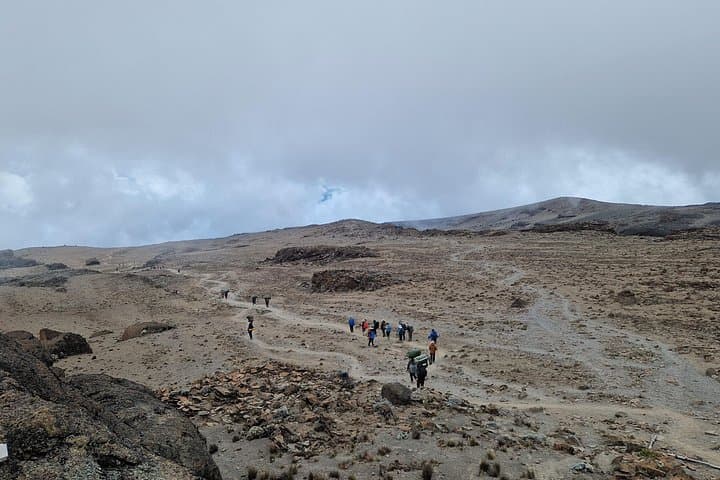
Dawn on the Machame trail feels like a slow reveal: a damp canopy parts, birds trade calls, and the mountain sits ahead—massive, ancient, and quietly demanding. On day one the rainforest envelopes you; by day six the air thins and the summit waits like a pale crown. The route moves through clear ecological bands—montane forest, moorland, alpine desert—each offering a distinct rhythm and a different challenge to the legs and lungs.
Verified experiences and guided adventures in the surrounding area.
Operated by Zungu travel · Moshi, Kilimanjaro Region
Dawn on the Machame trail feels like a slow reveal: a damp canopy parts, birds trade calls, and the mountain sits ahead—massive, ancient, and quietly demanding. On day one the rainforest envelopes you; by day six the air thins and the summit waits like a pale crown. The route moves through clear ecological bands—montane forest, moorland, alpine desert—each offering a distinct rhythm and a different challenge to the legs and lungs.
Kilimanjaro is a dormant stratovolcano built from successive lava flows; Kibo’s ice fields are recent in geological time and are visibly retreating. Local Chagga communities have lived on its slopes for centuries, cultivating coffee and telling stories that anchor expeditions to human history. Guides on the Machame route mix mountaineering know-how with regional knowledge—pointing out giant heathers, volcanic plugs like Lava Tower, and the steep sweep of the Barranco Wall.
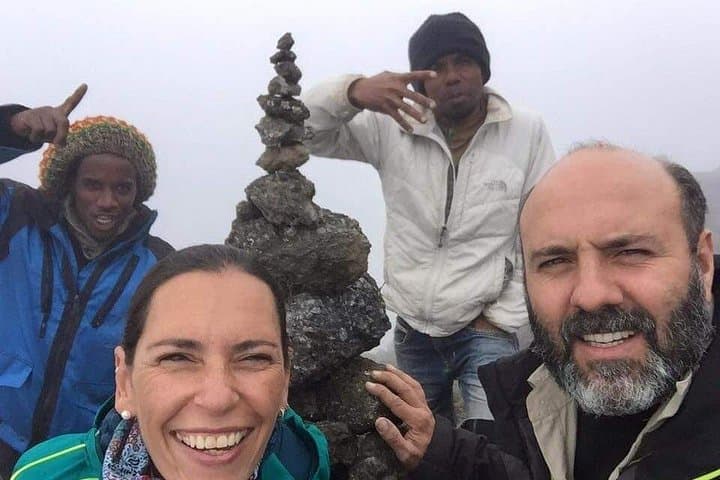
Practical guidance is straightforward: prioritize acclimatization, carry layered clothing for sharp temperature swings, and respect summit timing—pre-dawn starts and slow, steady pacing win here. Hydrate intentionally, eat regularly, and lean on the support crew; porters and cooks make multi-day climbs manageable. Expect long hiking days (4–12 hours), rough rocky sections, and significant elevation gain; summit day is the longest and most demanding. Prepare physically with uphill hikes and altitude exposure where possible, and pack boots, shells, and a solid headlamp. When Uhuru appears at sunrise, the effort resolves into one clear, cold moment of achievement.
The Machame is considered challenging due to steep gains and high altitude; the 7-day itinerary builds acclimatization but still requires good fitness.
Success varies by weather and acclimatization; a well-paced 7-day program typically yields a good summit rate when led by experienced guides, but altitude risk remains.
No technical climbing equipment is needed for the standard Machame route—this is high-altitude trekking rather than technical mountaineering, and guides handle route navigation.
Porters and cooks are provided; they usually carry communal gear and personal porterage is arranged with limits—confirm weight allowances with the operator before travel.
Zungu travel operates guided outdoor trips and adventures with an emphasis on safety, stewardship, and memorable experiences.


Dawn on the Machame trail feels like a slow reveal: a damp canopy parts, birds trade calls, and the mountain sits ahead—massive, ancient, and quietly demanding. On day one the rainforest envelopes you; by day six the air thins and the summit waits like a pale crown. The route moves through clear ecological bands—montane forest, moorland, alpine desert—each offering a distinct rhythm and a different challenge to the legs and lungs.
Dawn on the Machame trail feels like a slow reveal: a damp canopy parts, birds trade calls, and the mountain sits ahead—massive, ancient, and quietly demanding. On day one the rainforest envelopes you; by day six the air thins and the summit waits like a pale crown. The route moves through clear ecological bands—montane forest, moorland, alpine desert—each offering a distinct rhythm and a different challenge to the legs and lungs.
Kilimanjaro is a dormant stratovolcano built from successive lava flows; Kibo’s ice fields are recent in geological time and are visibly retreating. Local Chagga communities have lived on its slopes for centuries, cultivating coffee and telling stories that anchor expeditions to human history. Guides on the Machame route mix mountaineering know-how with regional knowledge—pointing out giant heathers, volcanic plugs like Lava Tower, and the steep sweep of the Barranco Wall.
Practical guidance is straightforward: prioritize acclimatization, carry layered clothing for sharp temperature swings, and respect summit timing—pre-dawn starts and slow, steady pacing win here. Hydrate intentionally, eat regularly, and lean on the support crew; porters and cooks make multi-day climbs manageable. Expect long hiking days (4–12 hours), rough rocky sections, and significant elevation gain; summit day is the longest and most demanding. Prepare physically with uphill hikes and altitude exposure where possible, and pack boots, shells, and a solid headlamp. When Uhuru appears at sunrise, the effort resolves into one clear, cold moment of achievement.