THE ADVENTURE COLLECTIVE® · Independent discovery and booking for outdoor travel

The Umbwe Route is Kilimanjaro’s steep, low-traffic line — a fast, direct climb from rainforest to glacier. This 6–7 day itinerary demands fitness, careful acclimatization and readiness for steep scree and short scrambling sections.
The Umbwe Route is Kilimanjaro’s steep, low-traffic line — a fast, direct climb from rainforest to glacier. This 6–7 day itinerary demands fitness, careful acclimatization and readiness for steep scree and short scrambling sections.
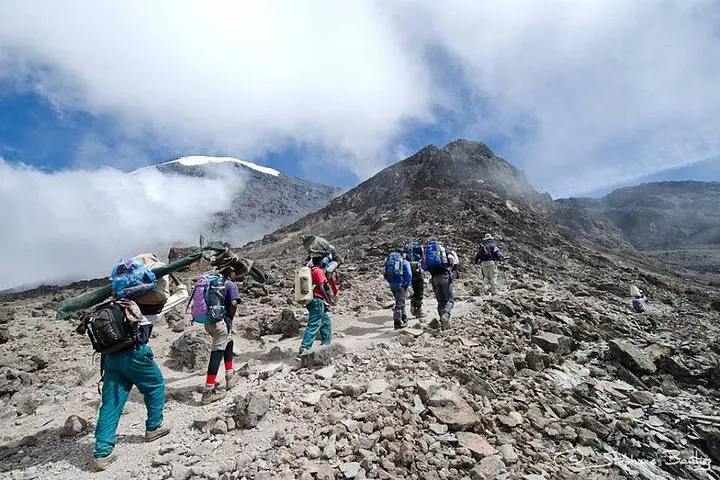
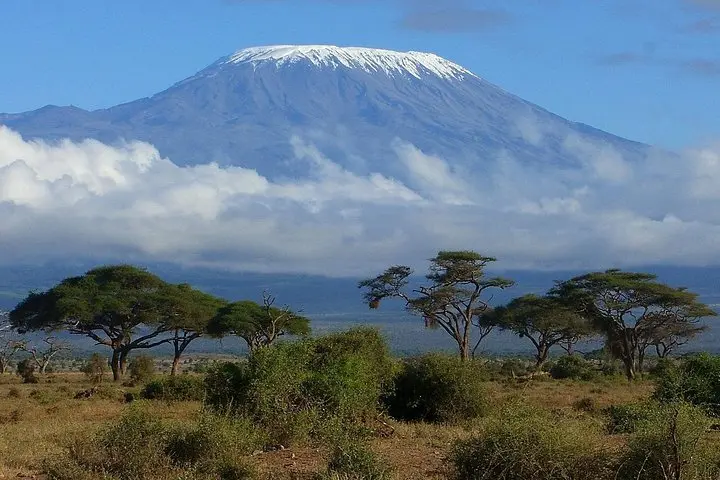
A pre-dawn headlamp beam threads through cold, alpine air as a line of climbers inches up steep scree toward Stella Point. On the Umbwe Route the mountain feels immediate — rainforest falls away fast, the trail tightens into heather and scree, and the summit rises as a looming, snow-capped objective. The approach from Umbwe Gate cuts the southern flank of Kilimanjaro, climbing rapidly from montane forest to the glacier-smudged rim of Kibo.
Verified experiences and guided adventures in the surrounding area.
Operated by Spirit of Kilimanjaro · Moshi, Kilimanjaro Region
A pre-dawn headlamp beam threads through cold, alpine air as a line of climbers inches up steep scree toward Stella Point. On the Umbwe Route the mountain feels immediate — rainforest falls away fast, the trail tightens into heather and scree, and the summit rises as a looming, snow-capped objective. The approach from Umbwe Gate cuts the southern flank of Kilimanjaro, climbing rapidly from montane forest to the glacier-smudged rim of Kibo.
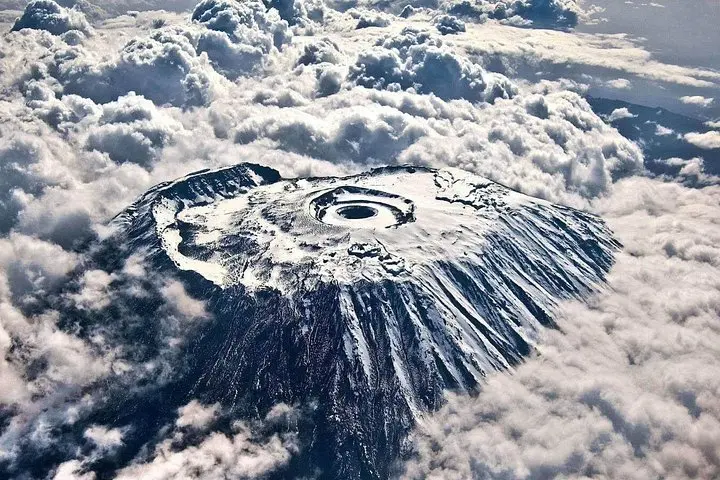
The massif itself is a dormant stratovolcano with three volcanic cones (Kibo, Mawenzi and Shira). Local Chagga communities have long respected the mountain; Kilimanjaro features in regional songs and history as both water source and cultural landmark. Geologically, the route traverses old lava flows, eroded volcanic terraces and the alpine desert that feeds the mountain’s shrinking icefields.
Expect steep, sustained ascents: day one moves from roughly 1,200–2,850 m through rainforest; subsequent days cross moorland and alpine desert before the summit push to 5,895 m. The Western Breach alternative requires short sections of scrambling over an 850 m rise in about 2 km. Camping is standard; guides, porters and cooks handle logistics.
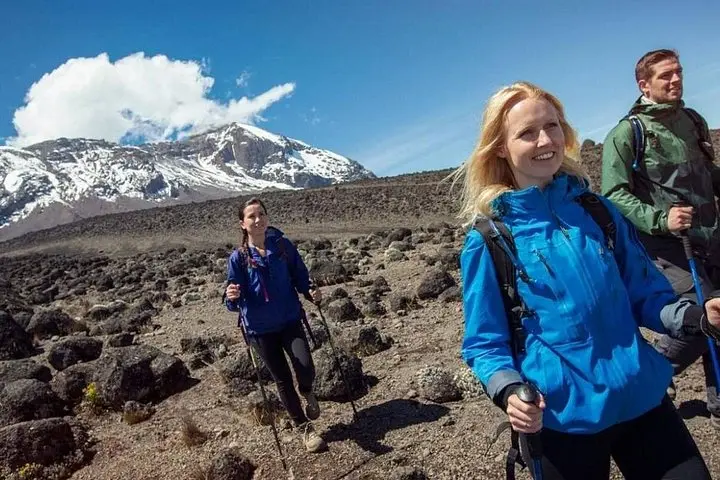
Practically, acclimatization is the deciding factor for success — move slowly, prioritize sleep and hydration, and be honest with guides about symptoms of acute mountain sickness. Bring layered clothing for wide temperature swings, sturdy boots for scree and mixed snow, and plan arrival time in Moshi to allow a rest day before the trek. The Umbwe Route rewards experienced, fit trekkers with dramatic scenery and low traffic but demands respect and careful pacing.
You should have good cardiovascular fitness and experience with multi-day hikes; the route is steeper and less gradual than other routes, so conditioning for sustained uphill and long summit night is important.
No technical ice-climbing gear is needed on the standard Umbwe and Western Breach approaches, though crampons may be used if snow/ice conditions require them; guides will advise based on conditions.
The summit, Uhuru Peak, is 5,895 m (19,341 ft); expect to pass Stella Point at about 5,861 m during the final ascent.
Yes—this itinerary includes professional guides, porters, cooks, and meals (breakfast, lunch and dinner as specified), plus unlimited drinking water provided by the operator.
Spirit of Kilimanjaro operates guided outdoor trips and adventures with an emphasis on safety, stewardship, and memorable experiences.
A pre-dawn headlamp beam threads through cold, alpine air as a line of climbers inches up steep scree toward Stella Point. On the Umbwe Route the mountain feels immediate — rainforest falls away fast, the trail tightens into heather and scree, and the summit rises as a looming, snow-capped objective. The approach from Umbwe Gate cuts the southern flank of Kilimanjaro, climbing rapidly from montane forest to the glacier-smudged rim of Kibo.
A pre-dawn headlamp beam threads through cold, alpine air as a line of climbers inches up steep scree toward Stella Point. On the Umbwe Route the mountain feels immediate — rainforest falls away fast, the trail tightens into heather and scree, and the summit rises as a looming, snow-capped objective. The approach from Umbwe Gate cuts the southern flank of Kilimanjaro, climbing rapidly from montane forest to the glacier-smudged rim of Kibo.
The massif itself is a dormant stratovolcano with three volcanic cones (Kibo, Mawenzi and Shira). Local Chagga communities have long respected the mountain; Kilimanjaro features in regional songs and history as both water source and cultural landmark. Geologically, the route traverses old lava flows, eroded volcanic terraces and the alpine desert that feeds the mountain’s shrinking icefields.
Expect steep, sustained ascents: day one moves from roughly 1,200–2,850 m through rainforest; subsequent days cross moorland and alpine desert before the summit push to 5,895 m. The Western Breach alternative requires short sections of scrambling over an 850 m rise in about 2 km. Camping is standard; guides, porters and cooks handle logistics.
Practically, acclimatization is the deciding factor for success — move slowly, prioritize sleep and hydration, and be honest with guides about symptoms of acute mountain sickness. Bring layered clothing for wide temperature swings, sturdy boots for scree and mixed snow, and plan arrival time in Moshi to allow a rest day before the trek. The Umbwe Route rewards experienced, fit trekkers with dramatic scenery and low traffic but demands respect and careful pacing.