THE ADVENTURE COLLECTIVE® · Independent discovery and booking for outdoor travel

Train your legs and lungs for a seven-day circuit into Langtang Valley, where Himalayan peaks, pine forests and traditional Tamang villages frame a trek that culminates at Kyanjin Gompa and Kyanjin Ri. Practical route info, cultural notes and what to pack for high-altitude guest-house trekking.
Train your legs and lungs for a seven-day circuit into Langtang Valley, where Himalayan peaks, pine forests and traditional Tamang villages frame a trek that culminates at Kyanjin Gompa and Kyanjin Ri. Practical route info, cultural notes and what to pack for high-altitude guest-house trekking.
Morning light pushes across the terraced roofs of Syabrubesi as trekkers load into a shared jeep and the Himalayan air sharpens to a clean, cold edge. Over the next seven days you move north from Kathmandu into Langtang National Park, following a glacially carved valley where rhododendron and pine shade stone paths and rivers dare you to move faster.
Verified experiences and guided adventures in the surrounding area.
Operated by Cordial Trek Pvt. Ltd. · Syabrubesi, Bagmati Province
Morning light pushes across the terraced roofs of Syabrubesi as trekkers load into a shared jeep and the Himalayan air sharpens to a clean, cold edge. Over the next seven days you move north from Kathmandu into Langtang National Park, following a glacially carved valley where rhododendron and pine shade stone paths and rivers dare you to move faster.
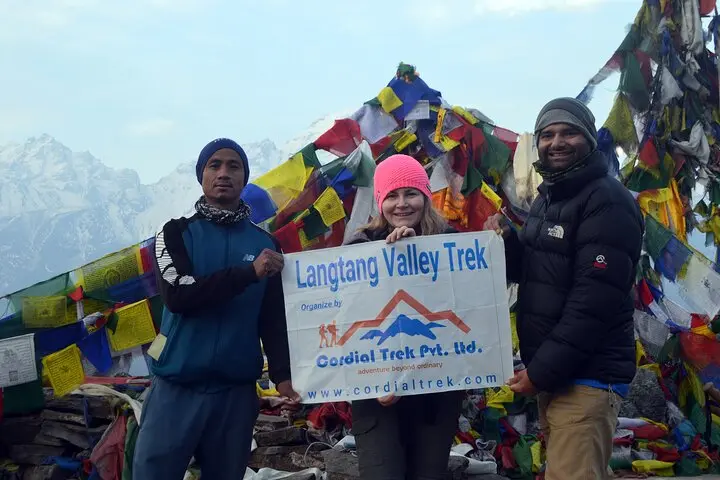
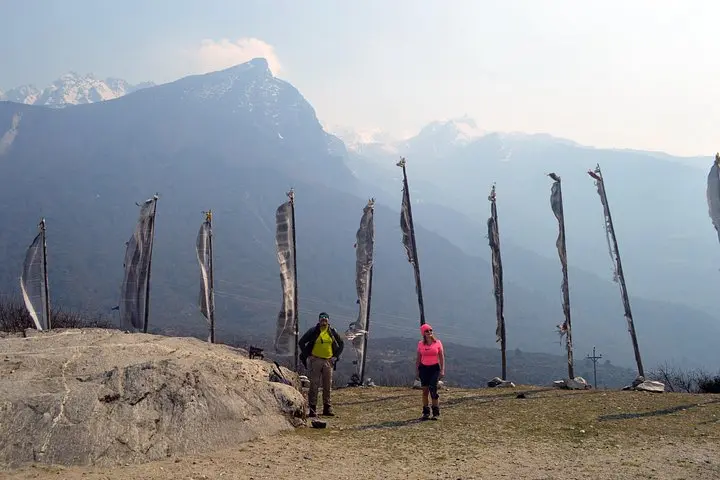
Langtang’s landscape is shaped by ice and tectonics: sweeping moraines, steep valley walls and peaks like Langtang Lirung that watch the trail. The valley borders the Tibetan plateau and carries a strong Tamang and Tibetan cultural imprint—tea houses, prayer flags, and the centuries-old Kyanjin Gompa monastery offer a window into local religion and yak-herding traditions. The village of Langtang was rebuilt after the 2015 earthquake and avalanche; the recovery is part of the valley’s recent history.
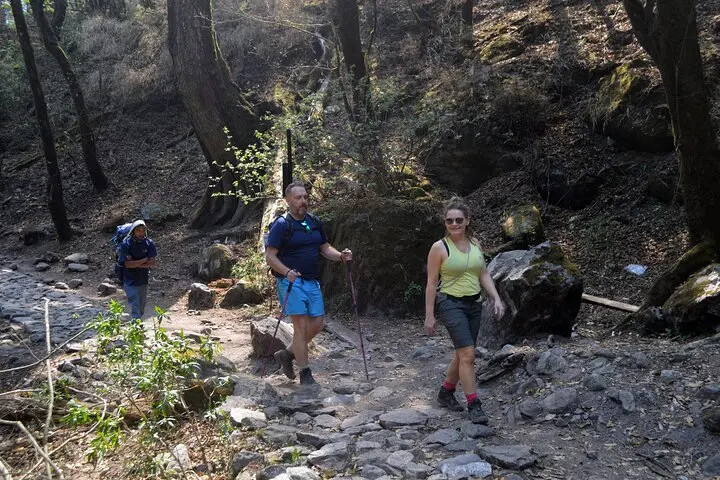
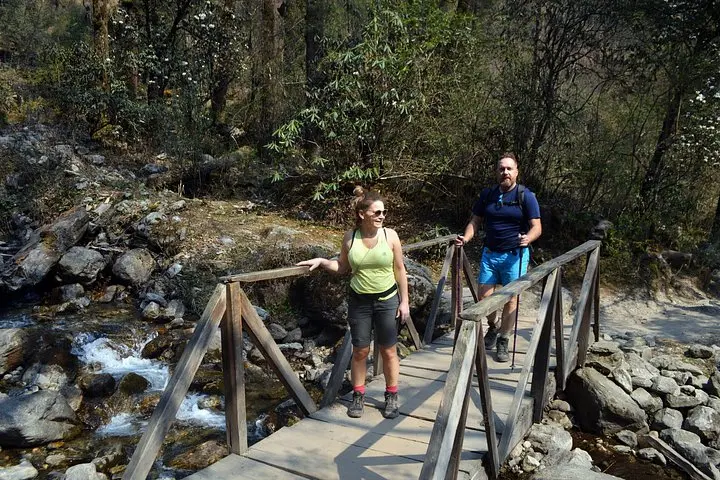
Practical realities are straightforward: daily hikes average 3–6 hours with one acclimatization-style ascent to Kyanjin Ri (4,773 m) for panoramic views. Accommodation is in mountain guest houses; permits (Langtang National Park and TIMS) are required and typically managed by operators. Expect varied trail surfaces—rocky steps, suspension bridges, forest tracks—and rapidly changing weather: sun one hour, snow the next.
Bring layered clothing, break in your boots, and plan for light days to help acclimatize. Cash is useful in villages; potable water can be bought or treated. Avoid the monsoon months; spring and autumn offer the most reliable conditions for clear views and rhododendron bloom. This route suits fit, steady hikers who want high-altitude scenery without technical climbing.
Yes—Langtang National Park permit and a TIMS card are required; reputable operators typically arrange them pre-departure.
The round trip is a steep 3–4 hour scramble to 4,773 m—non-technical but demanding; go slow, use trekking poles and watch for altitude effects.
Simple mountain guest houses and tea houses with basic meals, shared rooms and limited hot water—expect rustic comfort, not hotels.
Autumn (Sept–Nov) and spring (Mar–May) offer the most reliable weather and visibility; avoid monsoon months for safer, drier trails.
Cordial Trek Pvt. Ltd. operates guided outdoor trips and adventures with an emphasis on safety, stewardship, and memorable experiences.
Morning light pushes across the terraced roofs of Syabrubesi as trekkers load into a shared jeep and the Himalayan air sharpens to a clean, cold edge. Over the next seven days you move north from Kathmandu into Langtang National Park, following a glacially carved valley where rhododendron and pine shade stone paths and rivers dare you to move faster.
Morning light pushes across the terraced roofs of Syabrubesi as trekkers load into a shared jeep and the Himalayan air sharpens to a clean, cold edge. Over the next seven days you move north from Kathmandu into Langtang National Park, following a glacially carved valley where rhododendron and pine shade stone paths and rivers dare you to move faster.
Langtang’s landscape is shaped by ice and tectonics: sweeping moraines, steep valley walls and peaks like Langtang Lirung that watch the trail. The valley borders the Tibetan plateau and carries a strong Tamang and Tibetan cultural imprint—tea houses, prayer flags, and the centuries-old Kyanjin Gompa monastery offer a window into local religion and yak-herding traditions. The village of Langtang was rebuilt after the 2015 earthquake and avalanche; the recovery is part of the valley’s recent history.
Practical realities are straightforward: daily hikes average 3–6 hours with one acclimatization-style ascent to Kyanjin Ri (4,773 m) for panoramic views. Accommodation is in mountain guest houses; permits (Langtang National Park and TIMS) are required and typically managed by operators. Expect varied trail surfaces—rocky steps, suspension bridges, forest tracks—and rapidly changing weather: sun one hour, snow the next.
Bring layered clothing, break in your boots, and plan for light days to help acclimatize. Cash is useful in villages; potable water can be bought or treated. Avoid the monsoon months; spring and autumn offer the most reliable conditions for clear views and rhododendron bloom. This route suits fit, steady hikers who want high-altitude scenery without technical climbing.