
7-Day Langtang Valley Trek from Kathmandu — Kyanjin Gompa, Tserko Ri & Langtang Glacier
A seven-day guided circuit from Kathmandu to Kyanjin Gompa that threads Langtang National Park — glacier views, Tamang villages, and a summit option to Tserko Ri. Practical for trekkers with steady fitness and a taste for high-alpine vistas.
An Adventure In Kathmandu.
A seven-day guided circuit from Kathmandu to Kyanjin Gompa that threads Langtang National Park — glacier views, Tamang villages, and a summit option to Tserko Ri. Practical for trekkers with steady fitness and a taste for high-alpine vistas.
Read the full experience
The first light over the Trishuli River peels the dark from terraced fields as your coach threads Prithvi Highway toward Syabrubesi. By mid-afternoon the valley narrows, the river daring you forward beneath suspension bridges and rhododendron canopies; higher still, the air thins and the peaks of the Langtang range sharpen like knives.
The first light over the Trishuli River peels the dark from terraced fields as your coach threads Prithvi Highway toward Syabrubesi. By mid-afternoon the valley narrows, the river daring you forward beneath suspension bridges and rhododendron canopies; higher still, the air thins and the peaks of the Langtang range sharpen like knives.
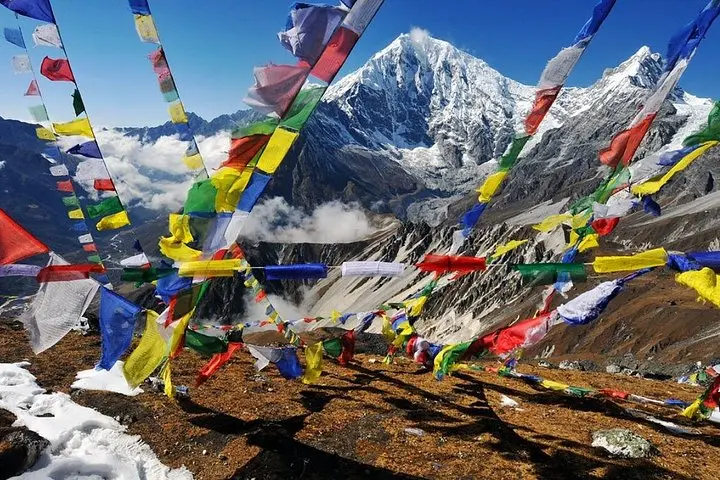
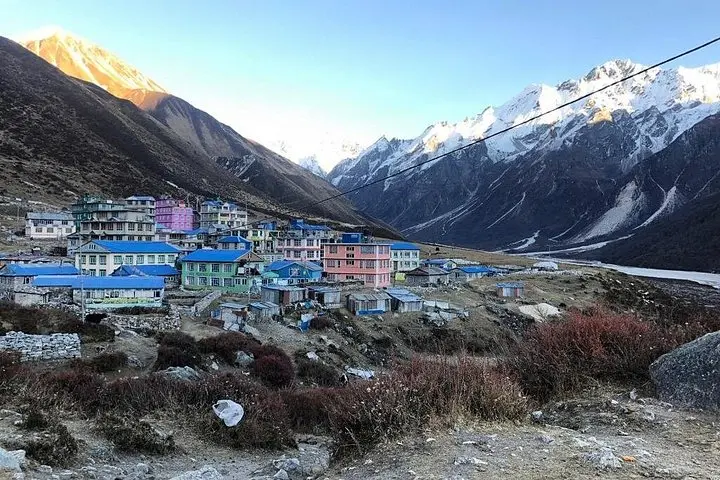
Langtang’s geology is raw: glacially carved U-shaped valleys, moraines and active glaciers such as the Langtang Glacier that sculpt the skyline. The human history is equally visible — Tamang villages with flat-roofed Tibetan-style houses, prayer wheels turning in slow insistence, and monastery life at Kyanjin Gompa. Local culture centers on yak pastures, a government cheese factory in Kyanjin, and a tea-house network that makes multi-day trekking accessible without camping.
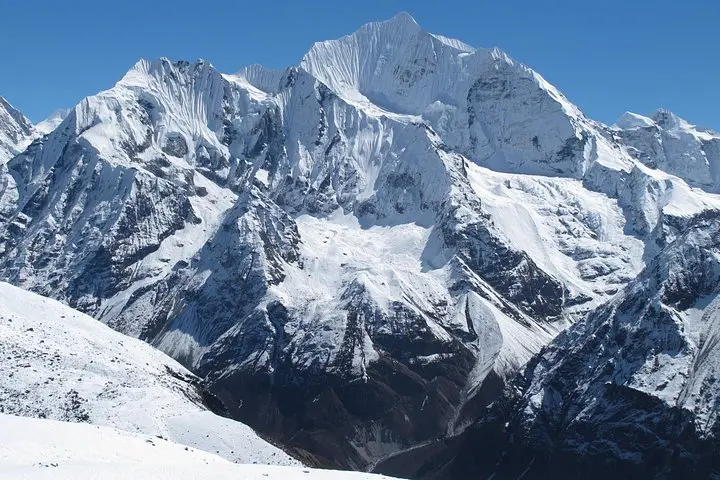
Expect forested ascents through rhododendron and oak, wide yak meadows, and viewpoints like Tserko Ri that reward a stiff climb with panoramas of Langtang Lirung. Wildlife is shy but present: keep an eye for langur monkeys on forest edges and, with luck and silence, the red panda higher in old-growth stands.
Practically: this private, guided seven-day route requires steady fitness and basic altitude awareness; permits and park fees are handled, and local guides and porters are standard. Pack layered clothing for rapid temperature swings, waterproof footwear for muddy or snowy steps depending on season, and cash for tea-house purchases. Plan for 5–6 hours’ trekking on main days, slower at altitude. Respect local customs, minimize waste, and allow extra time for acclimatization — the mountains will reward patience.
Frequently asked questions
Yes — a Langtang National Park entry and a TIMS/trekker permit are required; many operators include these in the package.
The route is non-technical but reaches nearly 3,800–4,700 m if you attempt Kyanjin Ri/Tserko Ri; altitude awareness and gradual pacing are essential.
Yes — the trek uses tea houses/guesthouses with basic lodging and meals; expect simple rooms, shared bathrooms and hot soups and dumplings.
You can trek most of the year, but monsoon (June–August) brings heavy rain and slippery trails, while winter requires snow gear and good insulation.
About This Experience
Treklanders Adventures operates guided outdoor trips and adventures with an emphasis on safety, stewardship, and memorable experiences.
Adventure tips
Recommended gear
- Waterproof hiking boots: Support and waterproofing for mixed terrain, stream crossings and variable weather.
- Insulated down or synthetic jacket: Warmth at high camps and cold mornings above 3,000 m.
- Trekking poles: Reduce strain on knees during long descents and provide stability on uneven trail.
- Headlamp with spare batteries: Useful for early starts, tea-house dorms and unpredictable evenings on the trail.
Photos of the experience
Related adventures & guides
Read the full experience
The first light over the Trishuli River peels the dark from terraced fields as your coach threads Prithvi Highway toward Syabrubesi. By mid-afternoon the valley narrows, the river daring you forward beneath suspension bridges and rhododendron canopies; higher still, the air thins and the peaks of the Langtang range sharpen like knives.
The first light over the Trishuli River peels the dark from terraced fields as your coach threads Prithvi Highway toward Syabrubesi. By mid-afternoon the valley narrows, the river daring you forward beneath suspension bridges and rhododendron canopies; higher still, the air thins and the peaks of the Langtang range sharpen like knives.
Langtang’s geology is raw: glacially carved U-shaped valleys, moraines and active glaciers such as the Langtang Glacier that sculpt the skyline. The human history is equally visible — Tamang villages with flat-roofed Tibetan-style houses, prayer wheels turning in slow insistence, and monastery life at Kyanjin Gompa. Local culture centers on yak pastures, a government cheese factory in Kyanjin, and a tea-house network that makes multi-day trekking accessible without camping.
Expect forested ascents through rhododendron and oak, wide yak meadows, and viewpoints like Tserko Ri that reward a stiff climb with panoramas of Langtang Lirung. Wildlife is shy but present: keep an eye for langur monkeys on forest edges and, with luck and silence, the red panda higher in old-growth stands.
Practically: this private, guided seven-day route requires steady fitness and basic altitude awareness; permits and park fees are handled, and local guides and porters are standard. Pack layered clothing for rapid temperature swings, waterproof footwear for muddy or snowy steps depending on season, and cash for tea-house purchases. Plan for 5–6 hours’ trekking on main days, slower at altitude. Respect local customs, minimize waste, and allow extra time for acclimatization — the mountains will reward patience.
Make a day of it nearby.
Verified experiences and guided adventures in the surrounding area.