THE ADVENTURE COLLECTIVE® · Independent discovery and booking for outdoor travel

Follow a classic seven-day route from Kathmandu into Langtang National Park, moving from oak forests to high yak pastures and panoramic glacier viewpoints at Kyanjin Ri. Expect 4–6 hour walking days, guest-house stays, and strong cultural ties to Tamang and Tibetan life.
Follow a classic seven-day route from Kathmandu into Langtang National Park, moving from oak forests to high yak pastures and panoramic glacier viewpoints at Kyanjin Ri. Expect 4–6 hour walking days, guest-house stays, and strong cultural ties to Tamang and Tibetan life.
A cold river grumbles below as your jeep leaves Kathmandu’s dust and climbs into green hills. By the time you step onto the trail at Syabrubesi the valley tightens: suspension bridges arch over foaming streams, rhododendron and oak close in, and Langtang Lirung peeks through the trees like a patient giant.
Verified experiences and guided adventures in the surrounding area.
Operated by CAN Travels · Syabrubesi, Bagmati Province
A cold river grumbles below as your jeep leaves Kathmandu’s dust and climbs into green hills. By the time you step onto the trail at Syabrubesi the valley tightens: suspension bridges arch over foaming streams, rhododendron and oak close in, and Langtang Lirung peeks through the trees like a patient giant.
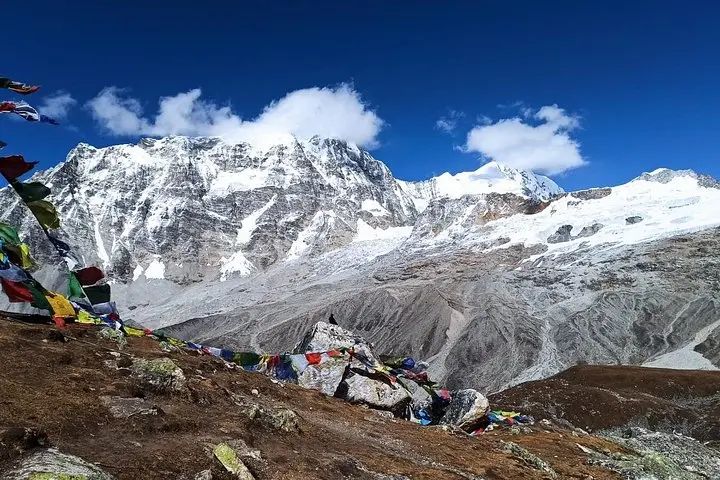
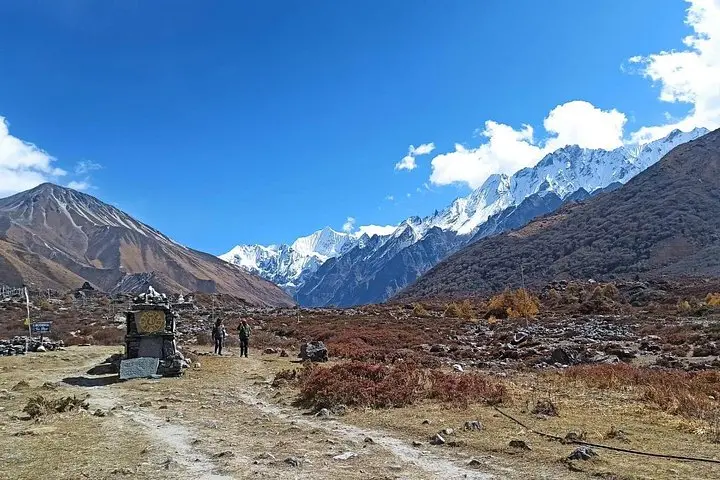
This seven-day route moves from warm subtropical forest into high alpine pastures, gaining roughly 2,300 m from Syabrubesi to Kyanjin Gompa (about 3,800 m). The valley has long been a cultural corridor between Kathmandu and Tibetan plateaux; monasteries, prayer flags and small yak pastures reflect Tamang and Tibetan influences. Geologically the Langtang Valley funnels glacial runoff and moraine fields carved by Langtang Lirung and its satellites, so expect steep gullies, rocky trail sections and wide glacier views near Kyanjin.
Days are typically 4–6 hours of walking on uneven dirt and stone steps with short steep pitches to high pastures. Kyanjin Ri (around 4,700–4,800 m) is an optional summit for panoramic views over the range and the glacier faces.
Practical guidance: acclimatize slowly, carry water and electrolytes, and pack a warm mid-layer for cold afternoons. Sturdy, waterproof boots and a lightweight rain shell will handle wet forest stretches and sudden weather shifts. Guest houses provide basic meals and dorm-style rooms; bring cash for cheese factory snacks and tips. Start in spring or autumn for the most stable weather and clear mountain vistas.
Yes—the trek requires entry to Langtang National Park and a TIMS/trekking permit; the operator typically arranges these for you.
Kyanjin Ri is steep but non-technical; the hike to ~4,700–4,800 m is short but demanding—allow extra time and be mindful of altitude.
Accommodation is in basic guest houses with shared rooms, hot meals and simple facilities; bring a light sleeping liner for comfort.
Spring (March–May) and autumn (September–November) offer the most stable weather and clear mountain views.
CAN Travels operates guided outdoor trips and adventures with an emphasis on safety, stewardship, and memorable experiences.
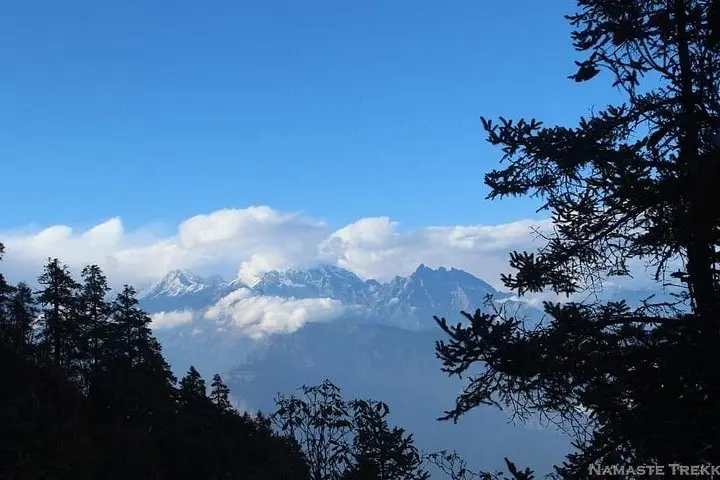
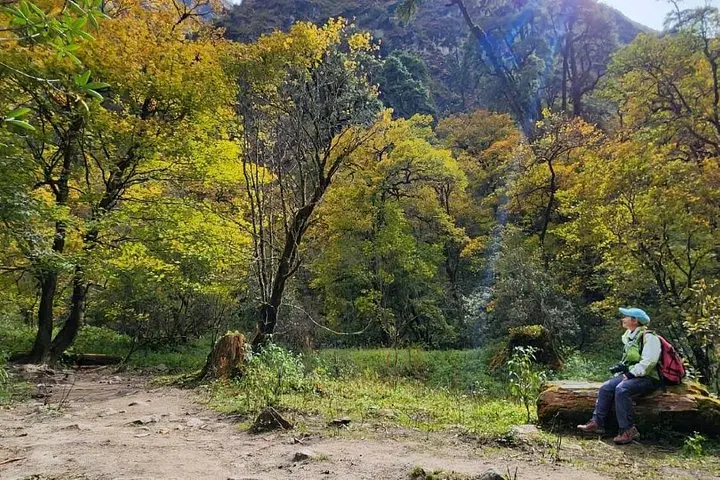
A cold river grumbles below as your jeep leaves Kathmandu’s dust and climbs into green hills. By the time you step onto the trail at Syabrubesi the valley tightens: suspension bridges arch over foaming streams, rhododendron and oak close in, and Langtang Lirung peeks through the trees like a patient giant.
A cold river grumbles below as your jeep leaves Kathmandu’s dust and climbs into green hills. By the time you step onto the trail at Syabrubesi the valley tightens: suspension bridges arch over foaming streams, rhododendron and oak close in, and Langtang Lirung peeks through the trees like a patient giant.
This seven-day route moves from warm subtropical forest into high alpine pastures, gaining roughly 2,300 m from Syabrubesi to Kyanjin Gompa (about 3,800 m). The valley has long been a cultural corridor between Kathmandu and Tibetan plateaux; monasteries, prayer flags and small yak pastures reflect Tamang and Tibetan influences. Geologically the Langtang Valley funnels glacial runoff and moraine fields carved by Langtang Lirung and its satellites, so expect steep gullies, rocky trail sections and wide glacier views near Kyanjin.
Days are typically 4–6 hours of walking on uneven dirt and stone steps with short steep pitches to high pastures. Kyanjin Ri (around 4,700–4,800 m) is an optional summit for panoramic views over the range and the glacier faces.
Practical guidance: acclimatize slowly, carry water and electrolytes, and pack a warm mid-layer for cold afternoons. Sturdy, waterproof boots and a lightweight rain shell will handle wet forest stretches and sudden weather shifts. Guest houses provide basic meals and dorm-style rooms; bring cash for cheese factory snacks and tips. Start in spring or autumn for the most stable weather and clear mountain vistas.