THE ADVENTURE COLLECTIVE® · Independent discovery and booking for outdoor travel

Trace Lebanon’s coast, caves and highland monasteries in a seven-day loop from Beirut. This six‑night package pairs major UNESCO sites like Baalbek with natural highlights such as Jeita Grotto and the Cedars of God.
Trace Lebanon’s coast, caves and highland monasteries in a seven-day loop from Beirut. This six‑night package pairs major UNESCO sites like Baalbek with natural highlights such as Jeita Grotto and the Cedars of God.
You step off the bus outside Beirut and the city exhales — cars, citrus markets and the eastern Mediterranean folding into view. Over six nights you move from salt-scented coastlines to limestone caves, Roman colonnades and the slow, ancient breath of the Cedars.
Verified experiences and guided adventures in the surrounding area.
Operated by Beirut Daily Tours · Beirut, Beirut Governorate
You step off the bus outside Beirut and the city exhales — cars, citrus markets and the eastern Mediterranean folding into view. Over six nights you move from salt-scented coastlines to limestone caves, Roman colonnades and the slow, ancient breath of the Cedars.
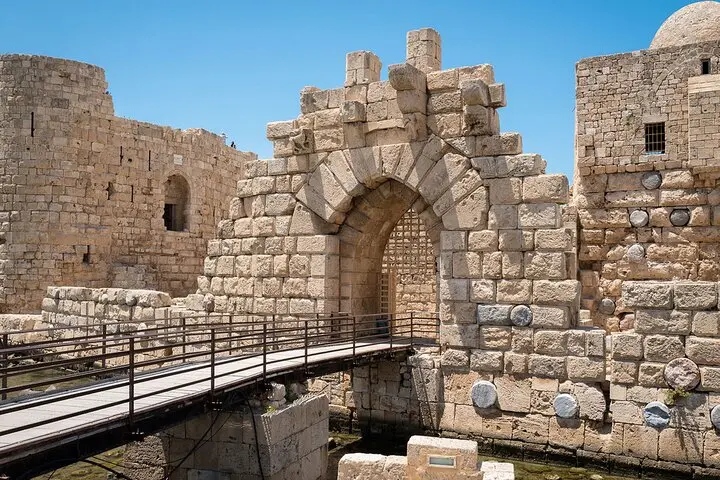
Day two takes you underground at Jeita Grotto, where two linked karst galleries trace millions of years of calcium choreography; the upper cave runs over 2,100 m and the lower river gallery flows under a vaulted ceiling. Along the coast, Jounieh’s Telepherique climbs 650 m to Harissa, a panoramic stage overlooking the Bay of Jounieh. Byblos lays out Phoenician and Crusader layers — an ancient port, a souk and a compact castle keep.
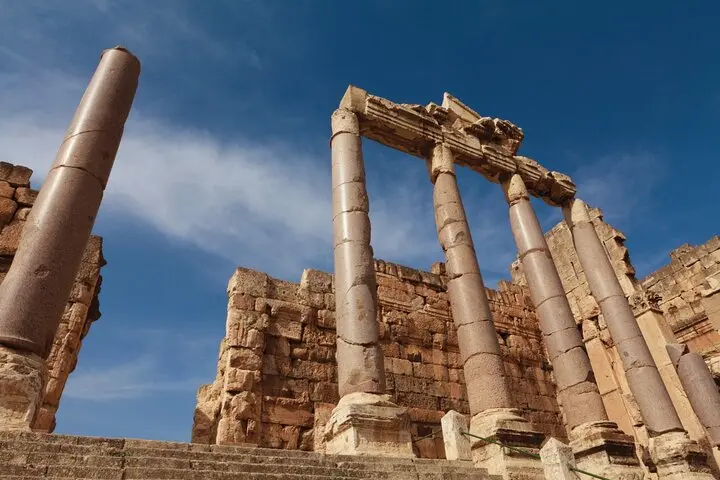
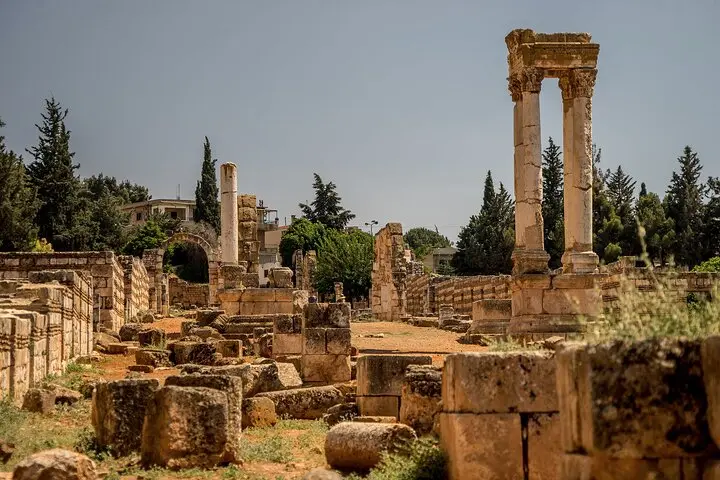
In the Bekaa Valley the scale shifts: Baalbek sits at roughly 1,150 m and presents Imperial Roman architecture with columns that once reached 30 m high. North, the Qadisha Valley and the Cedars of God present rugged monasteries clinging to steep terraces and the last stands of Lebanon’s emblematic cedrus libani.
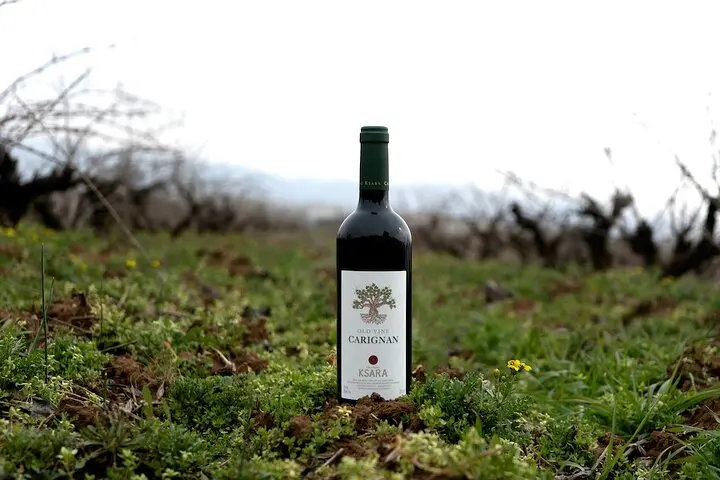
Practical guidance: the itinerary combines hotel nights in Beirut with four small-group day tours, airport transfers and included breakfasts (6) plus four lunches. Walking is generally on paved or well-formed trails and archaeological sites; this trip suits travelers of most fitness levels but expect stairs, uneven surfaces and seasonal crowds. Pack layers for coastal warmth and mountain chill, bring sturdy walking shoes, and schedule time for slower moments — a winery cellar visit in the Bekaa or a dawn stroll around Byblos harbor will reward you. Respect restricted areas at fragile archaeological sites and leave no trace in the cedar groves.
Most sites have paved paths and short walks, but several attractions involve stairs, uneven ground or cable-car transfers; contact the operator to discuss specific mobility needs.
The itinerary lists admission included for Jeita Grotto and several Baalbek entries; confirm specific ticket inclusions at booking or on your voucher.
The Lebanese pound (LBP) is local currency but US dollars are widely accepted; tipping small service amounts is customary (5–10% in restaurants, small tips for drivers/guides appreciated).
Arabic is the national language and French is common; most tour guides working with international companies speak English.
Beirut Daily Tours operates guided outdoor trips and adventures with an emphasis on safety, stewardship, and memorable experiences.
You step off the bus outside Beirut and the city exhales — cars, citrus markets and the eastern Mediterranean folding into view. Over six nights you move from salt-scented coastlines to limestone caves, Roman colonnades and the slow, ancient breath of the Cedars.
You step off the bus outside Beirut and the city exhales — cars, citrus markets and the eastern Mediterranean folding into view. Over six nights you move from salt-scented coastlines to limestone caves, Roman colonnades and the slow, ancient breath of the Cedars.
Day two takes you underground at Jeita Grotto, where two linked karst galleries trace millions of years of calcium choreography; the upper cave runs over 2,100 m and the lower river gallery flows under a vaulted ceiling. Along the coast, Jounieh’s Telepherique climbs 650 m to Harissa, a panoramic stage overlooking the Bay of Jounieh. Byblos lays out Phoenician and Crusader layers — an ancient port, a souk and a compact castle keep.
In the Bekaa Valley the scale shifts: Baalbek sits at roughly 1,150 m and presents Imperial Roman architecture with columns that once reached 30 m high. North, the Qadisha Valley and the Cedars of God present rugged monasteries clinging to steep terraces and the last stands of Lebanon’s emblematic cedrus libani.
Practical guidance: the itinerary combines hotel nights in Beirut with four small-group day tours, airport transfers and included breakfasts (6) plus four lunches. Walking is generally on paved or well-formed trails and archaeological sites; this trip suits travelers of most fitness levels but expect stairs, uneven surfaces and seasonal crowds. Pack layers for coastal warmth and mountain chill, bring sturdy walking shoes, and schedule time for slower moments — a winery cellar visit in the Bekaa or a dawn stroll around Byblos harbor will reward you. Respect restricted areas at fragile archaeological sites and leave no trace in the cedar groves.