THE ADVENTURE COLLECTIVE® · Independent discovery and booking for outdoor travel

A seven-day Lemosho ascent is equal parts scenery and strategy: long approach days across Shira Plateau, crucial acclimatization at Moir Hut, and a summit push that rewards steady pacing with an unforgettable sunrise at Uhuru Peak.
A seven-day Lemosho ascent is equal parts scenery and strategy: long approach days across Shira Plateau, crucial acclimatization at Moir Hut, and a summit push that rewards steady pacing with an unforgettable sunrise at Uhuru Peak.
You step off the jeep at Londorossi Gate and the mountain closes around you: a wall of cloud forest where lichen-draped branches reach like weathered hands and the trail threads through ferns that still hold last night’s rain. That first afternoon is gentle—6 km, 1,700 ft of gain—enough to remind your legs why you came and to introduce the team who will carry the camp and the rhythms of this climb: breakfast at dawn, steady pace, tales told over steaming mugs, and the slow, necessary business of acclimatization.
Verified experiences and guided adventures in the surrounding area.
Operated by Kilisa Tours & Safaris · Moshi, Kilimanjaro Region
You step off the jeep at Londorossi Gate and the mountain closes around you: a wall of cloud forest where lichen-draped branches reach like weathered hands and the trail threads through ferns that still hold last night’s rain. That first afternoon is gentle—6 km, 1,700 ft of gain—enough to remind your legs why you came and to introduce the team who will carry the camp and the rhythms of this climb: breakfast at dawn, steady pace, tales told over steaming mugs, and the slow, necessary business of acclimatization.
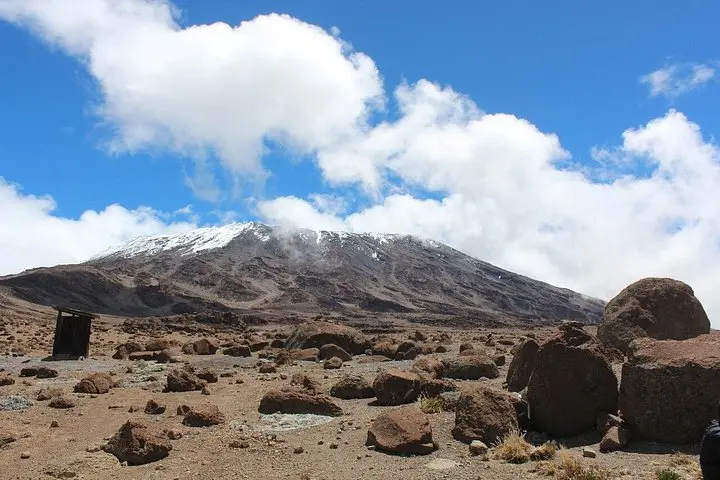
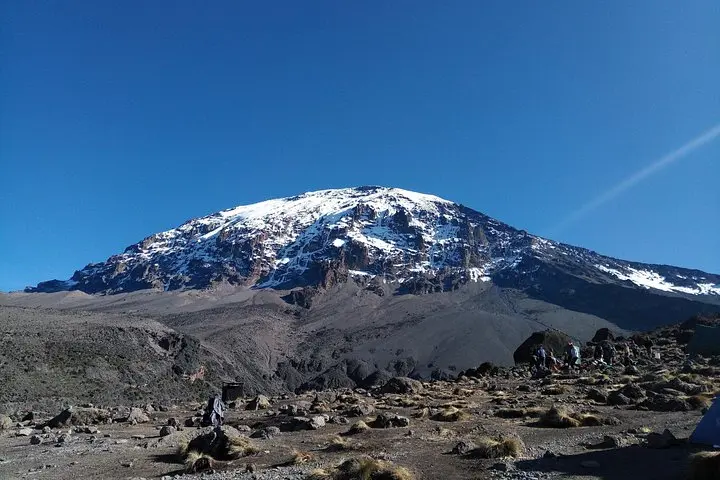
The Lemosho route is a study in altitude and habitat. Over seven days you move from humid rainforest into moorland and an alpine desert that feels lunar: shale, volcanic plugs and the jagged profile of Kibo drawing closer at every ridge. Geologically, Kilimanjaro is a composite volcano—Kibo the highest cone, its icefields shrinking year by year—and every step across the Shira Plateau or past the “Shark’s Tooth” lava tower reminds you you’re walking across a recent planetary scar.
Culturally the mountain carries the footprints of the Chagga people, whose cultivated terraces ring the lower slopes and who have for generations guided, portered and tended travelers. Your crew—guides, cook and porters—are local professionals; their knowledge of the route, weather shifts and altitude protocols is the spine of any successful summit attempt. The Lemosho itinerary builds those margins in: longer approach days and a deliberate acclimatization day at Moir Hut and Shira Plateau that materially improve summit odds.
Practicals are straightforward but non-negotiable. This is high-altitude trekking, not technical climbing—expect long days between 5–10 hours, with the summit push starting around 2 a.m. and delivering you to Stella Point and then Uhuru Peak at 19,343 ft. Hydration and pacing beat bravado; drink regularly, use poles to conserve knees and move at a conversational pace on ascent. Layering is essential: mornings on the plateau can be mild, nights on Barafu arctic-cold. A warm sleeping bag rated to at least -10°C, waterproof shell, sturdy boots and gaiters will keep you moving when conditions swing from sun to sleet.
Logistics are covered by the outfitter—park fees, rescue insurance, treated drinking water, and transfers to Moshi—but your role is preparation: train on sustained uphill hikes with a pack, sleep at moderate altitudes beforehand if possible, and come with patience. If the summit is the goal, respect the mountain’s timetable. Move steadily, listen to your guides, and remember the descent is a different test: tired knees, muddy rainforest and the shared relief of hot showers waiting in Moshi.
Success varies with fitness, acclimatization and weather; the 7-day itinerary improves summit odds compared with shorter routes, but no guarantee—listen to guides and pace conservatively.
No technical climbing skills are required—this is strenuous high-altitude trekking. Experience with multi-day hikes and long elevation gain is strongly recommended.
The summit night is the longest and coldest part: expect 6–8 hours of slow ascent from Barafu to Stella Point and Uhuru Peak, starting around 2 a.m.; proper layering and pacing are critical.
Yes—park entry fees, rescue fees and required permits are included in the tour package as stated by the operator.
Best seasons are the dry months: January–February and June–October; expect more rain during March–May and shorter rains around November.
Acclimatize by moving slowly, using the provided acclimatization day, staying hydrated, and notifying guides at the first symptoms; guides carry oxygen and first-aid kits and will evacuate if necessary.
Kilisa Tours & Safaris operates guided outdoor trips and adventures with an emphasis on safety, stewardship, and memorable experiences.
You step off the jeep at Londorossi Gate and the mountain closes around you: a wall of cloud forest where lichen-draped branches reach like weathered hands and the trail threads through ferns that still hold last night’s rain. That first afternoon is gentle—6 km, 1,700 ft of gain—enough to remind your legs why you came and to introduce the team who will carry the camp and the rhythms of this climb: breakfast at dawn, steady pace, tales told over steaming mugs, and the slow, necessary business of acclimatization.
You step off the jeep at Londorossi Gate and the mountain closes around you: a wall of cloud forest where lichen-draped branches reach like weathered hands and the trail threads through ferns that still hold last night’s rain. That first afternoon is gentle—6 km, 1,700 ft of gain—enough to remind your legs why you came and to introduce the team who will carry the camp and the rhythms of this climb: breakfast at dawn, steady pace, tales told over steaming mugs, and the slow, necessary business of acclimatization.
The Lemosho route is a study in altitude and habitat. Over seven days you move from humid rainforest into moorland and an alpine desert that feels lunar: shale, volcanic plugs and the jagged profile of Kibo drawing closer at every ridge. Geologically, Kilimanjaro is a composite volcano—Kibo the highest cone, its icefields shrinking year by year—and every step across the Shira Plateau or past the “Shark’s Tooth” lava tower reminds you you’re walking across a recent planetary scar.
Culturally the mountain carries the footprints of the Chagga people, whose cultivated terraces ring the lower slopes and who have for generations guided, portered and tended travelers. Your crew—guides, cook and porters—are local professionals; their knowledge of the route, weather shifts and altitude protocols is the spine of any successful summit attempt. The Lemosho itinerary builds those margins in: longer approach days and a deliberate acclimatization day at Moir Hut and Shira Plateau that materially improve summit odds.
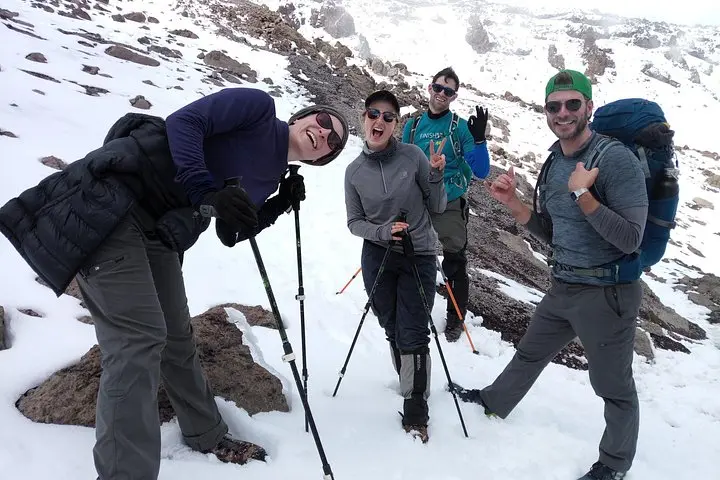
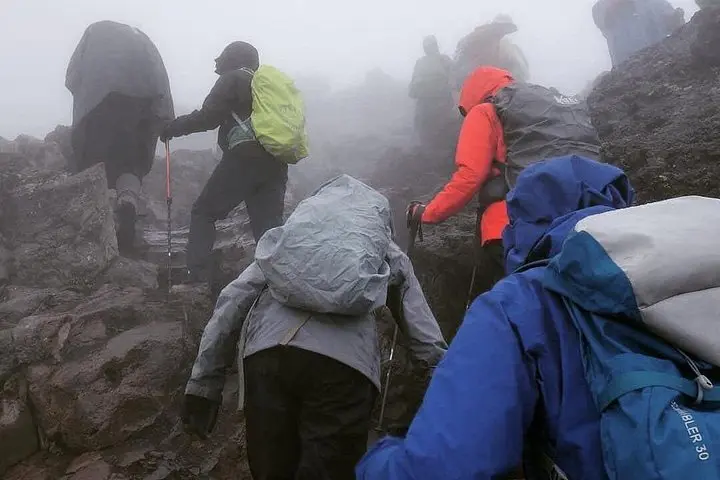
Practicals are straightforward but non-negotiable. This is high-altitude trekking, not technical climbing—expect long days between 5–10 hours, with the summit push starting around 2 a.m. and delivering you to Stella Point and then Uhuru Peak at 19,343 ft. Hydration and pacing beat bravado; drink regularly, use poles to conserve knees and move at a conversational pace on ascent. Layering is essential: mornings on the plateau can be mild, nights on Barafu arctic-cold. A warm sleeping bag rated to at least -10°C, waterproof shell, sturdy boots and gaiters will keep you moving when conditions swing from sun to sleet.
Logistics are covered by the outfitter—park fees, rescue insurance, treated drinking water, and transfers to Moshi—but your role is preparation: train on sustained uphill hikes with a pack, sleep at moderate altitudes beforehand if possible, and come with patience. If the summit is the goal, respect the mountain’s timetable. Move steadily, listen to your guides, and remember the descent is a different test: tired knees, muddy rainforest and the shared relief of hot showers waiting in Moshi.