THE ADVENTURE COLLECTIVE® · Independent discovery and booking for outdoor travel

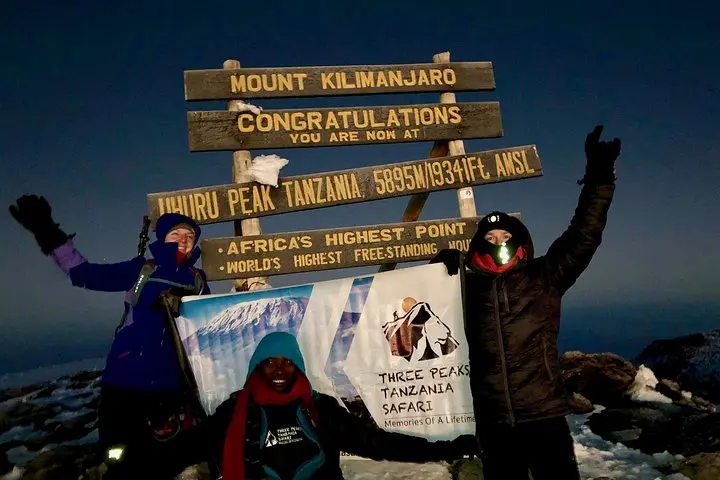
The seven-day Lemosho Route spreads ascent across extra days for better acclimatization, crossing Shira Plateau and finishing with a pre-dawn summit push to Uhuru Peak (19,345 ft). This guide outlines what to expect on trail, practical gear, and key logistics for a safer, more enjoyable climb.
The seven-day Lemosho Route spreads ascent across extra days for better acclimatization, crossing Shira Plateau and finishing with a pre-dawn summit push to Uhuru Peak (19,345 ft). This guide outlines what to expect on trail, practical gear, and key logistics for a safer, more enjoyable climb.
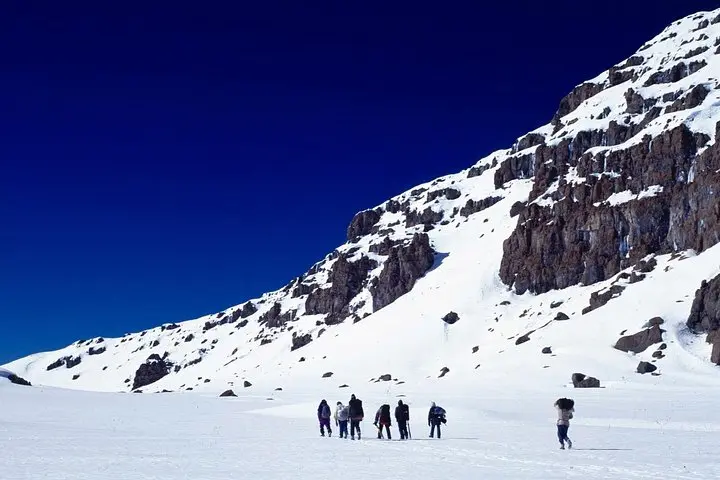
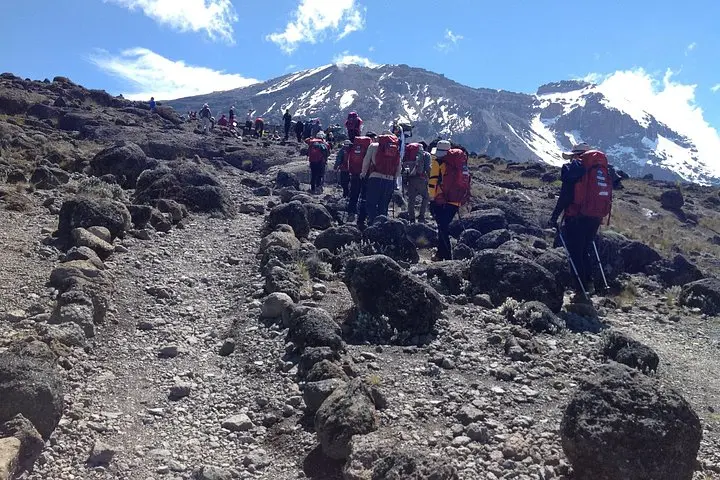
You step off the vehicle at Londorossi Gate and the forest closes in — damp soil, giant lobelias brushing your shoulders, and the trail angling up toward cloud. Over seven days the mountain changes its face: dense rain forest gives way to moorland, plateaus of volcanic rock, an arid alpine desert and, finally, the glaciated crest of Kibo.
Verified experiences and guided adventures in the surrounding area.
Operated by Three Peaks Tanzania Safari ltd · Moshi, Kilimanjaro Region
You step off the vehicle at Londorossi Gate and the forest closes in — damp soil, giant lobelias brushing your shoulders, and the trail angling up toward cloud. Over seven days the mountain changes its face: dense rain forest gives way to moorland, plateaus of volcanic rock, an arid alpine desert and, finally, the glaciated crest of Kibo.
The Lemosho variation spreads ascent over an extra day compared with the six-day route, easing acclimatization by moving from Forest Camp (9,500 ft) to Shira Camp 1 (11,500 ft) and onward to Moir Hut (13,800 ft). The route crosses Shira Plateau — one of the highest plateaus on Earth — then past the Lava Tower and the Barranco Wall, up the Karanga valley to Barafu, and the pre-dawn push to Uhuru Peak (19,345 ft). The summit corridor follows the Rebmann and Ratzel glaciers, with a sunrise at Stella Point for most trekkers.
Geology here reads like recent earth: volcanic plugs, lichen-smudged rocks and the remnant glaciers that are shrinking each decade. Culturally, approach towns such as Moshi with respect — local guides and porters are integral to the climb and fees support park conservation.
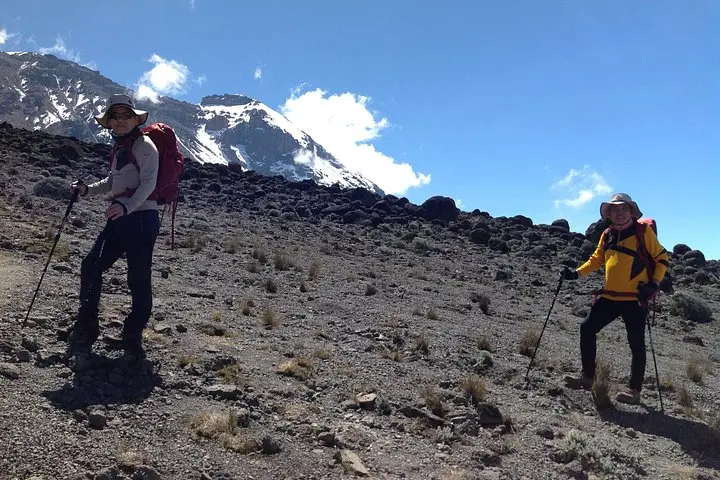
Practical edge: expect 5–10 hours on mid-days, higher exertion on Day 5 and summit night starting around 2:00 a.m. Bring layered clothing for Arctic conditions above 15,000 ft, gaiters and trekking poles for loose scree, and plan for mud in the forested lower stages. Hydrate, pace to breath, and prioritize sleep on acclimatization days — the extra day on Lemosho is the single biggest safety advantage.
No technical climbing equipment or rope skills are needed; the route is a walk-up but requires endurance and high-altitude preparedness.
Reputable operators include park fees, rescue fees and camping permits in the package; verify these are listed in your booking inclusions.
Seven-day itineraries improve success compared with shorter itineraries because of better acclimatization, though individual success depends on fitness and acclimatization response.
The driest and most stable months are June–October and late December–February; March–May has long rains and can make lower trails muddy and slippery.
Three Peaks Tanzania Safari ltd operates guided outdoor trips and adventures with an emphasis on safety, stewardship, and memorable experiences.
You step off the vehicle at Londorossi Gate and the forest closes in — damp soil, giant lobelias brushing your shoulders, and the trail angling up toward cloud. Over seven days the mountain changes its face: dense rain forest gives way to moorland, plateaus of volcanic rock, an arid alpine desert and, finally, the glaciated crest of Kibo.
You step off the vehicle at Londorossi Gate and the forest closes in — damp soil, giant lobelias brushing your shoulders, and the trail angling up toward cloud. Over seven days the mountain changes its face: dense rain forest gives way to moorland, plateaus of volcanic rock, an arid alpine desert and, finally, the glaciated crest of Kibo.
The Lemosho variation spreads ascent over an extra day compared with the six-day route, easing acclimatization by moving from Forest Camp (9,500 ft) to Shira Camp 1 (11,500 ft) and onward to Moir Hut (13,800 ft). The route crosses Shira Plateau — one of the highest plateaus on Earth — then past the Lava Tower and the Barranco Wall, up the Karanga valley to Barafu, and the pre-dawn push to Uhuru Peak (19,345 ft). The summit corridor follows the Rebmann and Ratzel glaciers, with a sunrise at Stella Point for most trekkers.
Geology here reads like recent earth: volcanic plugs, lichen-smudged rocks and the remnant glaciers that are shrinking each decade. Culturally, approach towns such as Moshi with respect — local guides and porters are integral to the climb and fees support park conservation.
Practical edge: expect 5–10 hours on mid-days, higher exertion on Day 5 and summit night starting around 2:00 a.m. Bring layered clothing for Arctic conditions above 15,000 ft, gaiters and trekking poles for loose scree, and plan for mud in the forested lower stages. Hydrate, pace to breath, and prioritize sleep on acclimatization days — the extra day on Lemosho is the single biggest safety advantage.