THE ADVENTURE COLLECTIVE® · Independent discovery and booking for outdoor travel

Approach Kilimanjaro from the west on the Lemosho route: longer acclimatization, varied terrain and higher summit success. This 7-day itinerary balances steady ascents, dramatic alpine landscapes and practical logistical support.
Approach Kilimanjaro from the west on the Lemosho route: longer acclimatization, varied terrain and higher summit success. This 7-day itinerary balances steady ascents, dramatic alpine landscapes and practical logistical support.
Night on the trail is immediate and absolute: headlamps pick out the silhouettes of porters moving like ghosts, while the mountain above pulls at the sky with a ragged crown of ice. Beginning at Londorossi Gate you push through farmland into a belt of heath and giant lobelia, the west face opening into the broad Shira Plateau where wind shapes volcanic rock into low ridges.
Verified experiences and guided adventures in the surrounding area.
Operated by Bayango Tours & Safaris · Moshi, Kilimanjaro Region
Night on the trail is immediate and absolute: headlamps pick out the silhouettes of porters moving like ghosts, while the mountain above pulls at the sky with a ragged crown of ice. Beginning at Londorossi Gate you push through farmland into a belt of heath and giant lobelia, the west face opening into the broad Shira Plateau where wind shapes volcanic rock into low ridges.
Kilimanjaro is a dormant stratovolcano made of three cones — Kibo, Mawenzi and Shira — its glaciers remnants of an ice-age history that now retreat each decade. The Lemosho route approaches from the west and offers more gradual acclimatization than shorter tracks; it also cuts through land of the Chagga people, whose coffee farms and mountain lore frame the approach to the park.
Expect long walking days of mixed terrain: forested singletrack, moorland, volcanic scree and steep talus near Barafu. Summit night is a long, cold push from Barafu up to Stella Point and Uhuru Peak; weather and altitude decide the outcome. Guides, porters and cooks are standard; park fees and camping logistics are handled through the operator.
Practical guidance: train on sustained uphill hikes, practice breathing at pace, and test your sleeping bag in cold conditions. Bring layered clothing, gaiters, trekking poles and a small daypack for summit essentials. Hydrate early and often — the mountain’s thin air makes dehydration deceptive — and plan buffer days in Moshi for travel. Respect park rules, pack out non-biodegradable waste, and keep group pace steady for the best chance at reaching Uhuru Peak.
Success varies by group fitness and weather, but the 7-day Lemosho route has a higher summit rate than shorter itineraries due to better acclimatization.
Prior exposure helps but isn't mandatory; training on long uphill hikes and spending time at moderate altitude beforehand is strongly recommended.
No special vaccinations are mandatory for entry to Tanzania beyond routine ones; Kilimanjaro National Park fees and camping permits are included by operators—check visa and vaccination requirements for Tanzania based on your nationality.
Summit night is the most demanding segment: expect 7–8 hours uphill in cold and thin air, followed by several hours of descent; pacing, calorie intake and warm clothing are critical.
Bayango Tours & Safaris operates guided outdoor trips and adventures with an emphasis on safety, stewardship, and memorable experiences.
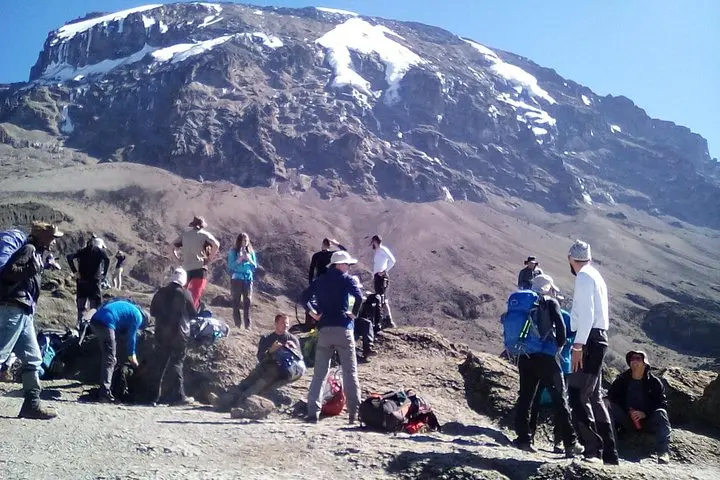
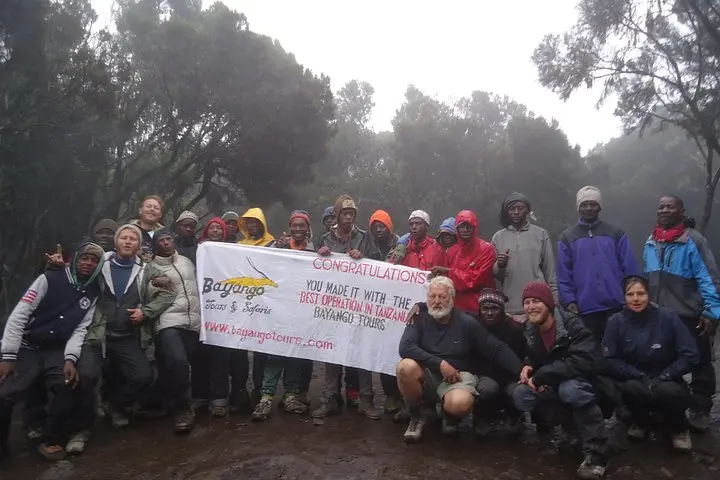
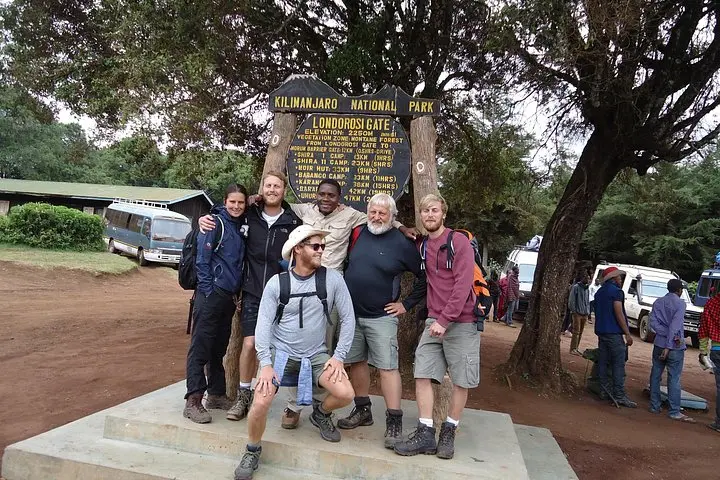
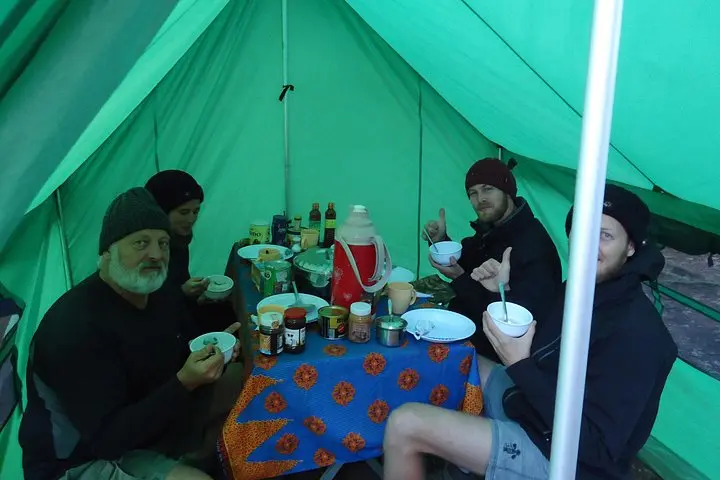
Night on the trail is immediate and absolute: headlamps pick out the silhouettes of porters moving like ghosts, while the mountain above pulls at the sky with a ragged crown of ice. Beginning at Londorossi Gate you push through farmland into a belt of heath and giant lobelia, the west face opening into the broad Shira Plateau where wind shapes volcanic rock into low ridges.
Night on the trail is immediate and absolute: headlamps pick out the silhouettes of porters moving like ghosts, while the mountain above pulls at the sky with a ragged crown of ice. Beginning at Londorossi Gate you push through farmland into a belt of heath and giant lobelia, the west face opening into the broad Shira Plateau where wind shapes volcanic rock into low ridges.
Kilimanjaro is a dormant stratovolcano made of three cones — Kibo, Mawenzi and Shira — its glaciers remnants of an ice-age history that now retreat each decade. The Lemosho route approaches from the west and offers more gradual acclimatization than shorter tracks; it also cuts through land of the Chagga people, whose coffee farms and mountain lore frame the approach to the park.
Expect long walking days of mixed terrain: forested singletrack, moorland, volcanic scree and steep talus near Barafu. Summit night is a long, cold push from Barafu up to Stella Point and Uhuru Peak; weather and altitude decide the outcome. Guides, porters and cooks are standard; park fees and camping logistics are handled through the operator.
Practical guidance: train on sustained uphill hikes, practice breathing at pace, and test your sleeping bag in cold conditions. Bring layered clothing, gaiters, trekking poles and a small daypack for summit essentials. Hydrate early and often — the mountain’s thin air makes dehydration deceptive — and plan buffer days in Moshi for travel. Respect park rules, pack out non-biodegradable waste, and keep group pace steady for the best chance at reaching Uhuru Peak.