THE ADVENTURE COLLECTIVE® · Independent discovery and booking for outdoor travel

Trek the quieter Lemosho Route to Kilimanjaro’s summit over seven days, moving from dense rainforest to high alpine desert before a midnight push to Uhuru Peak. This itinerary prioritizes acclimatization and camp comfort while offering dramatic glacier and crater views.
Trek the quieter Lemosho Route to Kilimanjaro’s summit over seven days, moving from dense rainforest to high alpine desert before a midnight push to Uhuru Peak. This itinerary prioritizes acclimatization and camp comfort while offering dramatic glacier and crater views.
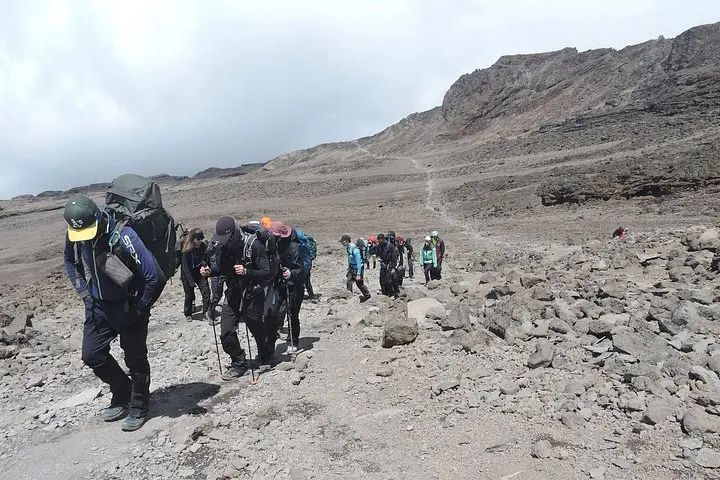
A thin light slides over Mawenzi as the group files out of camp, boots crunching on volcanic scree and breath fogging in the alpine air. On the Lemosho Route the mountain reveals itself slowly: first the rain forest hush, then the open moorland of Shira Plateau, and finally the cold, wind-scoured ridge above Barafu where the Rebmann Glacier keeps a quiet watch.
Verified experiences and guided adventures in the surrounding area.
Operated by Kilimanjaro Vikings Adventures · Moshi, Kilimanjaro Region
A thin light slides over Mawenzi as the group files out of camp, boots crunching on volcanic scree and breath fogging in the alpine air. On the Lemosho Route the mountain reveals itself slowly: first the rain forest hush, then the open moorland of Shira Plateau, and finally the cold, wind-scoured ridge above Barafu where the Rebmann Glacier keeps a quiet watch.
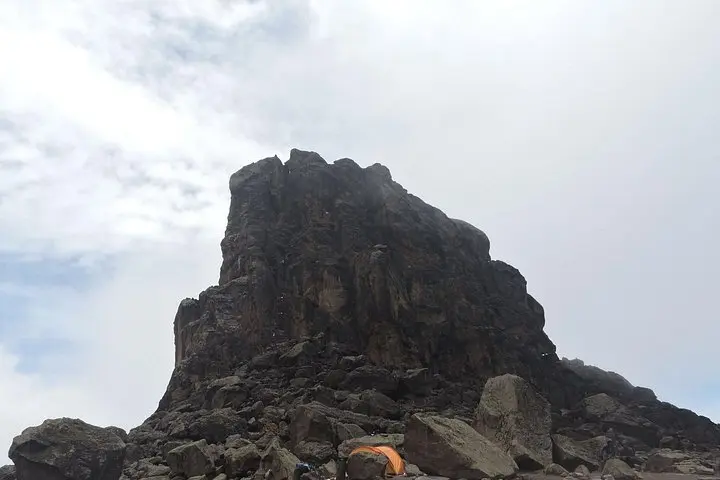
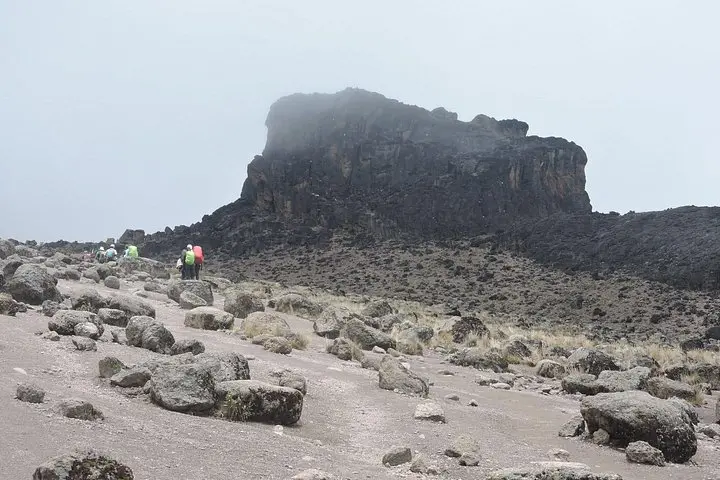
Lemosho approaches Kilimanjaro from the west, a route pioneered by climbers seeking quieter trails and better acclimatization. Geologically the massif is an extinct stratovolcano with three volcanic cones—Kibo, Mawenzi and Shira—whose lava flows and glacial remnants shape the route. Culturally, the climb crosses Chagga farmland and sacred forest where local guides share both age-old knowledge of the mountain and practical high-altitude experience.
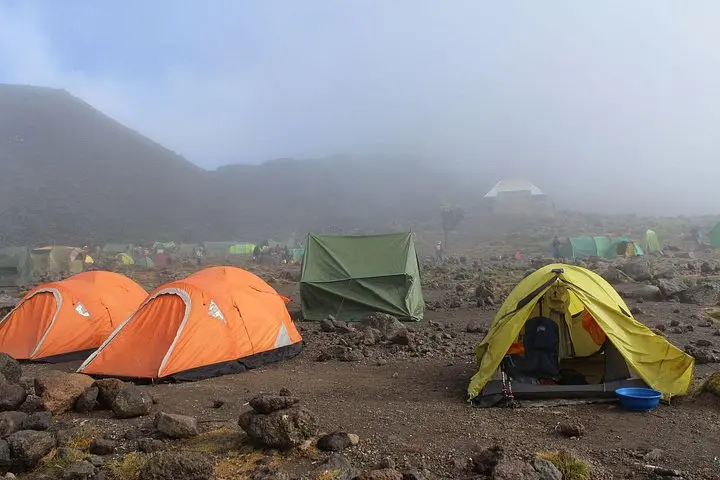
Expect daily marches of 4–9 hours, incremental altitude gains for acclimatization, tented camps, and a summit push from Barafu in the small hours to reach Uhuru Peak at 5,895 m. Terrain shifts from muddy roots to rocky terraces, then to moonlike scree and knife-edged ridgelines; weather can flip from sun to wind-driven snow.
Practical guidance: train with long hikes and back-to-back days, use layered clothing for extremes, carry a pulse oximeter and hydrate deliberately. Hire an experienced operator who provides oxygen, porters, and a medical check each morning. Start early on summit night, pace conservatively, and budget extra days in Moshi for rest. The Lemosho Route rewards patience with higher summit probabilities and memorable landscapes—be prepared, move steadily, and let the mountain set the rhythm.
The summit night is long and steep—expect 6–8 hours of climbing at slow, steady pace from Barafu; proper pacing and layering are critical.
No technical climbing skills are required; good fitness and high-altitude trekking experience are recommended.
Three meals daily on the mountain plus drinking water are provided by the operator; bring preferred snacks and electrolytes.
Guides monitor health and can slow the itinerary, recommend rest days, or arrange descent and medical care if needed.
Kilimanjaro Vikings Adventures operates guided outdoor trips and adventures with an emphasis on safety, stewardship, and memorable experiences.
A thin light slides over Mawenzi as the group files out of camp, boots crunching on volcanic scree and breath fogging in the alpine air. On the Lemosho Route the mountain reveals itself slowly: first the rain forest hush, then the open moorland of Shira Plateau, and finally the cold, wind-scoured ridge above Barafu where the Rebmann Glacier keeps a quiet watch.
A thin light slides over Mawenzi as the group files out of camp, boots crunching on volcanic scree and breath fogging in the alpine air. On the Lemosho Route the mountain reveals itself slowly: first the rain forest hush, then the open moorland of Shira Plateau, and finally the cold, wind-scoured ridge above Barafu where the Rebmann Glacier keeps a quiet watch.
Lemosho approaches Kilimanjaro from the west, a route pioneered by climbers seeking quieter trails and better acclimatization. Geologically the massif is an extinct stratovolcano with three volcanic cones—Kibo, Mawenzi and Shira—whose lava flows and glacial remnants shape the route. Culturally, the climb crosses Chagga farmland and sacred forest where local guides share both age-old knowledge of the mountain and practical high-altitude experience.
Expect daily marches of 4–9 hours, incremental altitude gains for acclimatization, tented camps, and a summit push from Barafu in the small hours to reach Uhuru Peak at 5,895 m. Terrain shifts from muddy roots to rocky terraces, then to moonlike scree and knife-edged ridgelines; weather can flip from sun to wind-driven snow.
Practical guidance: train with long hikes and back-to-back days, use layered clothing for extremes, carry a pulse oximeter and hydrate deliberately. Hire an experienced operator who provides oxygen, porters, and a medical check each morning. Start early on summit night, pace conservatively, and budget extra days in Moshi for rest. The Lemosho Route rewards patience with higher summit probabilities and memorable landscapes—be prepared, move steadily, and let the mountain set the rhythm.