THE ADVENTURE COLLECTIVE® · Independent discovery and booking for outdoor travel

Seven days on the Machame Route take you from rainforest to the roof of Africa—expect steep ascents, varied terrain and strong support from an experienced crew. This guide outlines what to expect, how to prepare and key logistics to maximize your chance of summiting Uhuru Peak.
Seven days on the Machame Route take you from rainforest to the roof of Africa—expect steep ascents, varied terrain and strong support from an experienced crew. This guide outlines what to expect, how to prepare and key logistics to maximize your chance of summiting Uhuru Peak.
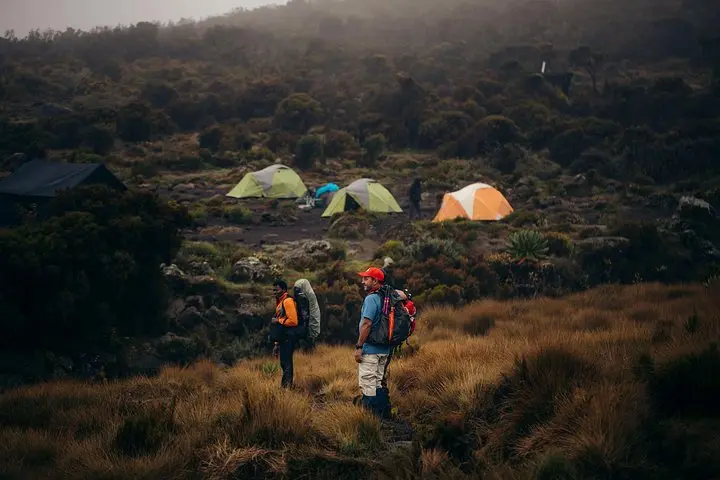
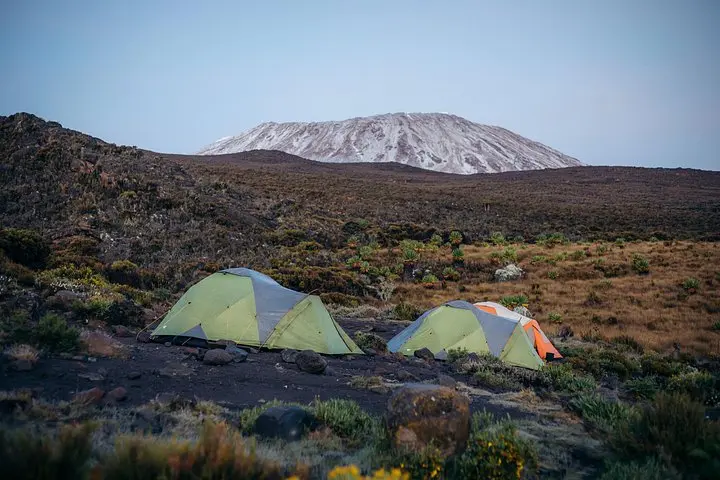
Dawn breaks on Kilimanjaro’s southern flank and the Machame trail exhales mist from the rainforest. The path climbs steadily from Machame Gate (≈1,800 m), threading lianas and fern banks, then opens to heathland and the stony slopes of Shira Plateau. Each camp wakes to different weather—rainforest drizzle, crisp alpine mornings and the thin, sharp air above 4,000 m that seems to test every breath.
Verified experiences and guided adventures in the surrounding area.
Operated by ZAFS Tours · Moshi, Kilimanjaro Region
Dawn breaks on Kilimanjaro’s southern flank and the Machame trail exhales mist from the rainforest. The path climbs steadily from Machame Gate (≈1,800 m), threading lianas and fern banks, then opens to heathland and the stony slopes of Shira Plateau. Each camp wakes to different weather—rainforest drizzle, crisp alpine mornings and the thin, sharp air above 4,000 m that seems to test every breath.
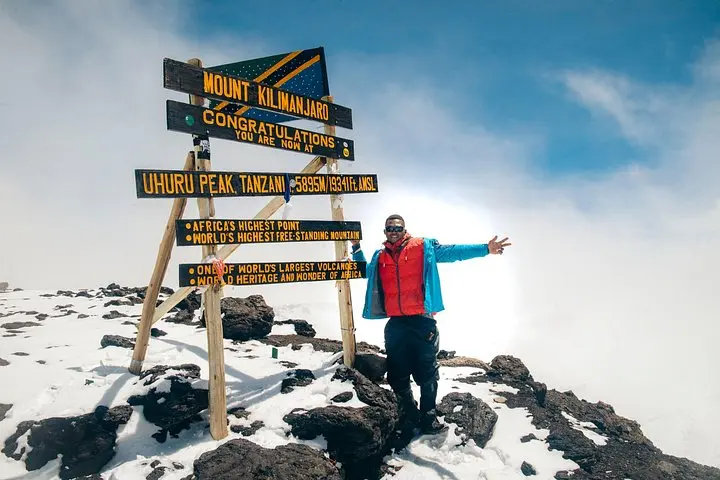
Geologically Kibo is a dormant stratovolcano crowned by the Furtwängler glaciers; you travel a landscape carved by ancient eruptions and slow freeze-thaw. Culturally the climb skirts land of the Chagga people; Moshi below is where porters, guides and chefs assemble a system honed over decades. The Machame Route—popular for its “walk high, sleep low” profile—passes Lava Tower and the dramatic Great Barranco Wall before the steep push to Barafu and summit attempts on Uhuru Peak (5,895 m). Descents commonly follow the Mweka trail.
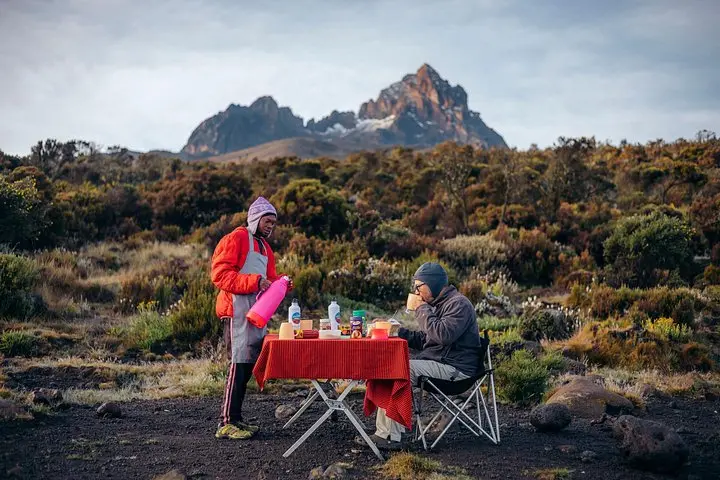
Practically: expect 6–8 hours of walking on most days, rocky and sometimes muddy trails, cold summit nights and a reliance on experienced guides and crew. Hydration, slow pacing and layers are your best tools; the company provides camping gear and daily meals prepared on the mountain, and emergency oxygen is standard. A typical day includes regular acclimatization checks and communal dining in the mess tent.
Plan for variable weather, protect feet against blisters, use trekking poles for steeper sections, and budget time in Moshi before and after the trek to recover or arrange logistics. The Machame Route rewards patience with sweeping 360° views from near the crater rim and a real chance at summit success with proper preparation.
Uhuru Peak is 5,895 m; the summit night is the hardest due to long hours, thin air and steep scree—slow, steady pacing and guided support are essential.
No technical rock or ice climbing skills are required for the Machame Route, but good fitness and prior multi-day trekking experience are strongly recommended.
Trips include a chef who prepares hot meals at camps and a dining tent; basic toilet facilities are provided at camps or portable toilets arranged by crews.
June–October typically offers the most stable weather and clearer summit windows, though shoulder seasons can work with proper gear and flexible scheduling.
ZAFS Tours operates guided outdoor trips and adventures with an emphasis on safety, stewardship, and memorable experiences.
Dawn breaks on Kilimanjaro’s southern flank and the Machame trail exhales mist from the rainforest. The path climbs steadily from Machame Gate (≈1,800 m), threading lianas and fern banks, then opens to heathland and the stony slopes of Shira Plateau. Each camp wakes to different weather—rainforest drizzle, crisp alpine mornings and the thin, sharp air above 4,000 m that seems to test every breath.
Dawn breaks on Kilimanjaro’s southern flank and the Machame trail exhales mist from the rainforest. The path climbs steadily from Machame Gate (≈1,800 m), threading lianas and fern banks, then opens to heathland and the stony slopes of Shira Plateau. Each camp wakes to different weather—rainforest drizzle, crisp alpine mornings and the thin, sharp air above 4,000 m that seems to test every breath.
Geologically Kibo is a dormant stratovolcano crowned by the Furtwängler glaciers; you travel a landscape carved by ancient eruptions and slow freeze-thaw. Culturally the climb skirts land of the Chagga people; Moshi below is where porters, guides and chefs assemble a system honed over decades. The Machame Route—popular for its “walk high, sleep low” profile—passes Lava Tower and the dramatic Great Barranco Wall before the steep push to Barafu and summit attempts on Uhuru Peak (5,895 m). Descents commonly follow the Mweka trail.
Practically: expect 6–8 hours of walking on most days, rocky and sometimes muddy trails, cold summit nights and a reliance on experienced guides and crew. Hydration, slow pacing and layers are your best tools; the company provides camping gear and daily meals prepared on the mountain, and emergency oxygen is standard. A typical day includes regular acclimatization checks and communal dining in the mess tent.
Plan for variable weather, protect feet against blisters, use trekking poles for steeper sections, and budget time in Moshi before and after the trek to recover or arrange logistics. The Machame Route rewards patience with sweeping 360° views from near the crater rim and a real chance at summit success with proper preparation.