THE ADVENTURE COLLECTIVE® · Independent discovery and booking for outdoor travel

The seven-day Machame Route takes trekkers from rainforest to alpine desert, ending with a predawn push to Uhuru Peak. This guide outlines terrain, local context, and practical tips to prepare for altitude, weather, and logistics.
The seven-day Machame Route takes trekkers from rainforest to alpine desert, ending with a predawn push to Uhuru Peak. This guide outlines terrain, local context, and practical tips to prepare for altitude, weather, and logistics.
Dawn on Kilimanjaro begins with mist threading through ancient montane forest and a slow reveal of the peak’s ragged ridgeline. On the Machame Route, each day's step changes the terrain: moss-draped trunks give way to heathland, then to a high desert where wind and rock set the rhythm and the summit’s shadow grows long.
Verified experiences and guided adventures in the surrounding area.
Dawn on Kilimanjaro begins with mist threading through ancient montane forest and a slow reveal of the peak’s ragged ridgeline. On the Machame Route, each day's step changes the terrain: moss-draped trunks give way to heathland, then to a high desert where wind and rock set the rhythm and the summit’s shadow grows long.
The mountain sits on a volcanic massif shaped by Pleistocene eruptions; its highest dome, Kibo, and companion Mawenzi record millions of years of uplift and glacial retreat. The Chagga people have long lived on the southern slopes, cultivating coffee and telling stories of the peaks that guide local guiding traditions. Kilimanjaro National Park, a UNESCO site, preserves slopes that host distinct ecological bands from rainforest to alpine desert.
Expect long, steady days of trekking with planned acclimatization — Machame’s zigzagging approach gains elevation more aggressively than some routes, so the typical seven-day schedule spaces harder climbs with rest at strategic huts. Nights are in mountain huts or tents dependent on operator; cooks and porters manage food and camp logistics. Weather shifts fast: daytime can feel springlike near the forest, while summit night demands insulated layers.
Practical notes: hydrate and practice pole-assisted uphill and downhills; pack high-quality cold-weather gear for summit night; budget for park fees, tips, and altitude contingency days. Travel with licensed guides, carry personal medications for altitude, and plan for a conservative turnaround time on summit night to prioritize safety. With focused preparation, the Machame Route is a demanding but accessible path to Africa’s highest point.
No technical mountaineering skills are required on the Machame Route—it's a strenuous trek, not a technical climb—but hikers must be comfortable with long ascents, steep scree, and cold conditions.
The clearest windows are late June–October and late December–February; March–May brings long rains that make trails muddier and visibility poorer.
Climbers must pay national park entrance fees, camping/hut fees, and rescue/insurance levies through licensed operators; these are usually included in reputable package prices.
Altitude illness is common; guides enforce slow ascent profiles, hydration, and may carry oxygen or medications. If symptoms worsen, descent is the primary treatment and operators have evacuation plans.
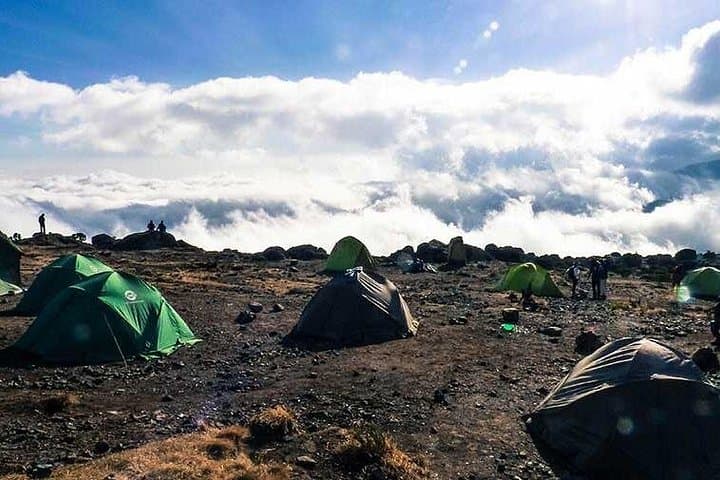
Dawn on Kilimanjaro begins with mist threading through ancient montane forest and a slow reveal of the peak’s ragged ridgeline. On the Machame Route, each day's step changes the terrain: moss-draped trunks give way to heathland, then to a high desert where wind and rock set the rhythm and the summit’s shadow grows long.
Dawn on Kilimanjaro begins with mist threading through ancient montane forest and a slow reveal of the peak’s ragged ridgeline. On the Machame Route, each day's step changes the terrain: moss-draped trunks give way to heathland, then to a high desert where wind and rock set the rhythm and the summit’s shadow grows long.
The mountain sits on a volcanic massif shaped by Pleistocene eruptions; its highest dome, Kibo, and companion Mawenzi record millions of years of uplift and glacial retreat. The Chagga people have long lived on the southern slopes, cultivating coffee and telling stories of the peaks that guide local guiding traditions. Kilimanjaro National Park, a UNESCO site, preserves slopes that host distinct ecological bands from rainforest to alpine desert.
Expect long, steady days of trekking with planned acclimatization — Machame’s zigzagging approach gains elevation more aggressively than some routes, so the typical seven-day schedule spaces harder climbs with rest at strategic huts. Nights are in mountain huts or tents dependent on operator; cooks and porters manage food and camp logistics. Weather shifts fast: daytime can feel springlike near the forest, while summit night demands insulated layers.
Practical notes: hydrate and practice pole-assisted uphill and downhills; pack high-quality cold-weather gear for summit night; budget for park fees, tips, and altitude contingency days. Travel with licensed guides, carry personal medications for altitude, and plan for a conservative turnaround time on summit night to prioritize safety. With focused preparation, the Machame Route is a demanding but accessible path to Africa’s highest point.