THE ADVENTURE COLLECTIVE® · Independent discovery and booking for outdoor travel

The Machame Route is a seven-day, tented circuit on Mount Kilimanjaro that prioritizes acclimatization and scenery over speed. This guide outlines the route, cultural context, and the practical gear and pacing you’ll need to reach Uhuru Peak.
The Machame Route is a seven-day, tented circuit on Mount Kilimanjaro that prioritizes acclimatization and scenery over speed. This guide outlines the route, cultural context, and the practical gear and pacing you’ll need to reach Uhuru Peak.
Night air on the lower slopes of Kilimanjaro smells of wet earth and coffee blossoms. At the trailhead, headlamps puncture a ribbon of cloud and the first porters tighten tent ropes like clockwork; within hours you’re moving uphill through rainforest, the trees pressing close until the world opens to moorland and then to a stone-scrub, wind-etched landscape that refuses to be small. The Machame Route — the Whisky Route — is a seven-day, tented circuit that trades the straight line of the hut-based Marangu path for staggered ascents that prioritise acclimatization and views.
Verified experiences and guided adventures in the surrounding area.
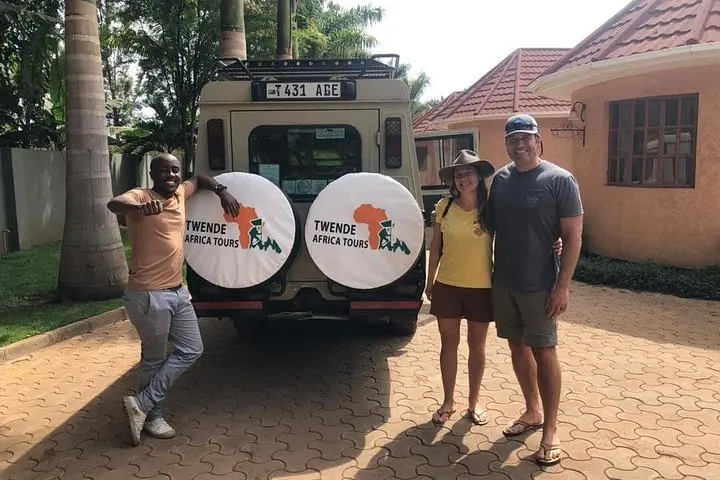
Operated by Twende Africa Tours · Moshi, Kilimanjaro Region
Night air on the lower slopes of Kilimanjaro smells of wet earth and coffee blossoms. At the trailhead, headlamps puncture a ribbon of cloud and the first porters tighten tent ropes like clockwork; within hours you’re moving uphill through rainforest, the trees pressing close until the world opens to moorland and then to a stone-scrub, wind-etched landscape that refuses to be small. The Machame Route — the Whisky Route — is a seven-day, tented circuit that trades the straight line of the hut-based Marangu path for staggered ascents that prioritise acclimatization and views.
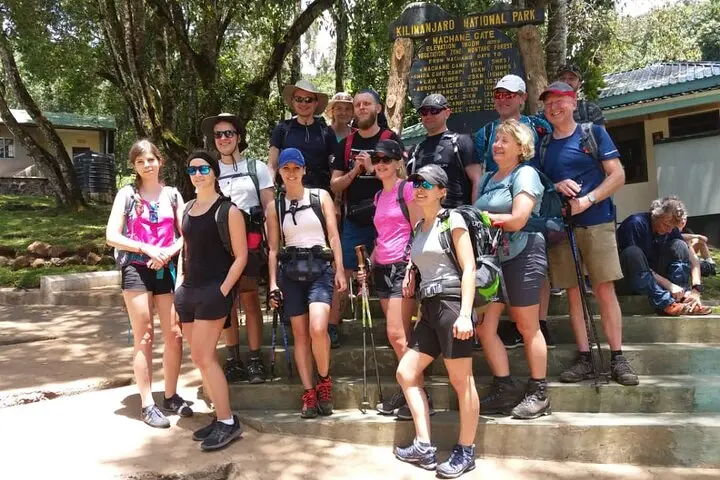
Geology and history are visible in layers: ancient volcanic flows make the broad Shira Plateau, jagged lava stacks rise near Lava Tower, and the last icy ribbons cling to the saddle of Kibo. The Chagga people have farmed the mountain’s lower slopes for generations; you pass terraced banana and coffee plots on the drive from Moshi to Machame Gate, a short journey that signals the transition from cultivated valley to national park wilderness. Kilimanjaro National Park was established in 1977; today its management balances permit systems and guide regulations to protect fragile alpine soils and the remaining glacier ice.
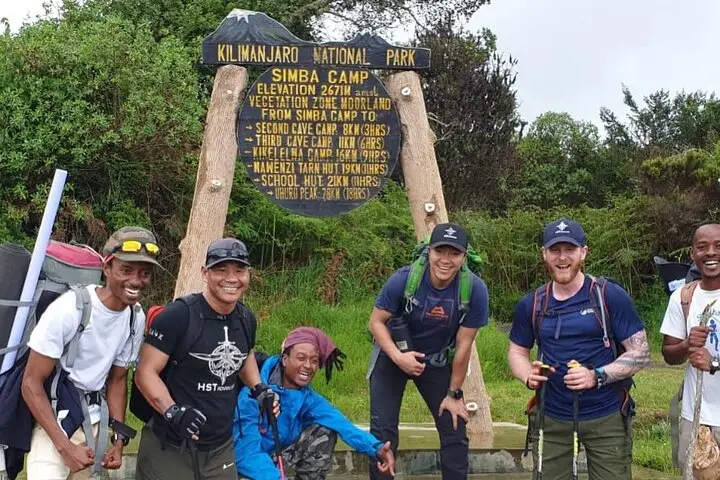
Culturally the climb is a group effort. Tanzanian guides, cook teams and porters set the tempo; their experience shapes success more than any checklist. Expect wet forest days, wind-scoured moorland, and the thin, cold air above 4,000 m that will govern your pacing. The summit push begins around midnight, a slow, step-by-step ascent up scree to Stella Point and then Uhuru Peak for sunrise — a classic high-altitude endurance day.
Practically: the itinerary spreads elevation gain across six nights — Machame, Shira, Barranco, Karanga, Barafu, Mweka — to give your body time to adjust. Each day varies from short, steep approaches to long, methodical crossings; pack gaiters and poles for muddy forest and loose scree. Hydration and calorie density matter: aim for 3–4 liters per day and carry salty snacks. Weather is changeable; temperatures range from warm in Moshi to well below freezing near the summit. Guides carry oxygen and basic first aid; choose an operator with clear porter care policies and a high summit success rate.
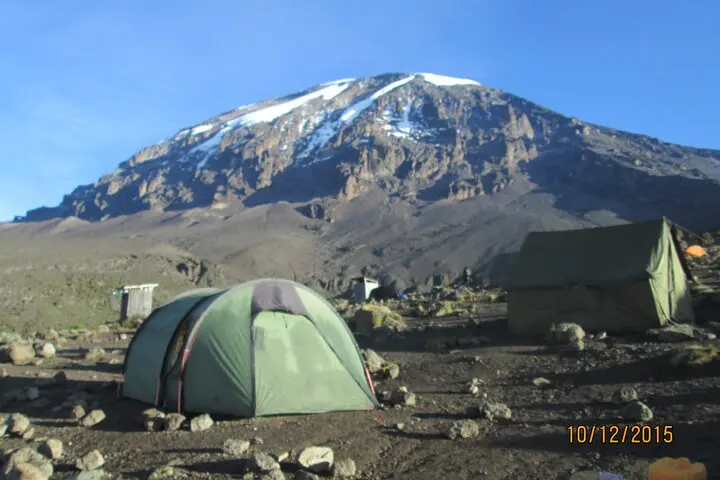
For photographers the rewards are layered: cloud forests, lunar-like alpine desert, the dramatic profile of Kibo at dawn. For planners, factor in two nights in Moshi before and after the climb to adjust, and schedule flights with flexible arrival times. The Machame Route is not technical, but it is demanding — it asks for stamina, patience, and respect for elevation. The payoff is straightforward: standing on Africa’s roof, with the continent spread beneath you and the taste of hard-won altitude in your lungs.
No technical climbing skills are required; the route is a high-altitude trek. Prior multi-day trekking experience and good fitness markedly improve your chances of summiting.
Acute Mountain Sickness is a real risk above 3,000 m; the Machame Route’s profile helps acclimatize, but listen to guides, hydrate, and descend if symptoms worsen.
Include a warm down jacket, insulated gloves, hat, thermal base layers, headlamp with fresh batteries, high-calorie snacks, and a windproof shell.
Most operators include guides, cook teams and porters; confirm porter wage and load limits, and that the company follows local porter welfare guidelines.
June–October and January–February offer the most stable weather windows; short rains (Nov) and long rains (Mar–May) increase mud and cloud cover.
Yes — Kilimanjaro National Park requires permits and park fees; reputable operators handle these inclusions with your booking.
Twende Africa Tours operates guided outdoor trips and adventures with an emphasis on safety, stewardship, and memorable experiences.
Night air on the lower slopes of Kilimanjaro smells of wet earth and coffee blossoms. At the trailhead, headlamps puncture a ribbon of cloud and the first porters tighten tent ropes like clockwork; within hours you’re moving uphill through rainforest, the trees pressing close until the world opens to moorland and then to a stone-scrub, wind-etched landscape that refuses to be small. The Machame Route — the Whisky Route — is a seven-day, tented circuit that trades the straight line of the hut-based Marangu path for staggered ascents that prioritise acclimatization and views.
Night air on the lower slopes of Kilimanjaro smells of wet earth and coffee blossoms. At the trailhead, headlamps puncture a ribbon of cloud and the first porters tighten tent ropes like clockwork; within hours you’re moving uphill through rainforest, the trees pressing close until the world opens to moorland and then to a stone-scrub, wind-etched landscape that refuses to be small. The Machame Route — the Whisky Route — is a seven-day, tented circuit that trades the straight line of the hut-based Marangu path for staggered ascents that prioritise acclimatization and views.
Geology and history are visible in layers: ancient volcanic flows make the broad Shira Plateau, jagged lava stacks rise near Lava Tower, and the last icy ribbons cling to the saddle of Kibo. The Chagga people have farmed the mountain’s lower slopes for generations; you pass terraced banana and coffee plots on the drive from Moshi to Machame Gate, a short journey that signals the transition from cultivated valley to national park wilderness. Kilimanjaro National Park was established in 1977; today its management balances permit systems and guide regulations to protect fragile alpine soils and the remaining glacier ice.
Culturally the climb is a group effort. Tanzanian guides, cook teams and porters set the tempo; their experience shapes success more than any checklist. Expect wet forest days, wind-scoured moorland, and the thin, cold air above 4,000 m that will govern your pacing. The summit push begins around midnight, a slow, step-by-step ascent up scree to Stella Point and then Uhuru Peak for sunrise — a classic high-altitude endurance day.
Practically: the itinerary spreads elevation gain across six nights — Machame, Shira, Barranco, Karanga, Barafu, Mweka — to give your body time to adjust. Each day varies from short, steep approaches to long, methodical crossings; pack gaiters and poles for muddy forest and loose scree. Hydration and calorie density matter: aim for 3–4 liters per day and carry salty snacks. Weather is changeable; temperatures range from warm in Moshi to well below freezing near the summit. Guides carry oxygen and basic first aid; choose an operator with clear porter care policies and a high summit success rate.
For photographers the rewards are layered: cloud forests, lunar-like alpine desert, the dramatic profile of Kibo at dawn. For planners, factor in two nights in Moshi before and after the climb to adjust, and schedule flights with flexible arrival times. The Machame Route is not technical, but it is demanding — it asks for stamina, patience, and respect for elevation. The payoff is straightforward: standing on Africa’s roof, with the continent spread beneath you and the taste of hard-won altitude in your lungs.