THE ADVENTURE COLLECTIVE® · Independent discovery and booking for outdoor travel

Move from cloud forest to crater rim on a private seven-day Machame ascent of Kilimanjaro. This itinerary balances acclimatization, experienced guides and mountain-side comforts to maximize summit odds.
Move from cloud forest to crater rim on a private seven-day Machame ascent of Kilimanjaro. This itinerary balances acclimatization, experienced guides and mountain-side comforts to maximize summit odds.
Dawn in Arusha smells of strong coffee and diesel; the van rolls out past banana plantations and small stone houses while the silhouette of Kibo grows from a distant gray to a hulking snow-capped presence. By the time the group reaches Machame Gate, the cloud forest feels like another world—moss-laden trunks, drips from lichen, and a hush that only a mountain can keep. Guides check permits, porters shoulder duffels, and the walk begins.
Verified experiences and guided adventures in the surrounding area.
Operated by Duma Explorer · Arusha, Arusha Region
Dawn in Arusha smells of strong coffee and diesel; the van rolls out past banana plantations and small stone houses while the silhouette of Kibo grows from a distant gray to a hulking snow-capped presence. By the time the group reaches Machame Gate, the cloud forest feels like another world—moss-laden trunks, drips from lichen, and a hush that only a mountain can keep. Guides check permits, porters shoulder duffels, and the walk begins.
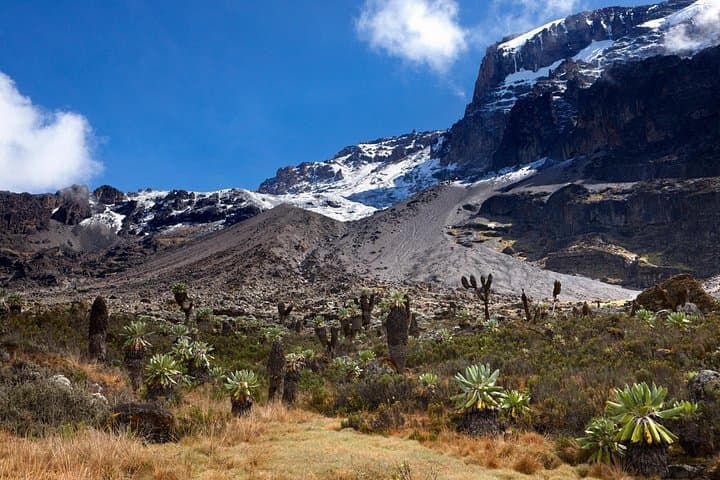
The Machame Route is an old favorite because it gives time to acclimatize while moving through a tight sequence of ecosystems: dense montane forest, moorland dotted with giant lobelia, high alpine desert, then the lunar crater rim. Geologically Kilimanjaro is a three-cone stratovolcano—Kibo, Mawenzi and Shira—its summit on Kibo formed by eruptions that sealed the Shira crater long ago. Culturally, the massif has long been central to the Chagga people who farm its lower slopes; along the road from Arusha you’ll pass coffee terraces and small villages where the rhythms of daily life continue against the mountain’s backdrop.
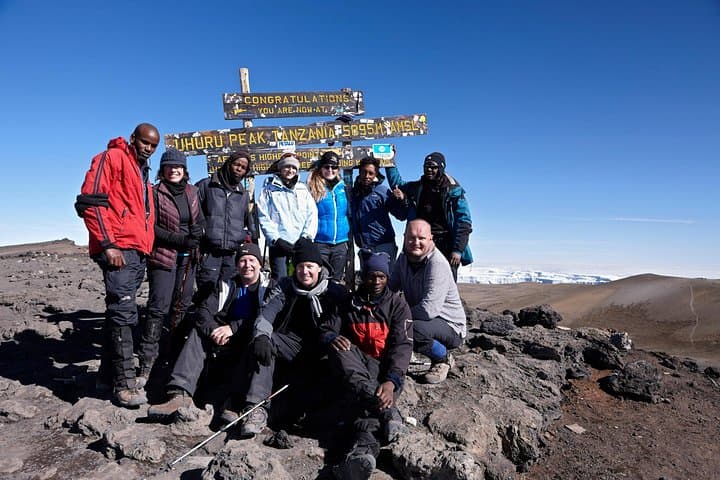
Each day of this private seven-day itinerary is designed around steady gains and rest: Machame Camp under canopy, the wide Shira Plateau that hints at Kibo’s lava history, the dramatic Barranco Wall scramble that tests lungs and focus, a terse alpine stretch to Barafu, and the midnight push to Uhuru Peak. Barranco Camp is singled out by guides for its other-worldly plant life and the way the valley catches the afternoon light. The summit day is less about technical climbing and more about managing altitude—moving slowly from Barafu to Stella Point and then the gradual rise to Uhuru, the roof of Africa.
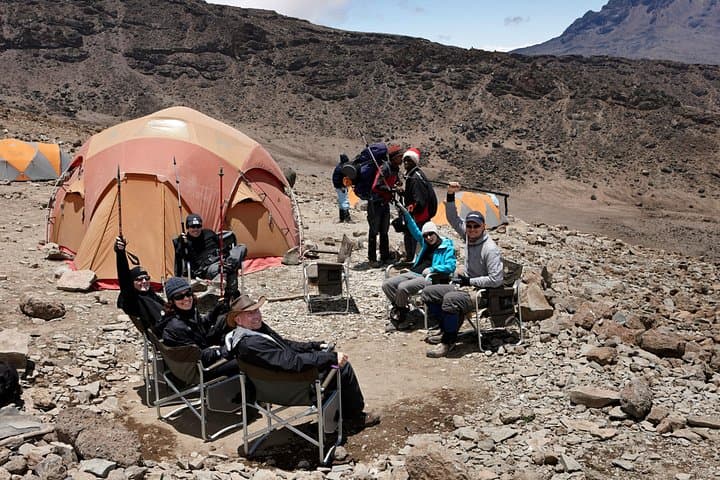
Practical planning matters here. Expect long days—four to eight hours of hiking on most days—and one very long summit night. The company provides Mountain Hardwear tents and experienced cooks and porters, which eases logistics, but participants must arrive fit and well-rested. Hydration, layers, and a paced approach to altitude are the practical levers that make success likely.
For travelers, aim for the mountain’s dry windows (January–March, June–October) and budget a rest day in Arusha before and after the trek. Bring a down jacket, a warm sleeping bag rated to at least -10°C, and boots that are already broken in. Respect local staff—tipping is customary—and follow Leave No Trace: Kili’s glaciers are retreating and the route depends on continued conservation and responsible tourism.
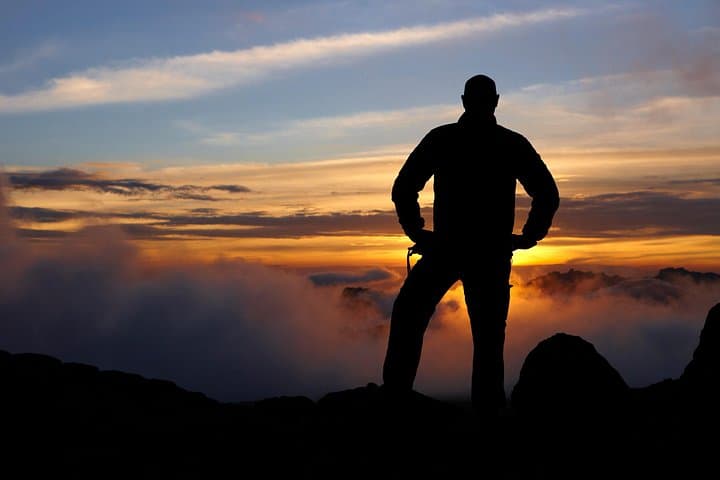
On this private Machame climb you don’t just summit a peak; you move through a living vertical atlas where geology, ecology, and human life are stacked one on top of another. The payoff—sunrise from Uhuru Peak and the slow, savored descent back into forest—is unequivocal.
You should have solid cardio fitness—regular hiking, running or cycling—and experience with long days carrying a light pack; the route is non-technical but physically demanding.
No ropes or technical ice gear are required on the Machame route; crampons are generally not needed for the standard season but can be useful if there is heavy snow.
The itinerary includes guide and porter support, meals on the mountain, tents and sleeping setup, and park fees as outlined; check the booking link for full inclusions.
The main dry seasons are January–March and June–October; these windows typically offer more stable weather and clearer summit conditions.
The Machame itinerary staggers altitude gain over seven days—ascending and sleeping lower where possible—to help the body adapt and reduce altitude sickness risk.
Tipping is customary—budget roughly $200–$300 per climber for the crew, distributed among guides, cooks and porters according to the operator’s guidance.
Duma Explorer operates guided outdoor trips and adventures with an emphasis on safety, stewardship, and memorable experiences.
Dawn in Arusha smells of strong coffee and diesel; the van rolls out past banana plantations and small stone houses while the silhouette of Kibo grows from a distant gray to a hulking snow-capped presence. By the time the group reaches Machame Gate, the cloud forest feels like another world—moss-laden trunks, drips from lichen, and a hush that only a mountain can keep. Guides check permits, porters shoulder duffels, and the walk begins.
Dawn in Arusha smells of strong coffee and diesel; the van rolls out past banana plantations and small stone houses while the silhouette of Kibo grows from a distant gray to a hulking snow-capped presence. By the time the group reaches Machame Gate, the cloud forest feels like another world—moss-laden trunks, drips from lichen, and a hush that only a mountain can keep. Guides check permits, porters shoulder duffels, and the walk begins.
The Machame Route is an old favorite because it gives time to acclimatize while moving through a tight sequence of ecosystems: dense montane forest, moorland dotted with giant lobelia, high alpine desert, then the lunar crater rim. Geologically Kilimanjaro is a three-cone stratovolcano—Kibo, Mawenzi and Shira—its summit on Kibo formed by eruptions that sealed the Shira crater long ago. Culturally, the massif has long been central to the Chagga people who farm its lower slopes; along the road from Arusha you’ll pass coffee terraces and small villages where the rhythms of daily life continue against the mountain’s backdrop.
Each day of this private seven-day itinerary is designed around steady gains and rest: Machame Camp under canopy, the wide Shira Plateau that hints at Kibo’s lava history, the dramatic Barranco Wall scramble that tests lungs and focus, a terse alpine stretch to Barafu, and the midnight push to Uhuru Peak. Barranco Camp is singled out by guides for its other-worldly plant life and the way the valley catches the afternoon light. The summit day is less about technical climbing and more about managing altitude—moving slowly from Barafu to Stella Point and then the gradual rise to Uhuru, the roof of Africa.
Practical planning matters here. Expect long days—four to eight hours of hiking on most days—and one very long summit night. The company provides Mountain Hardwear tents and experienced cooks and porters, which eases logistics, but participants must arrive fit and well-rested. Hydration, layers, and a paced approach to altitude are the practical levers that make success likely.
For travelers, aim for the mountain’s dry windows (January–March, June–October) and budget a rest day in Arusha before and after the trek. Bring a down jacket, a warm sleeping bag rated to at least -10°C, and boots that are already broken in. Respect local staff—tipping is customary—and follow Leave No Trace: Kili’s glaciers are retreating and the route depends on continued conservation and responsible tourism.
On this private Machame climb you don’t just summit a peak; you move through a living vertical atlas where geology, ecology, and human life are stacked one on top of another. The payoff—sunrise from Uhuru Peak and the slow, savored descent back into forest—is unequivocal.