THE ADVENTURE COLLECTIVE® · Independent discovery and booking for outdoor travel

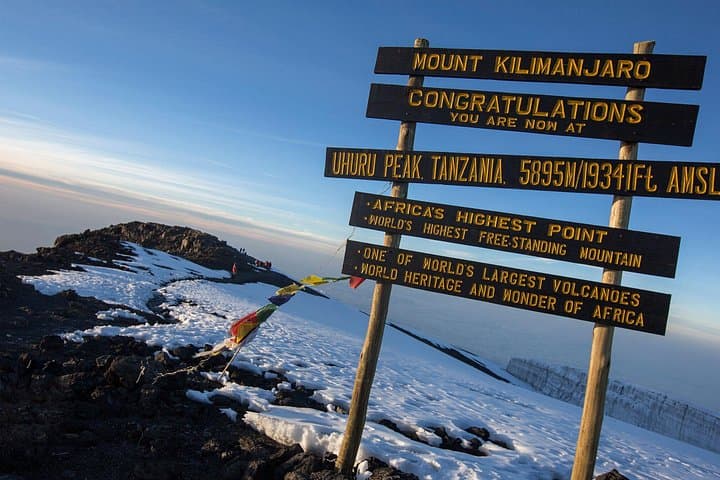
A seven-day Machame Route ascent takes you from rainforest to alpine desert, finishing at Uhuru Peak via Stella Point. This guide outlines what to expect—terrain, timing, and practical tips to prepare for altitude and summit night.
A seven-day Machame Route ascent takes you from rainforest to alpine desert, finishing at Uhuru Peak via Stella Point. This guide outlines what to expect—terrain, timing, and practical tips to prepare for altitude and summit night.
Dawn breaks low over the rainforest as porters shoulder canvas and stoves at Machame Gate, the first human heartbeat on a week-long ascent of Kilimanjaro's southern flank. The trail immediately climbs into wet, green forest; moss drips from giant lobelias and the air tastes like earth and rain. By the second day the canopy opens to moorland and wide views where Kibo's black volcanic flank dominates the horizon.
Verified experiences and guided adventures in the surrounding area.
Operated by Sabilom Kenya Tours & Safaris · Moshi, Kilimanjaro Region
Dawn breaks low over the rainforest as porters shoulder canvas and stoves at Machame Gate, the first human heartbeat on a week-long ascent of Kilimanjaro's southern flank. The trail immediately climbs into wet, green forest; moss drips from giant lobelias and the air tastes like earth and rain. By the second day the canopy opens to moorland and wide views where Kibo's black volcanic flank dominates the horizon.
Kilimanjaro is a free-standing stratovolcano formed by successive basalt and phonolite eruptions; its glaciers now sit atop a broad crater rim where Stella Point marks the sunrise line before Uhuru Peak. The mountain sits within Chagga country—local guides, many from nearby Moshi, carry both practical knowledge and cultural memory of the slopes.
Expect varied terrain: muddy, root-strewn rainforest paths; tussock and heather moorlands; rocky scree on the final push. Altitude drives the timetable—machame's 7-day profile deliberately climbs high and sleeps lower to aid acclimatization. Summit nights start around midnight and switch you from patient hiking to steady, steep slogging for 4–7 hours on loose scree.
Practical edge: layer for wide temperature swings, prioritize sleep and hydration, and accept a slow but steady pace—guides and porters manage camp logistics so climbers can conserve energy. Choose shoulder seasons (March–June, Oct–Nov) for fewer crowds and more stable weather. If you want the sunrise at Stella Point, plan for long nights, short days, and a resolute pair of legs.
Machame is considered challenging due to altitude and terrain rather than technical climbing; the 7-day itinerary gives good acclimatization but requires stamina and proper pacing.
Shoulder months (March–June) and the short rains (October–November) balance fewer crowds and reasonable weather; July–September are dry but busier and colder.
No technical gear is required for the Machame Route; crampons and ice axes are unnecessary on standard routes, though warm layers and walking poles are essential.
Good acclimatization, steady pacing, adequate sleep before summit night, and proper layering to prevent hypothermia during the pre-dawn push.
Sabilom Kenya Tours & Safaris operates guided outdoor trips and adventures with an emphasis on safety, stewardship, and memorable experiences.

Dawn breaks low over the rainforest as porters shoulder canvas and stoves at Machame Gate, the first human heartbeat on a week-long ascent of Kilimanjaro's southern flank. The trail immediately climbs into wet, green forest; moss drips from giant lobelias and the air tastes like earth and rain. By the second day the canopy opens to moorland and wide views where Kibo's black volcanic flank dominates the horizon.
Dawn breaks low over the rainforest as porters shoulder canvas and stoves at Machame Gate, the first human heartbeat on a week-long ascent of Kilimanjaro's southern flank. The trail immediately climbs into wet, green forest; moss drips from giant lobelias and the air tastes like earth and rain. By the second day the canopy opens to moorland and wide views where Kibo's black volcanic flank dominates the horizon.
Kilimanjaro is a free-standing stratovolcano formed by successive basalt and phonolite eruptions; its glaciers now sit atop a broad crater rim where Stella Point marks the sunrise line before Uhuru Peak. The mountain sits within Chagga country—local guides, many from nearby Moshi, carry both practical knowledge and cultural memory of the slopes.
Expect varied terrain: muddy, root-strewn rainforest paths; tussock and heather moorlands; rocky scree on the final push. Altitude drives the timetable—machame's 7-day profile deliberately climbs high and sleeps lower to aid acclimatization. Summit nights start around midnight and switch you from patient hiking to steady, steep slogging for 4–7 hours on loose scree.
Practical edge: layer for wide temperature swings, prioritize sleep and hydration, and accept a slow but steady pace—guides and porters manage camp logistics so climbers can conserve energy. Choose shoulder seasons (March–June, Oct–Nov) for fewer crowds and more stable weather. If you want the sunrise at Stella Point, plan for long nights, short days, and a resolute pair of legs.