THE ADVENTURE COLLECTIVE® · Independent discovery and booking for outdoor travel

Trek the Machame Route over seven days to Uhuru Peak, passing rainforest, alpine desert, and glacial ridgelines. This guide covers what to expect—terrain, acclimatization strategy, and practical gear and timing tips to improve your summit chances.
Trek the Machame Route over seven days to Uhuru Peak, passing rainforest, alpine desert, and glacial ridgelines. This guide covers what to expect—terrain, acclimatization strategy, and practical gear and timing tips to improve your summit chances.
You stand at Machame Gate beneath a canopy of verdant rainforest, the air cool and full of bird calls. Ahead the trail climbs, trading moss-draped trunks for heather and then the stark, wind-swept ridgelines of the alpine desert. Each camp is a milestone: Shira’s broad plateau, the jagged silhouette of Lava Tower, the scramble up the Barranco Wall, and Barafu’s tight rings of tents before the midnight push to Uhuru Peak.
Verified experiences and guided adventures in the surrounding area.
Operated by PINNACLE ADVENTURES & SAFARIS LTD. · Moshi, Kilimanjaro Region
You stand at Machame Gate beneath a canopy of verdant rainforest, the air cool and full of bird calls. Ahead the trail climbs, trading moss-draped trunks for heather and then the stark, wind-swept ridgelines of the alpine desert. Each camp is a milestone: Shira’s broad plateau, the jagged silhouette of Lava Tower, the scramble up the Barranco Wall, and Barafu’s tight rings of tents before the midnight push to Uhuru Peak.
Geology and history are visible in every step—the mountain is a dormant stratovolcano whose glaciers and volcanic shoulders shaped the high plains. Hans Meyer and Ludwig Purtscheller recorded the first confirmed ascent in 1889; today the route carries a mix of local guides, porters, and international trekkers. Machame’s value is acclimatization: the route gains and loses elevation to give your body time to adapt, improving summit odds.
Expect changing terrain and weather: rainforest roots and slick mud low down, rocky moraines and scree above 4,000m, and thin air on summit night. Cultural touches appear in Moshi and in camps—local guides prepare communal meals and share stories of the Chagga people who farm the mountain’s lower slopes.
Practical guidance: train on long uphill hikes with a loaded pack, prioritize layered clothing and a reliable headlamp, and plan your summit for a clear night window. Hydrate steadily—altitude, not thirst, will trick you. Move deliberately on the summit push; pacing, warm layers, and a slow step count are as essential as crampons are not—they’re not required on the normal Machame route. Book with operators who provide emergency oxygen, qualified guides, and fair wages for porters to ensure a safe, ethical climb.
Success varies by fitness, acclimatization, and weather—typical guided success rates range 60–90% depending on operator and conditions.
Most reputable Machame packages include Kilimanjaro National Park fees, guide and porter wages, camping equipment, and meals—confirm details with your operator.
No technical ice-climbing gear is required for the Machame Route; crampons are generally unnecessary on the normal route, but warm gloves and gaiters are recommended.
January–March and June–October offer the most reliable weather windows; short rains in November and long rains in April–May make trails wetter and visibility poorer.
PINNACLE ADVENTURES & SAFARIS LTD. operates guided outdoor trips and adventures with an emphasis on safety, stewardship, and memorable experiences.
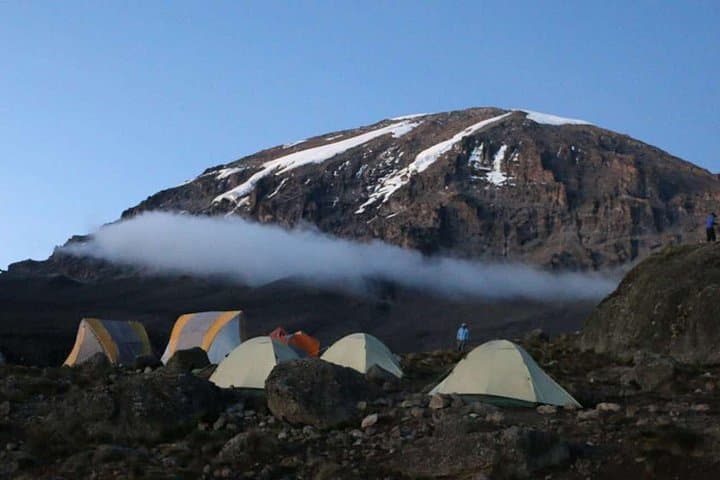
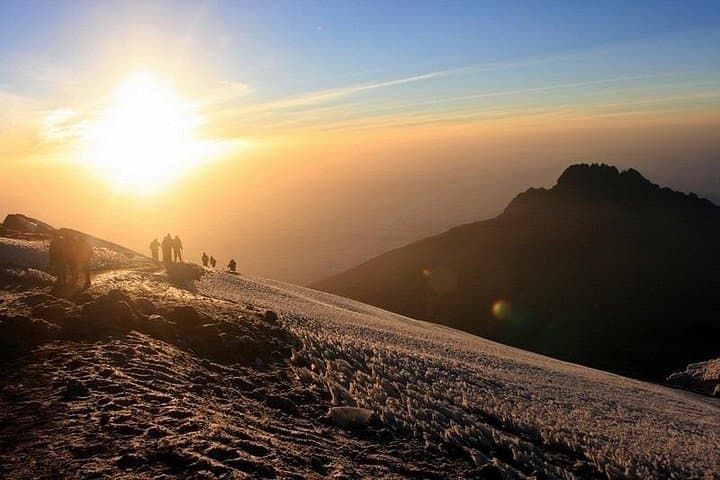

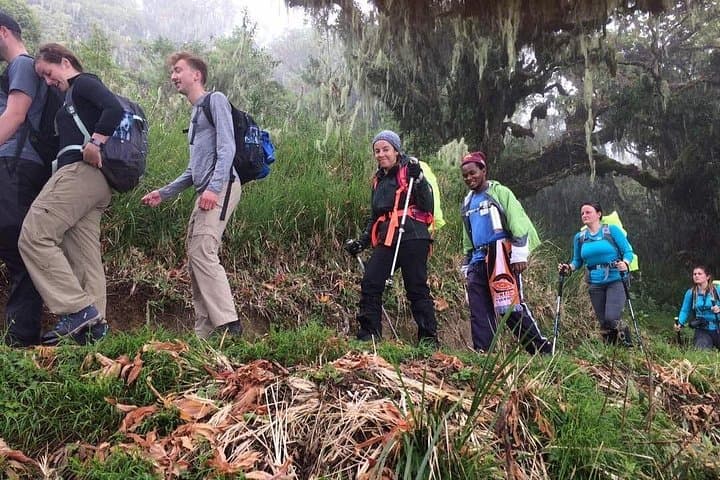
You stand at Machame Gate beneath a canopy of verdant rainforest, the air cool and full of bird calls. Ahead the trail climbs, trading moss-draped trunks for heather and then the stark, wind-swept ridgelines of the alpine desert. Each camp is a milestone: Shira’s broad plateau, the jagged silhouette of Lava Tower, the scramble up the Barranco Wall, and Barafu’s tight rings of tents before the midnight push to Uhuru Peak.
You stand at Machame Gate beneath a canopy of verdant rainforest, the air cool and full of bird calls. Ahead the trail climbs, trading moss-draped trunks for heather and then the stark, wind-swept ridgelines of the alpine desert. Each camp is a milestone: Shira’s broad plateau, the jagged silhouette of Lava Tower, the scramble up the Barranco Wall, and Barafu’s tight rings of tents before the midnight push to Uhuru Peak.
Geology and history are visible in every step—the mountain is a dormant stratovolcano whose glaciers and volcanic shoulders shaped the high plains. Hans Meyer and Ludwig Purtscheller recorded the first confirmed ascent in 1889; today the route carries a mix of local guides, porters, and international trekkers. Machame’s value is acclimatization: the route gains and loses elevation to give your body time to adapt, improving summit odds.
Expect changing terrain and weather: rainforest roots and slick mud low down, rocky moraines and scree above 4,000m, and thin air on summit night. Cultural touches appear in Moshi and in camps—local guides prepare communal meals and share stories of the Chagga people who farm the mountain’s lower slopes.
Practical guidance: train on long uphill hikes with a loaded pack, prioritize layered clothing and a reliable headlamp, and plan your summit for a clear night window. Hydrate steadily—altitude, not thirst, will trick you. Move deliberately on the summit push; pacing, warm layers, and a slow step count are as essential as crampons are not—they’re not required on the normal Machame route. Book with operators who provide emergency oxygen, qualified guides, and fair wages for porters to ensure a safe, ethical climb.