THE ADVENTURE COLLECTIVE® · Independent discovery and booking for outdoor travel

A seven-day guided climb up the Machame Route offers deliberate acclimatization, dramatic habitat change from rainforest to alpine desert, and a midnight summit push to Uhuru Peak. This guide explains what to expect on trail, practical preparations, and local insights to improve your chance of success.
A seven-day guided climb up the Machame Route offers deliberate acclimatization, dramatic habitat change from rainforest to alpine desert, and a midnight summit push to Uhuru Peak. This guide explains what to expect on trail, practical preparations, and local insights to improve your chance of success.
You begin before dawn in Moshi, coffee steam trailing from roadside stalls as a minibus threads toward the rainforest belt of Kilimanjaro National Park. The Machame Gate register blinks awake and the trail swallows your first steps—mud that grips your boots, vines that sweep the path, the forest breathing around you. Over seven days the mountain changes its mood: rainforest gives way to heather and moorland, then a stark alpine desert that seems to dare you higher.
Verified experiences and guided adventures in the surrounding area.
Operated by Williamson Adventures · Moshi, Kilimanjaro Region
You begin before dawn in Moshi, coffee steam trailing from roadside stalls as a minibus threads toward the rainforest belt of Kilimanjaro National Park. The Machame Gate register blinks awake and the trail swallows your first steps—mud that grips your boots, vines that sweep the path, the forest breathing around you. Over seven days the mountain changes its mood: rainforest gives way to heather and moorland, then a stark alpine desert that seems to dare you higher.
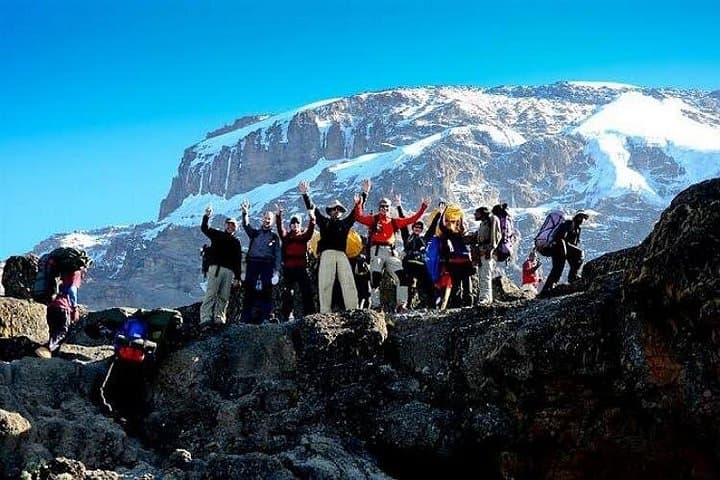
Geology and history live in every switchback. Kilimanjaro is a composite of three volcanic cones—Shira, Mawenzi and Kibo—whose collapsed calderas and ancient lava fields shape the Machame Route. The trail climbs along the flank of Kibo, the sleeping cone whose summit glacier, though retreating, still crowns Uhuru Peak. The Chagga people, longtime occupants of the lower slopes, shaped local agriculture and coffee terraces you'll pass on the first day; porters and guides—many drawn from Chagga and surrounding communities—are integral to any summit bid and to the mountain’s modern climbing culture.
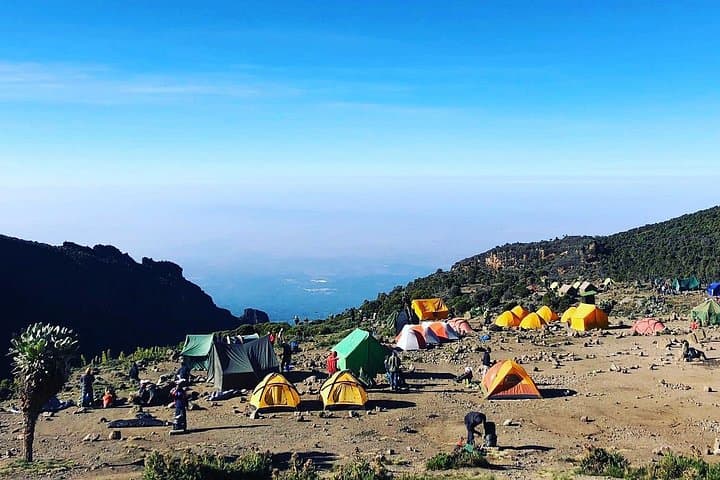
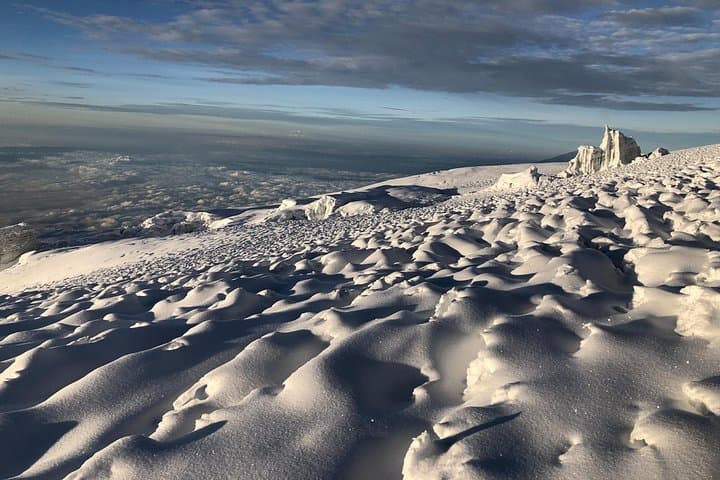
The itinerary is deliberately paced for acclimatization: Machame Gate (1,800m) to Machame Camp (3,000m) on day one; a climb across the Shira Plateau and a high-altitude day around Lava Tower for acclimatization; a steep final push from Barafu Camp (4,600m) to Uhuru Peak (5,895m) that begins at midnight and finishes with sunrise at Stella Point. Terrain shifts from packed-soil rainforest trails to scree slopes where each step either propels you upward or slides back down. Elevation gains on key days: ~1,200m on day one, ~840m to Shira, and the decisive 1,295m from Barafu to Uhuru.
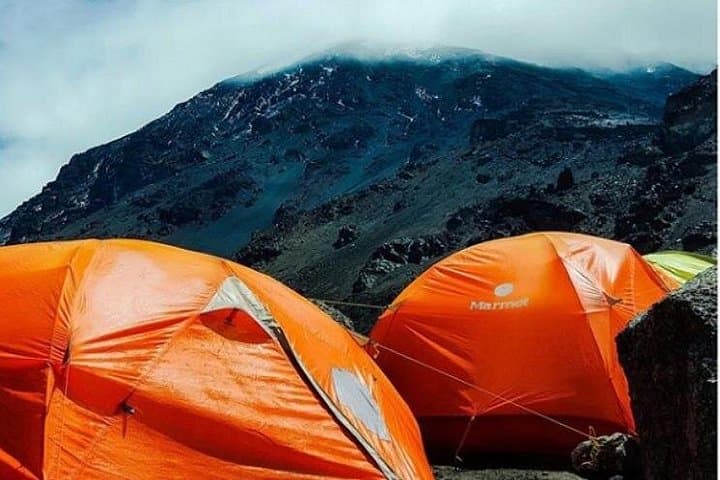
Practical guidance: treat this as a high-altitude expedition, not a hike. Hydration and slow pacing matter more than speed. Use the ‘‘climb high, sleep low’’ days to give your body a real chance to adapt; the itinerary does this intentionally. Weather can turn sharply—daytime sun can feel fierce on the plateau while nights at camp commonly drop below freezing. Porters carry the heavy loads; limit your daypack to essentials and keep a small, warm layering system for summit night.
On return, you’ll descend through rainforest to Mweka Gate, where certificates are handed out and the mountain’s mood relaxes into green lowlands. For planning: allow extra days in Moshi before or after the climb to rest and arrange gear; ensure your travel insurance covers high-altitude rescue; and budget for tips—porters, cooks and guides depend on them. The Machame Route rewards patience: push respectfully, breathe deliberately, and the mountain will concede views you’ll remember for a lifetime.
Machame has one of the higher success rates because the itinerary allows for acclimatization, but success depends on fitness, acclimatization response and weather.
Prior experience is strongly recommended; the route exposes you to rapid altitude gain above 4,000m where symptoms can occur.
Inclusions vary by operator; this itinerary indicates fees and permits are covered as part of the booking—confirm at booking time.
Guides and porters rely on tips—budget roughly $150–$250 per client total, distributed among team members depending on the group's size and service.
June–October is the most reliable window for stable weather; January–February is also reasonable. Short rains in March–May and long rains in November can complicate the trek.
There are medical and fitness restrictions; it’s not recommended for those with serious heart or spinal issues, or for pregnant travelers.
Williamson Adventures operates guided outdoor trips and adventures with an emphasis on safety, stewardship, and memorable experiences.
You begin before dawn in Moshi, coffee steam trailing from roadside stalls as a minibus threads toward the rainforest belt of Kilimanjaro National Park. The Machame Gate register blinks awake and the trail swallows your first steps—mud that grips your boots, vines that sweep the path, the forest breathing around you. Over seven days the mountain changes its mood: rainforest gives way to heather and moorland, then a stark alpine desert that seems to dare you higher.
You begin before dawn in Moshi, coffee steam trailing from roadside stalls as a minibus threads toward the rainforest belt of Kilimanjaro National Park. The Machame Gate register blinks awake and the trail swallows your first steps—mud that grips your boots, vines that sweep the path, the forest breathing around you. Over seven days the mountain changes its mood: rainforest gives way to heather and moorland, then a stark alpine desert that seems to dare you higher.
Geology and history live in every switchback. Kilimanjaro is a composite of three volcanic cones—Shira, Mawenzi and Kibo—whose collapsed calderas and ancient lava fields shape the Machame Route. The trail climbs along the flank of Kibo, the sleeping cone whose summit glacier, though retreating, still crowns Uhuru Peak. The Chagga people, longtime occupants of the lower slopes, shaped local agriculture and coffee terraces you'll pass on the first day; porters and guides—many drawn from Chagga and surrounding communities—are integral to any summit bid and to the mountain’s modern climbing culture.
The itinerary is deliberately paced for acclimatization: Machame Gate (1,800m) to Machame Camp (3,000m) on day one; a climb across the Shira Plateau and a high-altitude day around Lava Tower for acclimatization; a steep final push from Barafu Camp (4,600m) to Uhuru Peak (5,895m) that begins at midnight and finishes with sunrise at Stella Point. Terrain shifts from packed-soil rainforest trails to scree slopes where each step either propels you upward or slides back down. Elevation gains on key days: ~1,200m on day one, ~840m to Shira, and the decisive 1,295m from Barafu to Uhuru.
Practical guidance: treat this as a high-altitude expedition, not a hike. Hydration and slow pacing matter more than speed. Use the ‘‘climb high, sleep low’’ days to give your body a real chance to adapt; the itinerary does this intentionally. Weather can turn sharply—daytime sun can feel fierce on the plateau while nights at camp commonly drop below freezing. Porters carry the heavy loads; limit your daypack to essentials and keep a small, warm layering system for summit night.
On return, you’ll descend through rainforest to Mweka Gate, where certificates are handed out and the mountain’s mood relaxes into green lowlands. For planning: allow extra days in Moshi before or after the climb to rest and arrange gear; ensure your travel insurance covers high-altitude rescue; and budget for tips—porters, cooks and guides depend on them. The Machame Route rewards patience: push respectfully, breathe deliberately, and the mountain will concede views you’ll remember for a lifetime.