THE ADVENTURE COLLECTIVE® · Independent discovery and booking for outdoor travel

Trek the Machame route over seven days from Arusha and ascend to Uhuru Peak on Kilimanjaro. This route threads rainforest, moorland and alpine desert—designed for acclimatization and dramatic views.
Trek the Machame route over seven days from Arusha and ascend to Uhuru Peak on Kilimanjaro. This route threads rainforest, moorland and alpine desert—designed for acclimatization and dramatic views.
Dawn in Arusha arrives as a simmering promise: drivers, guides and porters load gear while the silhouette of Kilimanjaro sits like a slow-moving weather system on the horizon. By midmorning you’ll leave paved roads behind and step into the mountain’s first mood—wet, green and insistently alive. The Machame route begins in rainforest where roots pry at your boots and sunbeams fight their way through mist; over seven days the landscape will change its posture from brooding forest to heather moorland, then alpine desert and a final, wind-scoured summit ringed by ancient glaciers.
Verified experiences and guided adventures in the surrounding area.
Operated by Climb Kili · Arusha, Arusha Region
Dawn in Arusha arrives as a simmering promise: drivers, guides and porters load gear while the silhouette of Kilimanjaro sits like a slow-moving weather system on the horizon. By midmorning you’ll leave paved roads behind and step into the mountain’s first mood—wet, green and insistently alive. The Machame route begins in rainforest where roots pry at your boots and sunbeams fight their way through mist; over seven days the landscape will change its posture from brooding forest to heather moorland, then alpine desert and a final, wind-scoured summit ringed by ancient glaciers.
Kilimanjaro is a compound volcano dominated by Kibo and its twin Mawenzi, a geological giant built from successive eruptions millions of years ago. European explorers recorded the first documented ascent of the summit in 1889, but the mountain’s slopes are older still—home to Chagga communities who long managed trails and cultivated the fertile foothills. The Machame route, favored for its scenic variety and higher acclimatization profile, snakes up ridges, crosses dry river gorges and offers close views of the lava-strewn Shira Plateau and the dramatic Barranco Wall.
Expect real contrasts: Colobus monkeys darting through low canopy give way to the giant lobelias and groundsel of the moorland, and then to a lunar expanse where wind has a personality—sharp, impatient, and frigid. The summit push is a midnight affair: a careful, deliberate ascent through loose scree to Stella Point and the short final ridge to Uhuru Peak (5,895 m). That sunrise—when the crater rim lights and the glaciers at once retreat and glitter—reminds you why the effort matters.
Practical matters are straightforward but uncompromising. Daily distances on this itinerary range from roughly 3 to 13 miles (5–21 km); elevation moves from about 1,645 m at Mweka to 5,895 m at Uhuru. Hiking time varies—plan for 4–8 hours most days and a 6–7 hour summit ascent. Proper acclimatization is built into the schedule: the Lava Tower and a long descent to Barranco Camp are purposeful rests. Bring layered clothing for temperature swings, well-broken-in mountaineering boots, and a sleeping bag rated to at least −10°C; gaiters and trekking poles are highly recommended for steep, muddy sections.
On logistics: the company collects from Arusha hotels, provides meals (eight breakfasts through dinner), tents and experienced guides and cooks. Respect porter welfare—pack only what’s specified and tip according to local guidelines. Weather can change fast; carry headlamp batteries, extra water treatment, and a positive headspace. With a solid fitness base and attention to acclimatization, the Machame route is the most cinematic way to stand on Africa’s roof.
Dry seasons—January–March and July–October—offer more stable weather and clearer summit views, though Kilimanjaro can be climbed year-round with variable conditions.
No technical experience is required, but previous multiday trekking and good cardio conditioning make acclimatization and the summit push more manageable.
This tour provides communal camping tents, cooked meals (breakfast, lunch, dinner) and snacks; guides and cooks prepare hot meals each evening and breakfast before departures.
Acute mountain sickness is possible; the itinerary includes acclimatization days and a slow summit approach—monitor symptoms and follow guide instructions for descent if needed.
Expect a midnight start with 6–7 hours ascending to Stella Point and Uhuru, followed by a 4–6 hour descent to lower camps—prepare for a 10–14 hour day overall.
Yes—tipping is customary and helps support local mountain crews; follow supplier guidelines for recommended amounts per person.
Climb Kili operates guided outdoor trips and adventures with an emphasis on safety, stewardship, and memorable experiences.
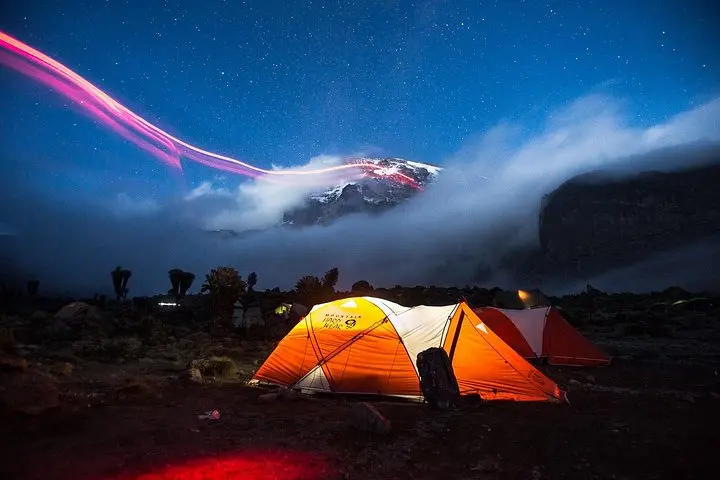
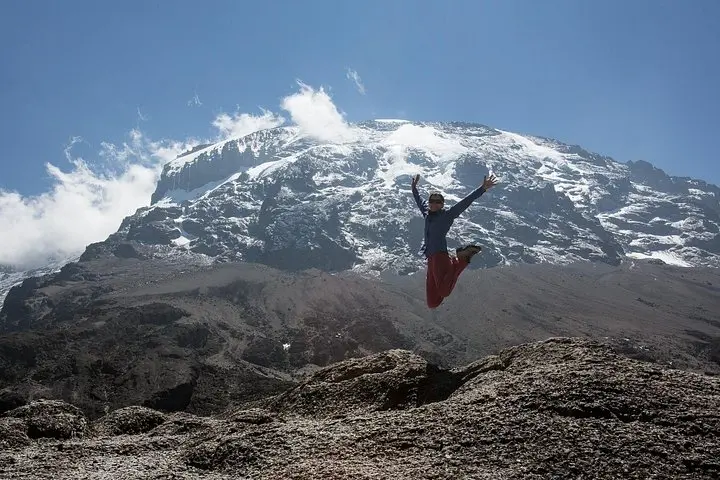
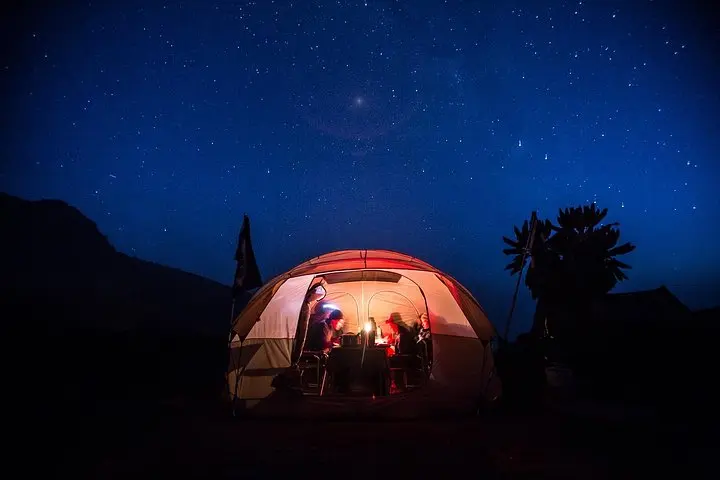
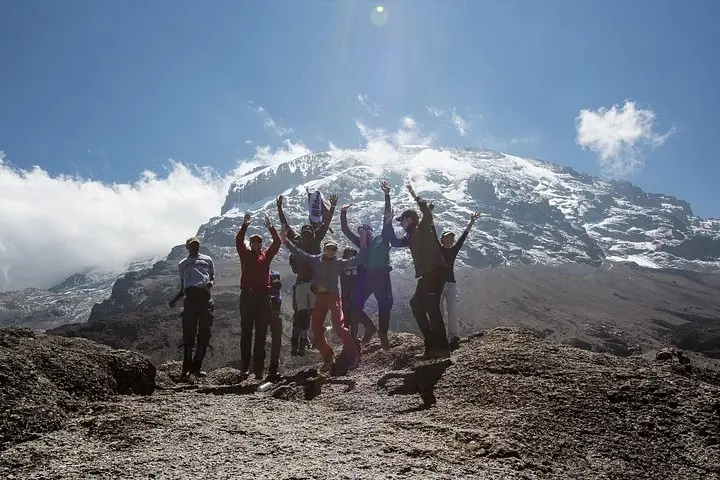
Dawn in Arusha arrives as a simmering promise: drivers, guides and porters load gear while the silhouette of Kilimanjaro sits like a slow-moving weather system on the horizon. By midmorning you’ll leave paved roads behind and step into the mountain’s first mood—wet, green and insistently alive. The Machame route begins in rainforest where roots pry at your boots and sunbeams fight their way through mist; over seven days the landscape will change its posture from brooding forest to heather moorland, then alpine desert and a final, wind-scoured summit ringed by ancient glaciers.
Dawn in Arusha arrives as a simmering promise: drivers, guides and porters load gear while the silhouette of Kilimanjaro sits like a slow-moving weather system on the horizon. By midmorning you’ll leave paved roads behind and step into the mountain’s first mood—wet, green and insistently alive. The Machame route begins in rainforest where roots pry at your boots and sunbeams fight their way through mist; over seven days the landscape will change its posture from brooding forest to heather moorland, then alpine desert and a final, wind-scoured summit ringed by ancient glaciers.
Kilimanjaro is a compound volcano dominated by Kibo and its twin Mawenzi, a geological giant built from successive eruptions millions of years ago. European explorers recorded the first documented ascent of the summit in 1889, but the mountain’s slopes are older still—home to Chagga communities who long managed trails and cultivated the fertile foothills. The Machame route, favored for its scenic variety and higher acclimatization profile, snakes up ridges, crosses dry river gorges and offers close views of the lava-strewn Shira Plateau and the dramatic Barranco Wall.
Expect real contrasts: Colobus monkeys darting through low canopy give way to the giant lobelias and groundsel of the moorland, and then to a lunar expanse where wind has a personality—sharp, impatient, and frigid. The summit push is a midnight affair: a careful, deliberate ascent through loose scree to Stella Point and the short final ridge to Uhuru Peak (5,895 m). That sunrise—when the crater rim lights and the glaciers at once retreat and glitter—reminds you why the effort matters.
Practical matters are straightforward but uncompromising. Daily distances on this itinerary range from roughly 3 to 13 miles (5–21 km); elevation moves from about 1,645 m at Mweka to 5,895 m at Uhuru. Hiking time varies—plan for 4–8 hours most days and a 6–7 hour summit ascent. Proper acclimatization is built into the schedule: the Lava Tower and a long descent to Barranco Camp are purposeful rests. Bring layered clothing for temperature swings, well-broken-in mountaineering boots, and a sleeping bag rated to at least −10°C; gaiters and trekking poles are highly recommended for steep, muddy sections.
On logistics: the company collects from Arusha hotels, provides meals (eight breakfasts through dinner), tents and experienced guides and cooks. Respect porter welfare—pack only what’s specified and tip according to local guidelines. Weather can change fast; carry headlamp batteries, extra water treatment, and a positive headspace. With a solid fitness base and attention to acclimatization, the Machame route is the most cinematic way to stand on Africa’s roof.