THE ADVENTURE COLLECTIVE® · Independent discovery and booking for outdoor travel

The Machame Route is a seven-day climb that threads Kilimanjaro’s ecosystems from mossy cloud forest to glacier rim. This guide explains what to expect day-by-day, the terrain and elevation, and key planning tips to reach Uhuru Peak.
The Machame Route is a seven-day climb that threads Kilimanjaro’s ecosystems from mossy cloud forest to glacier rim. This guide explains what to expect day-by-day, the terrain and elevation, and key planning tips to reach Uhuru Peak.
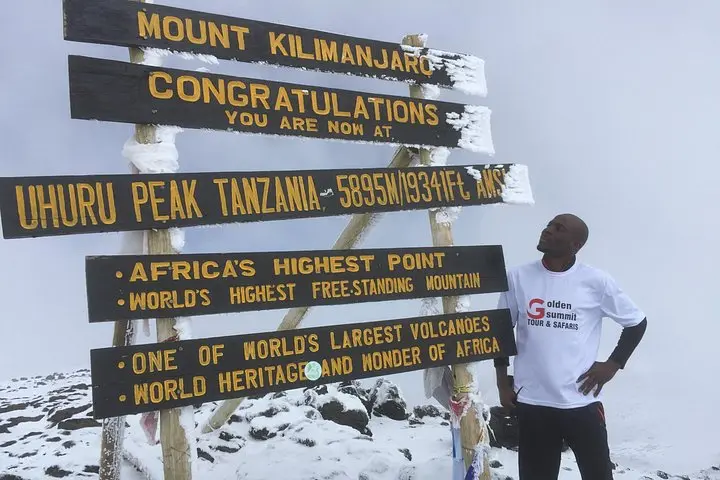
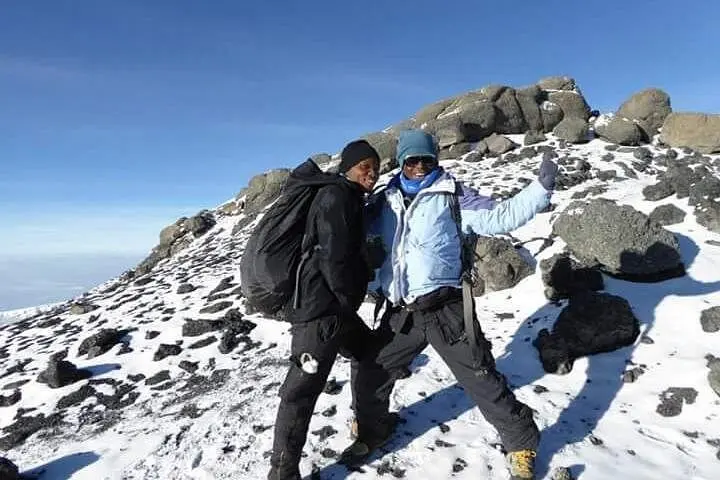
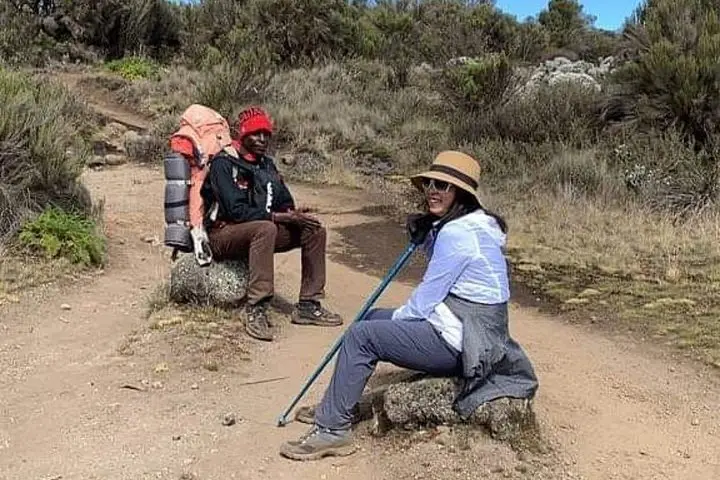
On the first morning, Moshi slips away beneath a lattice of eucalyptus and farmland and the trail pinches into a damp corridor of cloud forest. Rain beads on lobelia leaves and the air smells of wet earth; porters move with practiced rhythm, canvas frames and sleeping mats balanced like ships at sea. Over seven days the Machame Route pulls you through five distinct bands of ecosystem—forest, heath, moorland, alpine desert, and finally the glacier-scoured rim above 5,700 meters—until dawn finds you on Stella Point and the sun lifts Uhuru Peak into sharp relief.
Verified experiences and guided adventures in the surrounding area.
Operated by Golden Summit Adventures · Moshi, Kilimanjaro Region
On the first morning, Moshi slips away beneath a lattice of eucalyptus and farmland and the trail pinches into a damp corridor of cloud forest. Rain beads on lobelia leaves and the air smells of wet earth; porters move with practiced rhythm, canvas frames and sleeping mats balanced like ships at sea. Over seven days the Machame Route pulls you through five distinct bands of ecosystem—forest, heath, moorland, alpine desert, and finally the glacier-scoured rim above 5,700 meters—until dawn finds you on Stella Point and the sun lifts Uhuru Peak into sharp relief.
Machame is favored because of its profile: steep days that climb high then drop low to sleep, a proven acclimatization strategy that raises summit odds. The route skirts the volcanic shoulders of Kibo, passing the dark, ribbed bulk of Lava Tower (circa 4,640 m) and threading beneath Mawenzi’s serrated teeth. Geologically, Kilimanjaro is a stratovolcano complex built from layered lava flows and tuffs; its glaciers are relics of a colder Africa and now hang in fast retreat, offering stern proof of climate change.
Culturally the trek begins in Chagga country—villages where coffee terraces step like small amphitheaters down the slopes. Porters and guides are often from these communities; their local knowledge of trail nuances and weather patterns is as important as boots or crampons. Certificates handed at Mweka Gate are a modern ritual, but the older stories are told around stove lights: storms that reverse, clear nights with a Milky Way so dense it seems to press upon the tent fly.
Practicalities matter here. The Machame Route covers roughly 60–70 km round-trip with cumulative elevation gain of about 4,200–4,500 m from Machame Gate (~1,640 m) to Uhuru Peak (5,895 m). Terrain varies from muddy, root-laced forest paths to loose scree and steep alpine rock. The summit push begins around midnight from Barafu Camp—expect 4–7 hours of steep, slow gain on scree to Stella Point and another hour to the peak, then a long descent.
Expect daily hiking of 4–8 hours; bring layered clothing for wide temperature swings, a down jacket for summit exposure, and sturdy boots with ankle support. Hydrate constantly—altitude dries the body—and use the walk-high-sleep-low approach the itinerary already follows. Hire experienced guides and respect porter limits: they carry the camp but your survival on altitude depends on pacing, sleep, and nutrition.
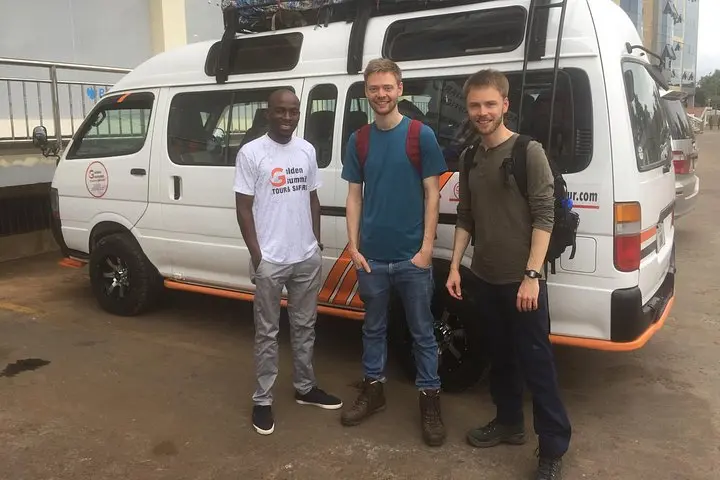
Logistics: pickup from Moshi or Kilimanjaro Airport is usually included; permits and park fees are mandatory and handled by operators. Physically, a moderate to high level of fitness with recent multi-day hiking experience is ideal. When it works, Machame doesn’t just deliver a summit—it rewrites how you read a mountain.
No technical mountaineering skills or rope work are required—this is a trekking route—but you should be prepared for high-altitude hiking on scree and snow.
A well-acclimatized group with experienced guides typically sees better summit success than shorter itineraries; rates vary by operator and weather but 7 days improves odds significantly.
Reputable operators usually include park permits, camping fees, and rescue insurance in the package; confirm with your booking before travel.
Porter weight limits vary; Tanzanian regulations recommend no more than 20–25 kg per porter—confirm your operator follows these guidelines.
AMS is the main risk; the 7-day plan uses walk-high-sleep-low and rest days to mitigate it, but descending early is the only reliable treatment—know the symptoms and communicate with guides.
The main dry windows are late June–October and late December–February; these months offer more stable weather and clearer summit conditions.
Golden Summit Adventures operates guided outdoor trips and adventures with an emphasis on safety, stewardship, and memorable experiences.
On the first morning, Moshi slips away beneath a lattice of eucalyptus and farmland and the trail pinches into a damp corridor of cloud forest. Rain beads on lobelia leaves and the air smells of wet earth; porters move with practiced rhythm, canvas frames and sleeping mats balanced like ships at sea. Over seven days the Machame Route pulls you through five distinct bands of ecosystem—forest, heath, moorland, alpine desert, and finally the glacier-scoured rim above 5,700 meters—until dawn finds you on Stella Point and the sun lifts Uhuru Peak into sharp relief.
On the first morning, Moshi slips away beneath a lattice of eucalyptus and farmland and the trail pinches into a damp corridor of cloud forest. Rain beads on lobelia leaves and the air smells of wet earth; porters move with practiced rhythm, canvas frames and sleeping mats balanced like ships at sea. Over seven days the Machame Route pulls you through five distinct bands of ecosystem—forest, heath, moorland, alpine desert, and finally the glacier-scoured rim above 5,700 meters—until dawn finds you on Stella Point and the sun lifts Uhuru Peak into sharp relief.
Machame is favored because of its profile: steep days that climb high then drop low to sleep, a proven acclimatization strategy that raises summit odds. The route skirts the volcanic shoulders of Kibo, passing the dark, ribbed bulk of Lava Tower (circa 4,640 m) and threading beneath Mawenzi’s serrated teeth. Geologically, Kilimanjaro is a stratovolcano complex built from layered lava flows and tuffs; its glaciers are relics of a colder Africa and now hang in fast retreat, offering stern proof of climate change.
Culturally the trek begins in Chagga country—villages where coffee terraces step like small amphitheaters down the slopes. Porters and guides are often from these communities; their local knowledge of trail nuances and weather patterns is as important as boots or crampons. Certificates handed at Mweka Gate are a modern ritual, but the older stories are told around stove lights: storms that reverse, clear nights with a Milky Way so dense it seems to press upon the tent fly.
Practicalities matter here. The Machame Route covers roughly 60–70 km round-trip with cumulative elevation gain of about 4,200–4,500 m from Machame Gate (~1,640 m) to Uhuru Peak (5,895 m). Terrain varies from muddy, root-laced forest paths to loose scree and steep alpine rock. The summit push begins around midnight from Barafu Camp—expect 4–7 hours of steep, slow gain on scree to Stella Point and another hour to the peak, then a long descent.
Expect daily hiking of 4–8 hours; bring layered clothing for wide temperature swings, a down jacket for summit exposure, and sturdy boots with ankle support. Hydrate constantly—altitude dries the body—and use the walk-high-sleep-low approach the itinerary already follows. Hire experienced guides and respect porter limits: they carry the camp but your survival on altitude depends on pacing, sleep, and nutrition.
Logistics: pickup from Moshi or Kilimanjaro Airport is usually included; permits and park fees are mandatory and handled by operators. Physically, a moderate to high level of fitness with recent multi-day hiking experience is ideal. When it works, Machame doesn’t just deliver a summit—it rewrites how you read a mountain.