THE ADVENTURE COLLECTIVE® · Independent discovery and booking for outdoor travel

Climb Kilimanjaro via the scenic Machame ("Whisky") Route over seven days, moving from rainforest to glacier-swept summit. This guided itinerary focuses on gradual acclimatization, experienced crews, and practical gear for a higher summit success rate.
Climb Kilimanjaro via the scenic Machame ("Whisky") Route over seven days, moving from rainforest to glacier-swept summit. This guided itinerary focuses on gradual acclimatization, experienced crews, and practical gear for a higher summit success rate.
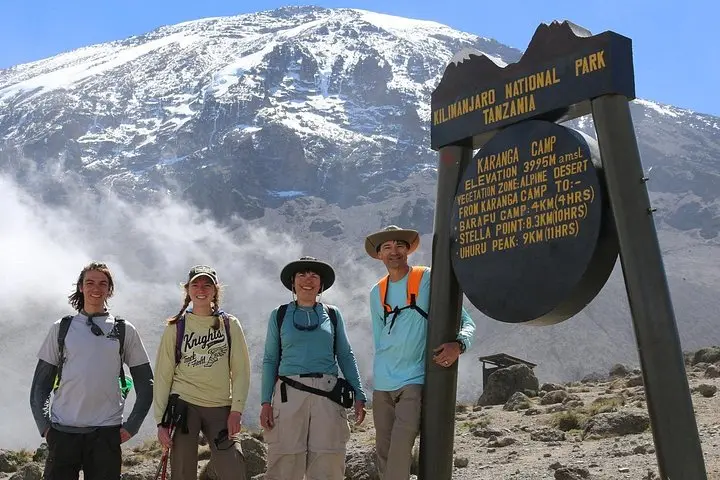
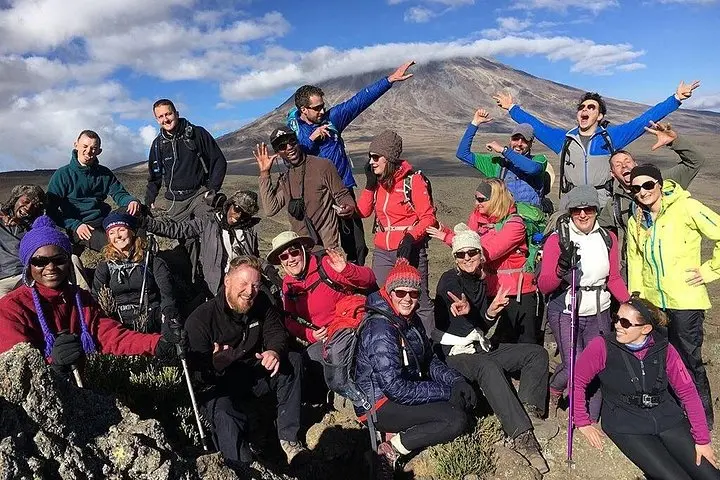
A dawn mist lifts off the rainforest as a line of trekkers and porters threads the Machame Trail, boots sinking in wet soil while giant lobelias and heather lean in as if to watch. The forest opens to moorland and then to a stark, wind-scoured plateau where the shape of Kibo—ice-capped and brooding—dwarfs everything beneath it.
Verified experiences and guided adventures in the surrounding area.
Operated by Chief's Tours Tanzania · Moshi, Kilimanjaro Region
A dawn mist lifts off the rainforest as a line of trekkers and porters threads the Machame Trail, boots sinking in wet soil while giant lobelias and heather lean in as if to watch. The forest opens to moorland and then to a stark, wind-scoured plateau where the shape of Kibo—ice-capped and brooding—dwarfs everything beneath it.
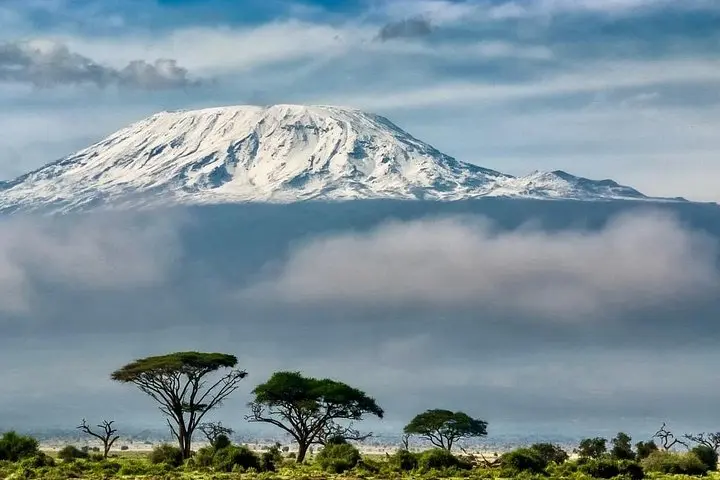
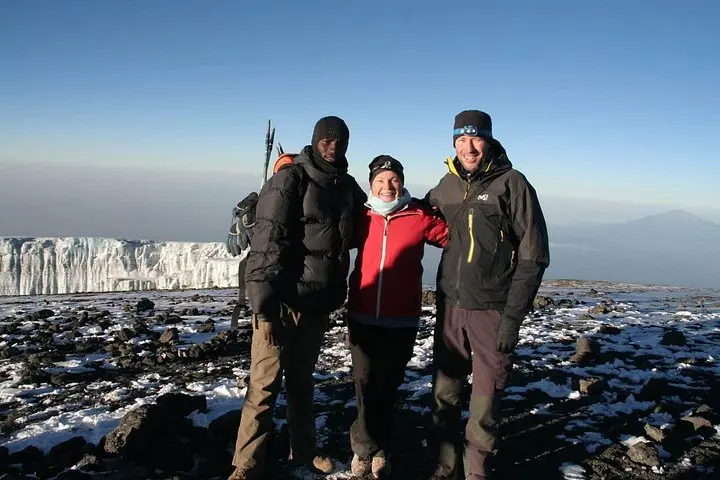
Mount Kilimanjaro is a stratovolcanic massif built from successive eruptions; its highest summit, Uhuru Peak (5,895 m), rides the rim of a crater on Kibo. The Machame route, called the Whisky Route, climbs through rainforest, moorland, semi-desert and alpine desert, tracing ancient lava flows and glacier-polished rock. The southern ice fields and the Rebmann and Ratzel glaciers show visible recession—geology and climate on display.
Locally, the Chagga people have farmed Kilimanjaro’s lower slopes for centuries; porters and guides are skilled in route-finding and high-altitude care, and many operators now emphasize fair wages and sustainable practices.
Practically, expect 6–7 hours of hiking on several days with steep sections and loose scree near Barafu. Summit night begins around midnight; pacing, hydration and slow ascent for acclimatization are essential. Gaiters, trekking poles, a warm sleeping bag and layered clothing matter—temperatures swing from humid rainforest warmth to sub-zero on the crater rim. Permits, crew, oxygen cylinders and camping equipment are typically provided with guided packages; tipping the crew and carrying personal water treatment are standard. Success hinges on gradual acclimatization, a steady pace, and respect for the mountain’s weather and altitude.
You should have regular cardiovascular fitness and experience with multi-day hikes; the key is pacing for altitude rather than technical climbing ability.
Yes—climbs on Kilimanjaro require park permits and are typically completed with registered guides and porters provided by operators.
Summit pushes start between midnight and 2 a.m.; expect 5–7 hours to the crater rim and another hour to Uhuru Peak with slow, steady pacing and frequent short breaks.
Operators often carry supplementary oxygen and first-aid equipment; confirm availability before booking and ensure crew training in altitude response.
Chief's Tours Tanzania operates guided outdoor trips and adventures with an emphasis on safety, stewardship, and memorable experiences.
A dawn mist lifts off the rainforest as a line of trekkers and porters threads the Machame Trail, boots sinking in wet soil while giant lobelias and heather lean in as if to watch. The forest opens to moorland and then to a stark, wind-scoured plateau where the shape of Kibo—ice-capped and brooding—dwarfs everything beneath it.
A dawn mist lifts off the rainforest as a line of trekkers and porters threads the Machame Trail, boots sinking in wet soil while giant lobelias and heather lean in as if to watch. The forest opens to moorland and then to a stark, wind-scoured plateau where the shape of Kibo—ice-capped and brooding—dwarfs everything beneath it.
Mount Kilimanjaro is a stratovolcanic massif built from successive eruptions; its highest summit, Uhuru Peak (5,895 m), rides the rim of a crater on Kibo. The Machame route, called the Whisky Route, climbs through rainforest, moorland, semi-desert and alpine desert, tracing ancient lava flows and glacier-polished rock. The southern ice fields and the Rebmann and Ratzel glaciers show visible recession—geology and climate on display.
Locally, the Chagga people have farmed Kilimanjaro’s lower slopes for centuries; porters and guides are skilled in route-finding and high-altitude care, and many operators now emphasize fair wages and sustainable practices.
Practically, expect 6–7 hours of hiking on several days with steep sections and loose scree near Barafu. Summit night begins around midnight; pacing, hydration and slow ascent for acclimatization are essential. Gaiters, trekking poles, a warm sleeping bag and layered clothing matter—temperatures swing from humid rainforest warmth to sub-zero on the crater rim. Permits, crew, oxygen cylinders and camping equipment are typically provided with guided packages; tipping the crew and carrying personal water treatment are standard. Success hinges on gradual acclimatization, a steady pace, and respect for the mountain’s weather and altitude.