THE ADVENTURE COLLECTIVE® · Independent discovery and booking for outdoor travel

The Machame Route is a seven-day, non-technical but physically demanding climb that climbs Kilimanjaro from rainforest to glacier. This classic itinerary balances acclimatization and scenery, offering one of the best summit success rates for hikers who prepare properly.
The Machame Route is a seven-day, non-technical but physically demanding climb that climbs Kilimanjaro from rainforest to glacier. This classic itinerary balances acclimatization and scenery, offering one of the best summit success rates for hikers who prepare properly.
Night drops fast on Kilimanjaro’s lower slopes: headlamps jitter across swollen roots, mist wraps the forest like a moving wall, and the mountain’s bulk looms higher with every switchback. On the Machame Route, hikers leave Arusha before dawn and climb through wet montane forest into moorland, then across a high desert of lava and scree toward the icy crater rim — a progressive shift in terrain that tests lungs and patience alike.
Verified experiences and guided adventures in the surrounding area.
Operated by Mafie Adventures · Arusha, Kilimanjaro Region
Night drops fast on Kilimanjaro’s lower slopes: headlamps jitter across swollen roots, mist wraps the forest like a moving wall, and the mountain’s bulk looms higher with every switchback. On the Machame Route, hikers leave Arusha before dawn and climb through wet montane forest into moorland, then across a high desert of lava and scree toward the icy crater rim — a progressive shift in terrain that tests lungs and patience alike.
Geologically, Kilimanjaro is a dormant stratovolcano whose layered lava and ash flows formed three cones; the western icefields and crater rim record millennia of glacial retreat. Culturally, the Chagga people live on the mountain’s fertile lower slopes and intersect with climbing logistics in small villages and gate registrations; expect local porters and cooks to be central players in your ascent. Wildlife is concentrated in the forest bands — black-and-white colobus and tree hyrax are common sights.
Practically, the Machame Route is prized for acclimatization: longer approaches and a high camp at Lava Tower improve summit odds. Expect 5–8 hours of hiking on most days, muddy trails early on, exposed ridges near Barafu, and a sleepless summit push starting around midnight to reach Uhuru Peak at sunrise. Hydration, layered clothing, and a warm sleeping bag are essential; plan for rain in the lower zones and sub-freezing nights above 3,500–4,000 m. Guides manage permitting and camp logistics; tip porters and support staff fairly at trip’s end. With steady pacing and respect for altitude, the Machame Route is one of the most rewarding non-technical high-altitude treks in East Africa.
No; the Machame Route is a non-technical trekking route but requires proper high-altitude clothing and boots—crampons are not needed for the normal season.
Uhuru Peak is approximately 5,895 m; reaching it depends on acclimatization, fitness, and weather—summit attempts are not guaranteed.
Most days range from 2–8 hours; summit night is the longest push (5–8 hours up, then several hours descending).
Yes; this itinerary includes camping, meals prepared by a cook, porterage for group gear, and certified guides who handle permits and logistics.
Mafie Adventures operates guided outdoor trips and adventures with an emphasis on safety, stewardship, and memorable experiences.
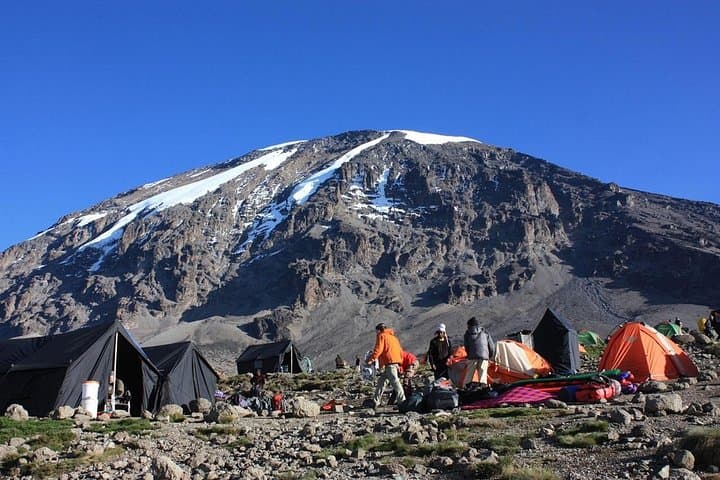

Night drops fast on Kilimanjaro’s lower slopes: headlamps jitter across swollen roots, mist wraps the forest like a moving wall, and the mountain’s bulk looms higher with every switchback. On the Machame Route, hikers leave Arusha before dawn and climb through wet montane forest into moorland, then across a high desert of lava and scree toward the icy crater rim — a progressive shift in terrain that tests lungs and patience alike.
Night drops fast on Kilimanjaro’s lower slopes: headlamps jitter across swollen roots, mist wraps the forest like a moving wall, and the mountain’s bulk looms higher with every switchback. On the Machame Route, hikers leave Arusha before dawn and climb through wet montane forest into moorland, then across a high desert of lava and scree toward the icy crater rim — a progressive shift in terrain that tests lungs and patience alike.
Geologically, Kilimanjaro is a dormant stratovolcano whose layered lava and ash flows formed three cones; the western icefields and crater rim record millennia of glacial retreat. Culturally, the Chagga people live on the mountain’s fertile lower slopes and intersect with climbing logistics in small villages and gate registrations; expect local porters and cooks to be central players in your ascent. Wildlife is concentrated in the forest bands — black-and-white colobus and tree hyrax are common sights.
Practically, the Machame Route is prized for acclimatization: longer approaches and a high camp at Lava Tower improve summit odds. Expect 5–8 hours of hiking on most days, muddy trails early on, exposed ridges near Barafu, and a sleepless summit push starting around midnight to reach Uhuru Peak at sunrise. Hydration, layered clothing, and a warm sleeping bag are essential; plan for rain in the lower zones and sub-freezing nights above 3,500–4,000 m. Guides manage permitting and camp logistics; tip porters and support staff fairly at trip’s end. With steady pacing and respect for altitude, the Machame Route is one of the most rewarding non-technical high-altitude treks in East Africa.