THE ADVENTURE COLLECTIVE® · Independent discovery and booking for outdoor travel

Trek the Machame Route over seven days to stand on Uhuru Peak. This group-join itinerary balances acclimatization and challenge, moving from rainforest to arctic summit with experienced guides and full-camp support.
Trek the Machame Route over seven days to stand on Uhuru Peak. This group-join itinerary balances acclimatization and challenge, moving from rainforest to arctic summit with experienced guides and full-camp support.
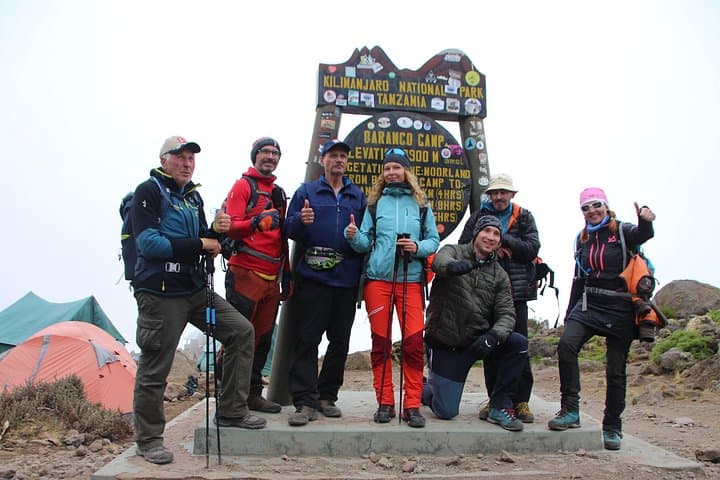
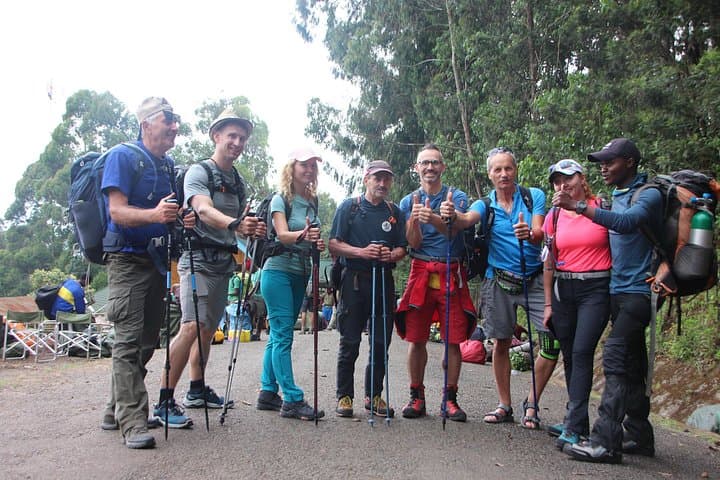
A cold, star-pinned sky greets you as the van leaves Moshi and climbs toward Machame Gate. Damp rainforest breathes on your neck for the first hours—ferns brushing, bird calls threading the path—before the trail opens into moorland and a wider, more spare world. The mountain pushes its shoulders into the sky; you feel the gradient of ecosystems with every step.
Verified experiences and guided adventures in the surrounding area.
Operated by #1 Materuni Waterfall and Coffee Day Tour Operators | BURIGI CHATO SAFARIS Co L.T.D · Moshi, Kilimanjaro Region
A cold, star-pinned sky greets you as the van leaves Moshi and climbs toward Machame Gate. Damp rainforest breathes on your neck for the first hours—ferns brushing, bird calls threading the path—before the trail opens into moorland and a wider, more spare world. The mountain pushes its shoulders into the sky; you feel the gradient of ecosystems with every step.
Mount Kilimanjaro is an ancient stratovolcano made of three cones—Kibo, Mawenzi and Shira—whose glacial crown and volcanic rock tell a story of uplift and ice. The Machame Route winds through rainforest and heath, past the flat Shira Plateau and the jagged Lava Tower, then up the famous Barranco Wall before the high camp at Barafu and a midnight push to Uhuru Peak. Locals—the Chagga people around Moshi—have long used these lower slopes for agriculture and trade; today trekking supports local guides and porters who are essential to safe climbs.
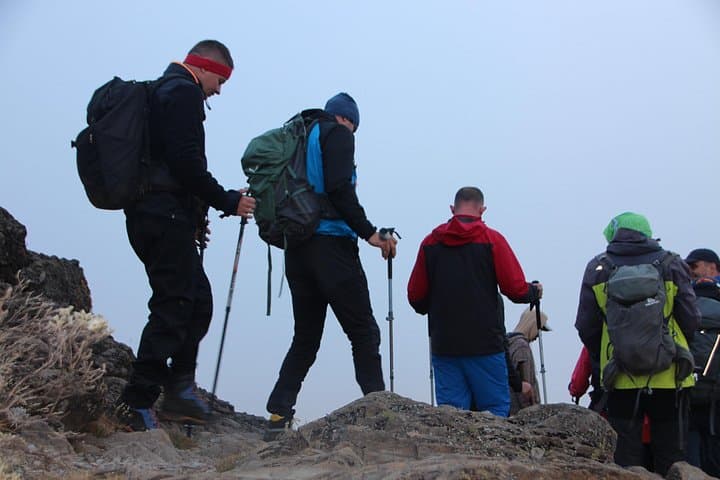
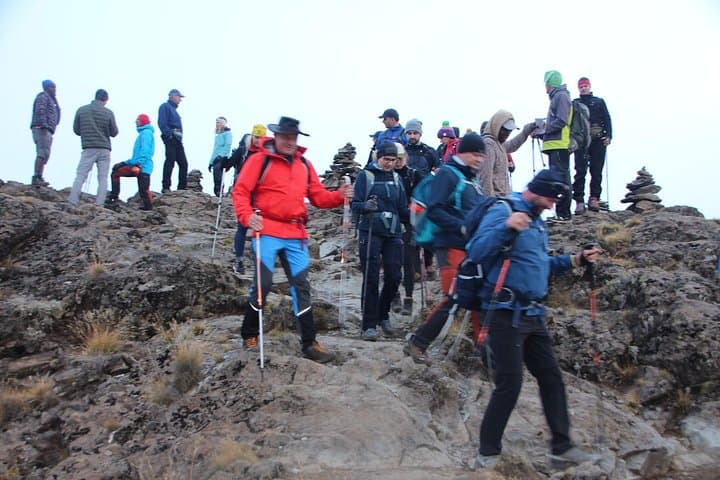
Expect varied terrain: muddy trails, rocky scrambles, loose scree on descent and cold, windy summit ridgelines. Altitude is the real adversary; the itinerary builds acclimatization days for this reason. Practical prep matters—break in boots, practice with a loaded pack, and rehearse night hiking with a headlamp.
On the mountain travel light, hydrate constantly, sleep early on summit eve, and follow your guide’s pacing. Respect porter limits, stick to marked trails, and pack layers for rapid temperature swings: rainforest humidity to summit arctic wind in 24 hours. Summit morning rewards patience—sunrise over an African plain is blunt and immediate—and the descent gives you time to reflect and descend safely back into forest and warmth.
Physically demanding due to length and altitude rather than technical difficulty; a 7-day itinerary improves acclimatization and success rates.
No technical climbing skills are required but prior multi-day hiking experience and good fitness are strongly recommended.
Dry seasons—January–mid-March and June–October—offer more stable weather and clearer summit conditions, though climbs occur year-round.
Yes. Kilimanjaro National Park requires permits and official guides; reputable operators include park fees, guides, porters and rescue preparations in their packages.
#1 Materuni Waterfall and Coffee Day Tour Operators | BURIGI CHATO SAFARIS Co L.T.D operates guided outdoor trips and adventures with an emphasis on safety, stewardship, and memorable experiences.
A cold, star-pinned sky greets you as the van leaves Moshi and climbs toward Machame Gate. Damp rainforest breathes on your neck for the first hours—ferns brushing, bird calls threading the path—before the trail opens into moorland and a wider, more spare world. The mountain pushes its shoulders into the sky; you feel the gradient of ecosystems with every step.
A cold, star-pinned sky greets you as the van leaves Moshi and climbs toward Machame Gate. Damp rainforest breathes on your neck for the first hours—ferns brushing, bird calls threading the path—before the trail opens into moorland and a wider, more spare world. The mountain pushes its shoulders into the sky; you feel the gradient of ecosystems with every step.
Mount Kilimanjaro is an ancient stratovolcano made of three cones—Kibo, Mawenzi and Shira—whose glacial crown and volcanic rock tell a story of uplift and ice. The Machame Route winds through rainforest and heath, past the flat Shira Plateau and the jagged Lava Tower, then up the famous Barranco Wall before the high camp at Barafu and a midnight push to Uhuru Peak. Locals—the Chagga people around Moshi—have long used these lower slopes for agriculture and trade; today trekking supports local guides and porters who are essential to safe climbs.
Expect varied terrain: muddy trails, rocky scrambles, loose scree on descent and cold, windy summit ridgelines. Altitude is the real adversary; the itinerary builds acclimatization days for this reason. Practical prep matters—break in boots, practice with a loaded pack, and rehearse night hiking with a headlamp.
On the mountain travel light, hydrate constantly, sleep early on summit eve, and follow your guide’s pacing. Respect porter limits, stick to marked trails, and pack layers for rapid temperature swings: rainforest humidity to summit arctic wind in 24 hours. Summit morning rewards patience—sunrise over an African plain is blunt and immediate—and the descent gives you time to reflect and descend safely back into forest and warmth.