THE ADVENTURE COLLECTIVE® · Independent discovery and booking for outdoor travel

Trek the Machame route over seven days to reach Uhuru Peak. This guide outlines the route, terrain, acclimatization tips, and what to expect from rainforest to summit night.
Trek the Machame route over seven days to reach Uhuru Peak. This guide outlines the route, terrain, acclimatization tips, and what to expect from rainforest to summit night.
You step out of the vehicle at Machame Gate and the rainforest seems to inhale around you—humid breath, drumming insect life and a trail that climbs into cloud. The first day’s switchbacks thread through moss-draped trees; higher up the world opens to volcanic scree and a sky that feels closer to your face.
Verified experiences and guided adventures in the surrounding area.
Operated by Kilinge Adventures · Moshi, Kilimanjaro Region
You step out of the vehicle at Machame Gate and the rainforest seems to inhale around you—humid breath, drumming insect life and a trail that climbs into cloud. The first day’s switchbacks thread through moss-draped trees; higher up the world opens to volcanic scree and a sky that feels closer to your face.
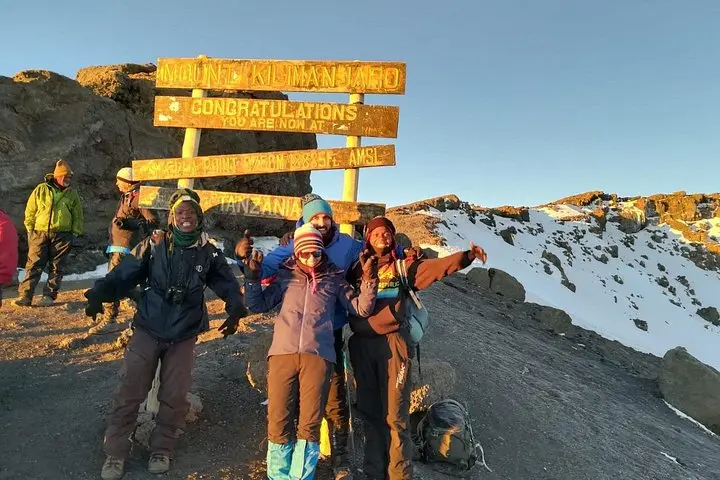
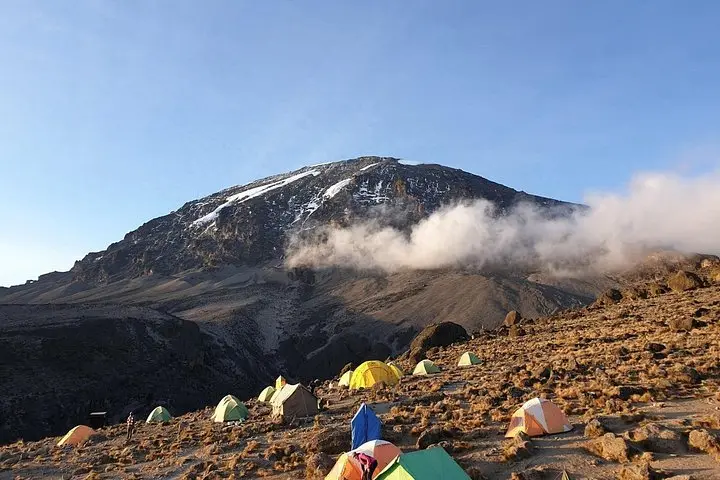
Kilimanjaro is a massif of three volcanic cones crowned by Uhuru Peak (≈5,895 m/19,343 ft), formed by ancient flows and glacial sculpting. The Machame route was developed as a scenic ascent that uses forested lower slopes for gradual exposure to altitude, passing Shira Plateau, Lava Tower (4,600 m) and the Great Barranco Wall before the final push from Barafu Camp. The Chagga people have lived on Kilimanjaro’s slopes for centuries; porters, guides and cooks are local lifelines who shape the climb.
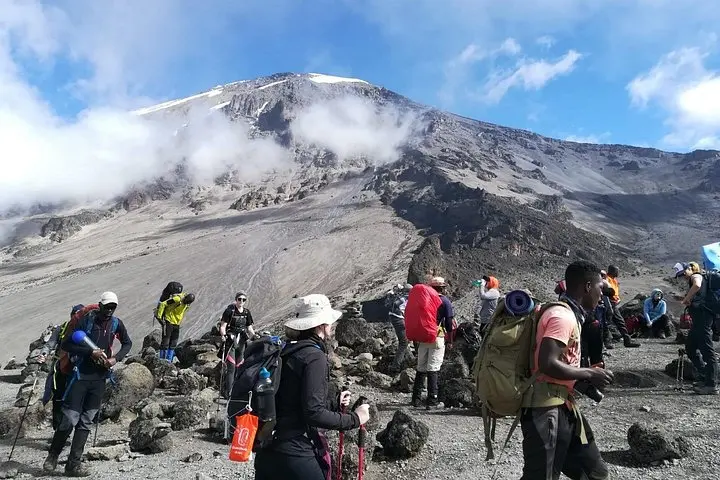
Expect seven days of mixed terrain: muddy rainforest tracks, rocky ridgewalks, high-altitude desert and steep scree on the summit night. Daily gains vary—starting at Machame Gate (≈1,634 m) and topping at Uhuru—so acclimatization days and the Lava Tower detour matter. Summit night begins around midnight for a 6–8 hour push through loose volcanic gravel; sunrise over the Great Rift Valley is the reward.
Practical notes: book with licensed guides and permits, carry layered clothing for 30°C swings to sub-zero at night, and practice short hikes with loaded packs before arrival. Hydrate proactively, pace conservatively on the Barranco and Karanga sections, and be prepared to turn back—altitude is the real route-setter. With proper planning, the Machame route is a challenging, achievable summit experience that balances wild scenery and cultural connection.
No technical crampons or ropes are required on the Machame route in normal seasons; sturdy boots and poles are sufficient, though microspikes may help if icy.
Summit night is the most demanding—10–14 hours including ascent and descent, steep loose scree and thin air; pacing and rest breaks are critical.
Licensed guides and park permits are required; confirm with your operator that all permits, park fees, and certified guides are included before booking.
Acute mountain sickness is real—symptoms include headache, nausea and fatigue; operators mitigate risk with acclimatization and descent protocols, but be prepared to descend if symptoms worsen.
Kilinge Adventures operates guided outdoor trips and adventures with an emphasis on safety, stewardship, and memorable experiences.
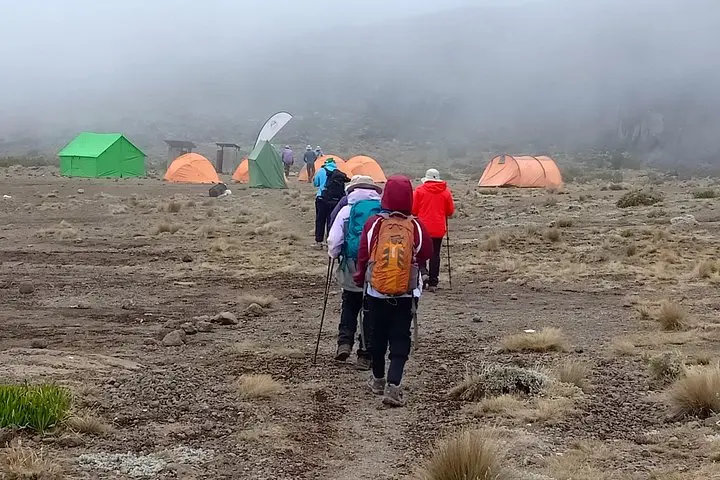
You step out of the vehicle at Machame Gate and the rainforest seems to inhale around you—humid breath, drumming insect life and a trail that climbs into cloud. The first day’s switchbacks thread through moss-draped trees; higher up the world opens to volcanic scree and a sky that feels closer to your face.
You step out of the vehicle at Machame Gate and the rainforest seems to inhale around you—humid breath, drumming insect life and a trail that climbs into cloud. The first day’s switchbacks thread through moss-draped trees; higher up the world opens to volcanic scree and a sky that feels closer to your face.
Kilimanjaro is a massif of three volcanic cones crowned by Uhuru Peak (≈5,895 m/19,343 ft), formed by ancient flows and glacial sculpting. The Machame route was developed as a scenic ascent that uses forested lower slopes for gradual exposure to altitude, passing Shira Plateau, Lava Tower (4,600 m) and the Great Barranco Wall before the final push from Barafu Camp. The Chagga people have lived on Kilimanjaro’s slopes for centuries; porters, guides and cooks are local lifelines who shape the climb.
Expect seven days of mixed terrain: muddy rainforest tracks, rocky ridgewalks, high-altitude desert and steep scree on the summit night. Daily gains vary—starting at Machame Gate (≈1,634 m) and topping at Uhuru—so acclimatization days and the Lava Tower detour matter. Summit night begins around midnight for a 6–8 hour push through loose volcanic gravel; sunrise over the Great Rift Valley is the reward.
Practical notes: book with licensed guides and permits, carry layered clothing for 30°C swings to sub-zero at night, and practice short hikes with loaded packs before arrival. Hydrate proactively, pace conservatively on the Barranco and Karanga sections, and be prepared to turn back—altitude is the real route-setter. With proper planning, the Machame route is a challenging, achievable summit experience that balances wild scenery and cultural connection.