THE ADVENTURE COLLECTIVE® · Independent discovery and booking for outdoor travel

A seven-day ascent along Kilimanjaro’s dramatic Machame Route—known as the Whiskey Route—takes you from rainforest to summit. Expect steep climbs, varied terrain, and a midnight push to Uhuru Peak for sunrise.
A seven-day ascent along Kilimanjaro’s dramatic Machame Route—known as the Whiskey Route—takes you from rainforest to summit. Expect steep climbs, varied terrain, and a midnight push to Uhuru Peak for sunrise.
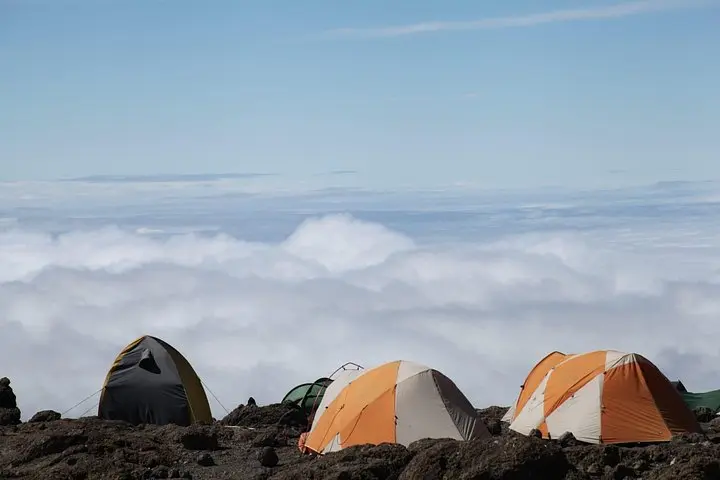
The headlamp cone ahead is the only steady thing on the mountain at 00:30. You follow a charging line of footsteps through powdery scree, each step a small pact between ambition and altitude. Above you, Kibo’s rockface absorbs the cold and spits it back as wind; below, the camp lights dim into the desert. This is the Machame Route—colloquially the "Whiskey Route"—a seven-day climb that trades flat acclimatization days for dramatic variety: rainforest, moorland, lava towers and alpine desert before the final glitter of Uhuru Peak.
Verified experiences and guided adventures in the surrounding area.
Operated by SMILE WITH US TOURS IN AFRICA · Moshi, Kilimanjaro Region
The headlamp cone ahead is the only steady thing on the mountain at 00:30. You follow a charging line of footsteps through powdery scree, each step a small pact between ambition and altitude. Above you, Kibo’s rockface absorbs the cold and spits it back as wind; below, the camp lights dim into the desert. This is the Machame Route—colloquially the "Whiskey Route"—a seven-day climb that trades flat acclimatization days for dramatic variety: rainforest, moorland, lava towers and alpine desert before the final glitter of Uhuru Peak.
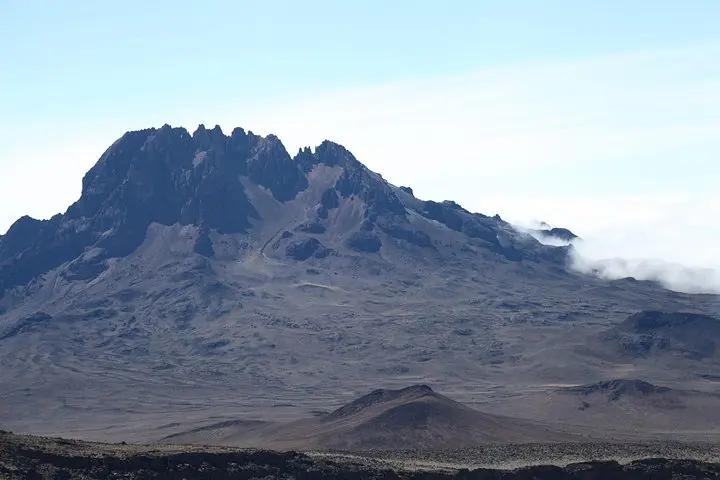
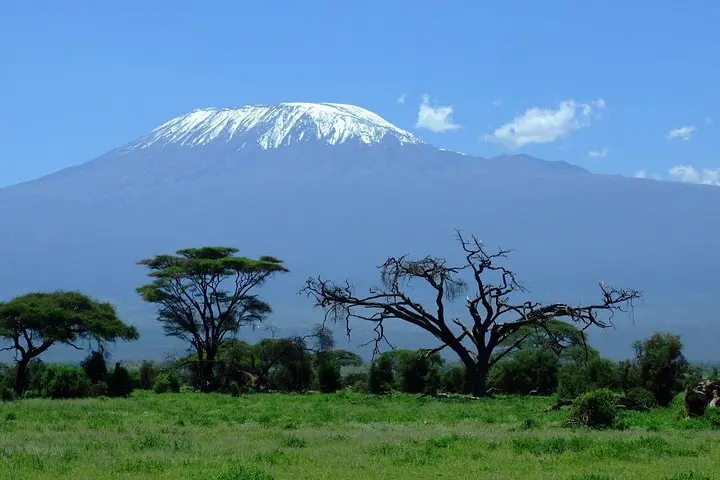
The route is a modern path through an ancient volcano. Kilimanjaro’s three volcanic cones—Shira, Mawenzi and Kibo—are scars of eruptions that shaped East Africa’s skyline. The Machame approach swings around Kibo’s southern flank, giving panoramic views that map geological history in strata: old lava flows that cool into cracked plains, eroded domes and the knife-edge ridges that guide climbers upward. Locally, the Chagga people have farmed Kilimanjaro’s lower slopes for generations, terracing maize and banana into a patchwork that shields the mountain’s base and feeds Moshi’s town markets.
On the trail you’ll notice the mountain presenting itself—rainforest clinging to misty slopes, heather bands that sway like grass, then a sudden, brittle moonscape where the air sharpens every breath. The Lava Tower acts like a waypoint in a story, a vertical punctuation you climb toward and then descend from, a deliberate altitudinal roller coaster that aids acclimatization.
Practicalities matter as much as the view. The trek is non-technical but physically demanding: expect sustained uphill sections, up to 1,300 meters gained in single days, rocky scrambles like the Barranco Wall, and a summit push that starts near midnight to reach Stella Point around sunrise. Nights are cold—sub-zero above Barafu—so layered insulation and a reliable sleeping bag are essential. Hydration is an ongoing negotiation; drink often to lessen altitude’s grip. Trekking poles and gaiters will save knees and keep mud or scree from stealing your rhythm. Guides and porters are part of the Kilimanjaro ethic—learn their rhythms, respect campsite etiquette, and the crew will carry more than your pack: they’ll carry you to the top.
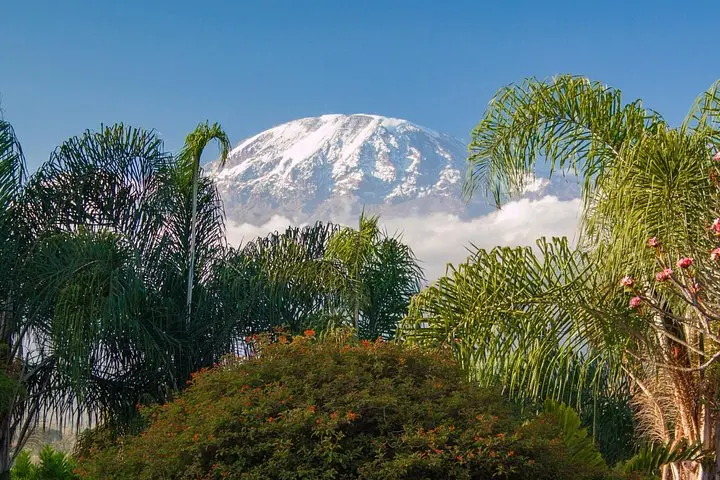
Timing is simple: dry months (January–March, June–October) provide the best window, but weather is local and fickle. Allow time in Moshi before and after the climb for logistics and a hot shower. The summit is a personal weather window—sometimes forgiving, sometimes determined to remind you who’s in charge. Reach Uhuru and you’ll have earned more than a certificate: you’ll have walked from green, rain-soaked forests into the thin blue of the roof of Africa.
Machame is steeper and more variable than routes like Marangu but rewards you with scenic diversity; it’s non-technical but physically demanding.
No technical gear is required—ice axe or crampons are rarely needed; standard trekking equipment and proper layers suffice.
The best windows are January–March and June–October for drier conditions, though weather can change rapidly at elevation.
Altitude sickness is possible; the itinerary includes acclimatization days to reduce risk, but listen to guides and report symptoms immediately.
Yes—local guides and porters are part of the package and are essential for safety, logistics and campsite setup.
Fit beginners can succeed if they train, pace themselves and follow acclimatization guidance; prior multi-day hiking experience helps.
SMILE WITH US TOURS IN AFRICA operates guided outdoor trips and adventures with an emphasis on safety, stewardship, and memorable experiences.
The headlamp cone ahead is the only steady thing on the mountain at 00:30. You follow a charging line of footsteps through powdery scree, each step a small pact between ambition and altitude. Above you, Kibo’s rockface absorbs the cold and spits it back as wind; below, the camp lights dim into the desert. This is the Machame Route—colloquially the "Whiskey Route"—a seven-day climb that trades flat acclimatization days for dramatic variety: rainforest, moorland, lava towers and alpine desert before the final glitter of Uhuru Peak.
The headlamp cone ahead is the only steady thing on the mountain at 00:30. You follow a charging line of footsteps through powdery scree, each step a small pact between ambition and altitude. Above you, Kibo’s rockface absorbs the cold and spits it back as wind; below, the camp lights dim into the desert. This is the Machame Route—colloquially the "Whiskey Route"—a seven-day climb that trades flat acclimatization days for dramatic variety: rainforest, moorland, lava towers and alpine desert before the final glitter of Uhuru Peak.
The route is a modern path through an ancient volcano. Kilimanjaro’s three volcanic cones—Shira, Mawenzi and Kibo—are scars of eruptions that shaped East Africa’s skyline. The Machame approach swings around Kibo’s southern flank, giving panoramic views that map geological history in strata: old lava flows that cool into cracked plains, eroded domes and the knife-edge ridges that guide climbers upward. Locally, the Chagga people have farmed Kilimanjaro’s lower slopes for generations, terracing maize and banana into a patchwork that shields the mountain’s base and feeds Moshi’s town markets.
On the trail you’ll notice the mountain presenting itself—rainforest clinging to misty slopes, heather bands that sway like grass, then a sudden, brittle moonscape where the air sharpens every breath. The Lava Tower acts like a waypoint in a story, a vertical punctuation you climb toward and then descend from, a deliberate altitudinal roller coaster that aids acclimatization.
Practicalities matter as much as the view. The trek is non-technical but physically demanding: expect sustained uphill sections, up to 1,300 meters gained in single days, rocky scrambles like the Barranco Wall, and a summit push that starts near midnight to reach Stella Point around sunrise. Nights are cold—sub-zero above Barafu—so layered insulation and a reliable sleeping bag are essential. Hydration is an ongoing negotiation; drink often to lessen altitude’s grip. Trekking poles and gaiters will save knees and keep mud or scree from stealing your rhythm. Guides and porters are part of the Kilimanjaro ethic—learn their rhythms, respect campsite etiquette, and the crew will carry more than your pack: they’ll carry you to the top.
Timing is simple: dry months (January–March, June–October) provide the best window, but weather is local and fickle. Allow time in Moshi before and after the climb for logistics and a hot shower. The summit is a personal weather window—sometimes forgiving, sometimes determined to remind you who’s in charge. Reach Uhuru and you’ll have earned more than a certificate: you’ll have walked from green, rain-soaked forests into the thin blue of the roof of Africa.