THE ADVENTURE COLLECTIVE® · Independent discovery and booking for outdoor travel

From rain forest to icy crater rim, the 7-day Machame route on Kilimanjaro walks you through dramatic ecosystems and steady altitude gains to Uhuru Peak. This scenic, moderate-challenge itinerary balances acclimatization with ambition—here’s what to expect and how to prepare.
From rain forest to icy crater rim, the 7-day Machame route on Kilimanjaro walks you through dramatic ecosystems and steady altitude gains to Uhuru Peak. This scenic, moderate-challenge itinerary balances acclimatization with ambition—here’s what to expect and how to prepare.
The trail opens with rain forest air that smells sharply of wet earth and moss, and within an hour the trees close around you like a living wall. On day one the Machame route climbs quickly out of village farmland into a green, dripping world where tiny streams dare you to stay dry; porters move with the practiced efficiency of people who know the mountain intimately. Over seven days the landscape strips away—from dripping forest to moorland, from lava-strewn plateau to the cold, skeletal Arctic light of the crater rim—until the summit, Uhuru Peak (5,895 m), rewards those who persist.
Verified experiences and guided adventures in the surrounding area.
Operated by safari soles tours · Moshi, Kilimanjaro Region
The trail opens with rain forest air that smells sharply of wet earth and moss, and within an hour the trees close around you like a living wall. On day one the Machame route climbs quickly out of village farmland into a green, dripping world where tiny streams dare you to stay dry; porters move with the practiced efficiency of people who know the mountain intimately. Over seven days the landscape strips away—from dripping forest to moorland, from lava-strewn plateau to the cold, skeletal Arctic light of the crater rim—until the summit, Uhuru Peak (5,895 m), rewards those who persist.
Machame’s attraction is unabashedly scenic. The route crosses the Shira Plateau’s flat basalt fields and skirts the dramatic western glaciers that carved the mountain’s upper slopes. Geologically Kilimanjaro is a volcanic massif built from eruptions of three distinct cones (Kibo being the highest), and the hike traces those layers: rain forest soils, ancient lava flows, alpine desert scree and finally the glacial ice near the rim.
The mountain sits on land long lived in by the Chagga, who farmed the lower slopes and welcomed early European explorers; Hans Meyer’s 1889 ascent remains the most-cited milestone in the peak’s recorded history. Today local guides and porters run the routes, and their knowledge—about weather, altitude, campsites and rhythms of the climb—is the practical backbone of any successful summit bid.
Practicality comes fast on Kilimanjaro. Expect average daily hiking of 4–8 hours, with key altitude gains: Machame Gate (1,490 m) to Machame Camp (2,980 m), a second-night push to Shira (3,840 m), a tough day to Lava Tower (4,630 m) then descent to Barranco (3,950 m) for acclimatization. Summit night starts around 23:30 from Barafu Camp (4,550 m), and the final push to Uhuru Peak can take 6–8 hours in heavy scree and thin air.
Preparation is straightforward but non-negotiable: train with long hill days and back-to-back hikes, practice with heavy packs, and test layered clothing for freezing summit conditions. Hydration and steady pacing are your best defenses against altitude illness; learn to read your body and communicate early with guides. Logistics are largely handled—permits, campsites, food and porters are included in most packages—but bring quality boots, a warm down layer, sunscreen and a headlamp with fresh batteries.
For experienced hikers who want big views and a real high-altitude objective, the Machame route delivers scenic variety, local engagement and a summit experience that, while demanding, feels both earned and eminently achievable with the right preparation.
You should have good cardiovascular fitness and experience with long day hikes; training should include uphill intervals and back-to-back long walks with a loaded pack.
June–October and late December–February are the driest and most popular windows; March–May has the long rains and can be muddy and slippery.
Most packages include park permits, camping equipment, meals, guides and porters—confirm inclusions before booking and ensure the operator uses registered staff.
It’s common enough to take seriously; the itinerary includes acclimatization days, but symptoms can still occur—descend and seek medical help if severe.
Waterproof, stiff-soled trekking boots that are broken in, plus quality socks and gaiters to manage mud and scree.
Yes—purchase coverage that includes high-altitude trekking and emergency evacuation, and keep policy details with guides.
safari soles tours operates guided outdoor trips and adventures with an emphasis on safety, stewardship, and memorable experiences.

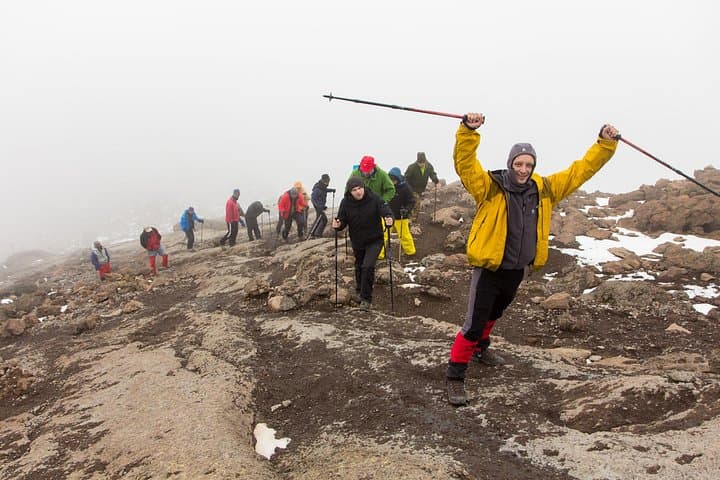


The trail opens with rain forest air that smells sharply of wet earth and moss, and within an hour the trees close around you like a living wall. On day one the Machame route climbs quickly out of village farmland into a green, dripping world where tiny streams dare you to stay dry; porters move with the practiced efficiency of people who know the mountain intimately. Over seven days the landscape strips away—from dripping forest to moorland, from lava-strewn plateau to the cold, skeletal Arctic light of the crater rim—until the summit, Uhuru Peak (5,895 m), rewards those who persist.
The trail opens with rain forest air that smells sharply of wet earth and moss, and within an hour the trees close around you like a living wall. On day one the Machame route climbs quickly out of village farmland into a green, dripping world where tiny streams dare you to stay dry; porters move with the practiced efficiency of people who know the mountain intimately. Over seven days the landscape strips away—from dripping forest to moorland, from lava-strewn plateau to the cold, skeletal Arctic light of the crater rim—until the summit, Uhuru Peak (5,895 m), rewards those who persist.
Machame’s attraction is unabashedly scenic. The route crosses the Shira Plateau’s flat basalt fields and skirts the dramatic western glaciers that carved the mountain’s upper slopes. Geologically Kilimanjaro is a volcanic massif built from eruptions of three distinct cones (Kibo being the highest), and the hike traces those layers: rain forest soils, ancient lava flows, alpine desert scree and finally the glacial ice near the rim.
The mountain sits on land long lived in by the Chagga, who farmed the lower slopes and welcomed early European explorers; Hans Meyer’s 1889 ascent remains the most-cited milestone in the peak’s recorded history. Today local guides and porters run the routes, and their knowledge—about weather, altitude, campsites and rhythms of the climb—is the practical backbone of any successful summit bid.
Practicality comes fast on Kilimanjaro. Expect average daily hiking of 4–8 hours, with key altitude gains: Machame Gate (1,490 m) to Machame Camp (2,980 m), a second-night push to Shira (3,840 m), a tough day to Lava Tower (4,630 m) then descent to Barranco (3,950 m) for acclimatization. Summit night starts around 23:30 from Barafu Camp (4,550 m), and the final push to Uhuru Peak can take 6–8 hours in heavy scree and thin air.
Preparation is straightforward but non-negotiable: train with long hill days and back-to-back hikes, practice with heavy packs, and test layered clothing for freezing summit conditions. Hydration and steady pacing are your best defenses against altitude illness; learn to read your body and communicate early with guides. Logistics are largely handled—permits, campsites, food and porters are included in most packages—but bring quality boots, a warm down layer, sunscreen and a headlamp with fresh batteries.
For experienced hikers who want big views and a real high-altitude objective, the Machame route delivers scenic variety, local engagement and a summit experience that, while demanding, feels both earned and eminently achievable with the right preparation.