THE ADVENTURE COLLECTIVE® · Independent discovery and booking for outdoor travel

A compact, family-friendly week through Madagascar’s highlights: Antananarivo’s markets, Morondava’s iconic baobab silhouettes, and the otherworldly limestone spires of Tsingy de Bemaraha. Expect long drives, short hikes, and concentrated wildlife encounters.
A compact, family-friendly week through Madagascar’s highlights: Antananarivo’s markets, Morondava’s iconic baobab silhouettes, and the otherworldly limestone spires of Tsingy de Bemaraha. Expect long drives, short hikes, and concentrated wildlife encounters.
You step off the plane into the warm hum of Antananarivo, the city’s red roofs and busy markets pressing close as your guide ushers you to the car.
Verified experiences and guided adventures in the surrounding area.
Operated by Travel China Guide · Antananarivo, Analamanga
You step off the plane into the warm hum of Antananarivo, the city’s red roofs and busy markets pressing close as your guide ushers you to the car.
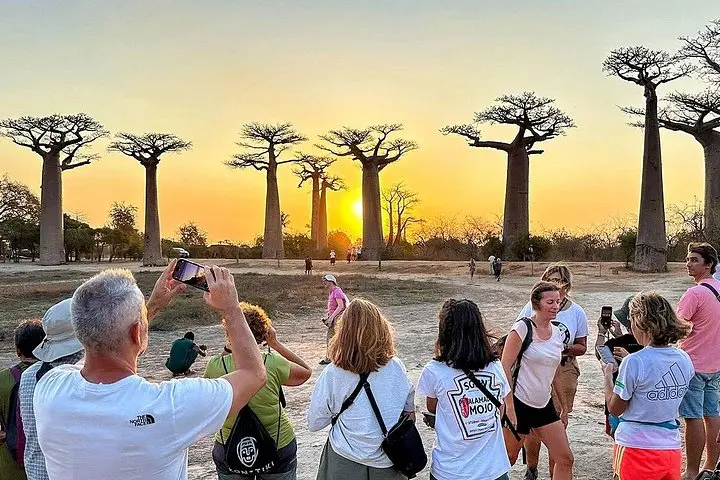
Over seven days you cross central plateaus and dirt tracks to reach Morondava’s ochre coast, stand under the oversized silhouettes of baobabs at sunset, and climb into the limestone labyrinths of Tsingy de Bemaraha where stone knives rise from the earth. The itinerary balances easy drives and short hikes with moments of real wildness: dawn calls from the forest for sifakas, afternoon wind that pushes dust across the road, and caves that hold colonies of bats.
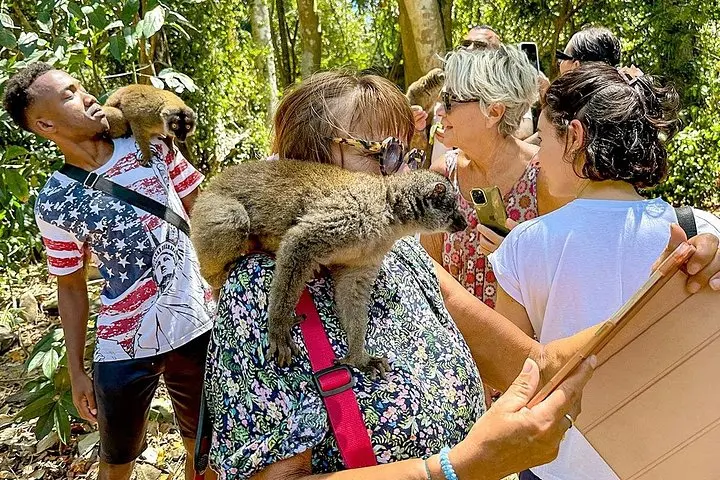
Madagascar’s landscape is the result of long isolation — species and stone evolved apart — and that shows everywhere, from endemic lemurs to the razor karst of the Tsingy (a UNESCO site). Cultural touchpoints include the hilltop royal compound at Ambohimanga and the market rhythms of Tana.
Practical guidance: travel is best in the dry season (May–Oct) when roads to Bekopaka are reliable; expect long road sections in an off-road vehicle and basic lodgings in remote areas. Bring layered clothing for cool highland mornings and breathable fabrics for hot lowland afternoons. Footwear should handle sharp limestone and muddy tracks; a local guide and park entrance fees are included for the Tsingy hikes. Hydration, sun protection, and patience with rustic travel make the trip smooth. The route suits families who want wildlife, dramatic geology, and the iconic Avenue of the Baobabs without extended backcountry camping.
Yes—accommodations and pace are family-oriented with private transfers, but expect long drives and some uneven walking; check medical and mobility needs before booking.
Dry season (May–October) concentrates wildlife around water sources and improves trail access; early mornings and late afternoons are best for sightings.
Yes, local guide services and entrance fees for the mentioned parks are included in the itinerary as described.
Lodges in Bekopaka are basic to mid-range with essential services; expect more comfortable hotels in Antananarivo and Morondava and simpler amenities in remote areas.
Travel China Guide operates guided outdoor trips and adventures with an emphasis on safety, stewardship, and memorable experiences.

You step off the plane into the warm hum of Antananarivo, the city’s red roofs and busy markets pressing close as your guide ushers you to the car.
You step off the plane into the warm hum of Antananarivo, the city’s red roofs and busy markets pressing close as your guide ushers you to the car.
Over seven days you cross central plateaus and dirt tracks to reach Morondava’s ochre coast, stand under the oversized silhouettes of baobabs at sunset, and climb into the limestone labyrinths of Tsingy de Bemaraha where stone knives rise from the earth. The itinerary balances easy drives and short hikes with moments of real wildness: dawn calls from the forest for sifakas, afternoon wind that pushes dust across the road, and caves that hold colonies of bats.
Madagascar’s landscape is the result of long isolation — species and stone evolved apart — and that shows everywhere, from endemic lemurs to the razor karst of the Tsingy (a UNESCO site). Cultural touchpoints include the hilltop royal compound at Ambohimanga and the market rhythms of Tana.
Practical guidance: travel is best in the dry season (May–Oct) when roads to Bekopaka are reliable; expect long road sections in an off-road vehicle and basic lodgings in remote areas. Bring layered clothing for cool highland mornings and breathable fabrics for hot lowland afternoons. Footwear should handle sharp limestone and muddy tracks; a local guide and park entrance fees are included for the Tsingy hikes. Hydration, sun protection, and patience with rustic travel make the trip smooth. The route suits families who want wildlife, dramatic geology, and the iconic Avenue of the Baobabs without extended backcountry camping.