THE ADVENTURE COLLECTIVE® · Independent discovery and booking for outdoor travel

Witness the pulse of the Great Migration on a seven-day safari that chases wildebeest from central Serengeti to the Mara River crossings and down to Ngorongoro Crater. Expect long drives, tented camps, and front-row views of river-crossing drama.
Witness the pulse of the Great Migration on a seven-day safari that chases wildebeest from central Serengeti to the Mara River crossings and down to Ngorongoro Crater. Expect long drives, tented camps, and front-row views of river-crossing drama.
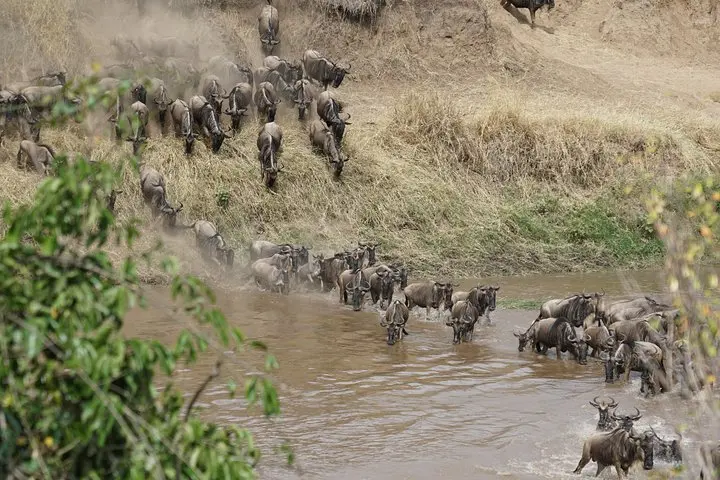
Dawn breaks over the endless grass of the northern Serengeti and the Mara River throws a mirror of early light between its steep banks. Dust rises as jeeps thread through acacia shadows; in the distance, a line of wildebeest snakes toward the water, animals crowding the riverbank while crocodiles wait with patient aggression. This is the crossing—the moment visitors plan travel for, and it arrives with chaotic, electric intensity.
Verified experiences and guided adventures in the surrounding area.
Operated by Long Way Expeditions Ltd · Serengeti (Northern), Mara Region
Dawn breaks over the endless grass of the northern Serengeti and the Mara River throws a mirror of early light between its steep banks. Dust rises as jeeps thread through acacia shadows; in the distance, a line of wildebeest snakes toward the water, animals crowding the riverbank while crocodiles wait with patient aggression. This is the crossing—the moment visitors plan travel for, and it arrives with chaotic, electric intensity.
The Serengeti’s plains were carved by tectonic shifts and nourished by seasonal rains that push life into motion. The Mara River, fed from the Kenyan highlands, carved the northern drainage and became the stage for one of nature’s largest terrestrial migrations. Local Maasai culture has long read the movements of herds as seasonal calendars; historic trade routes and colonial-era conservation decisions shaped today’s park boundaries and tourism patterns.
Expect long drives between viewing points, game en route on open plains, and nights in tented bush camps and crater-rim lodges. Vehicles are the vantage point; guides use spoor, wind direction and herd behavior to predict crossings. Wildlife viewing is weather- and migration-dependent—timing matters.
Practical guidance: travel light, bring layered clothing for cool mornings and hot afternoons, and carry a binocular and a charged camera with telephoto. Hydrate and protect skin from sun and dust; the best crossing windows are low-light hours when animals test the river. Respect park rules and your guide’s instructions—wildlife moves on its own timetable and safety depends on keeping distance.
This seven-day circuit from Arusha through central and northern Serengeti, then Ngorongoro, offers concentrated chances to witness the Mara River crossings while combining classic crater and plain safari experiences.
Crossings are most commonly observed in the northern Serengeti between July and October in many years, but exact timing shifts with rains—allow schedule flexibility.
Park entrance fees are commonly separate on many safari bookings; confirm with the operator before travel to understand what is included.
The itinerary is vehicle-based and listed as physically easy by some operators, but long drives and uneven terrain at stops may challenge very young children or those with limited mobility—check specifics with the provider.
Yellow fever vaccination may be required depending on origin; bring anti-malarial advice from a travel doctor, and pack basic first-aid and any prescription medications.
Long Way Expeditions Ltd operates guided outdoor trips and adventures with an emphasis on safety, stewardship, and memorable experiences.
Dawn breaks over the endless grass of the northern Serengeti and the Mara River throws a mirror of early light between its steep banks. Dust rises as jeeps thread through acacia shadows; in the distance, a line of wildebeest snakes toward the water, animals crowding the riverbank while crocodiles wait with patient aggression. This is the crossing—the moment visitors plan travel for, and it arrives with chaotic, electric intensity.
Dawn breaks over the endless grass of the northern Serengeti and the Mara River throws a mirror of early light between its steep banks. Dust rises as jeeps thread through acacia shadows; in the distance, a line of wildebeest snakes toward the water, animals crowding the riverbank while crocodiles wait with patient aggression. This is the crossing—the moment visitors plan travel for, and it arrives with chaotic, electric intensity.
The Serengeti’s plains were carved by tectonic shifts and nourished by seasonal rains that push life into motion. The Mara River, fed from the Kenyan highlands, carved the northern drainage and became the stage for one of nature’s largest terrestrial migrations. Local Maasai culture has long read the movements of herds as seasonal calendars; historic trade routes and colonial-era conservation decisions shaped today’s park boundaries and tourism patterns.
Expect long drives between viewing points, game en route on open plains, and nights in tented bush camps and crater-rim lodges. Vehicles are the vantage point; guides use spoor, wind direction and herd behavior to predict crossings. Wildlife viewing is weather- and migration-dependent—timing matters.
Practical guidance: travel light, bring layered clothing for cool mornings and hot afternoons, and carry a binocular and a charged camera with telephoto. Hydrate and protect skin from sun and dust; the best crossing windows are low-light hours when animals test the river. Respect park rules and your guide’s instructions—wildlife moves on its own timetable and safety depends on keeping distance.
This seven-day circuit from Arusha through central and northern Serengeti, then Ngorongoro, offers concentrated chances to witness the Mara River crossings while combining classic crater and plain safari experiences.