THE ADVENTURE COLLECTIVE® · Independent discovery and booking for outdoor travel

Swap Marrakech’s alleys for Atlas passes, rose-scented valleys and the orange waves of Erg Chebbi. Over seven days this private adventure moves from waterfalls and gorges to desert camps, offering geology, culture and off‑road exploration with practical pacing and local guides.
Swap Marrakech’s alleys for Atlas passes, rose-scented valleys and the orange waves of Erg Chebbi. Over seven days this private adventure moves from waterfalls and gorges to desert camps, offering geology, culture and off‑road exploration with practical pacing and local guides.
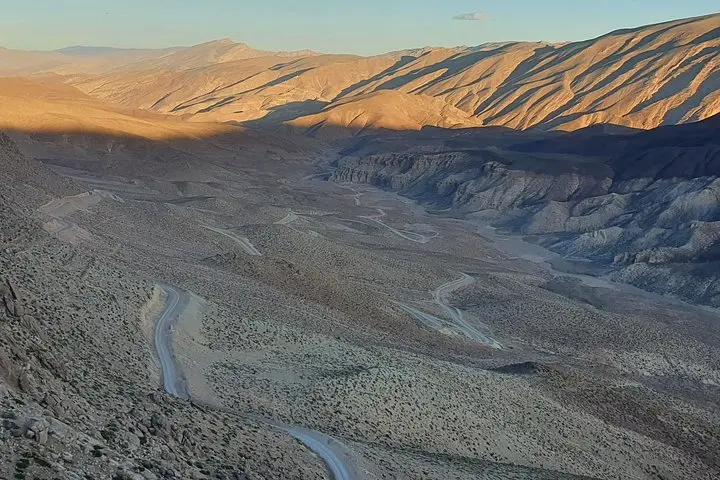
Morning light in Marrakech slants across ochre walls as an air‑conditioned 4x4 pulls away from the medina, trading city clamor for long, sunburned roads. Within hours the High Atlas rises—hairpin passes, stony terraces and the Tichka pass at 2,260 m—then the landscape loosens into rose gardens, river valleys and the orange-gold ribs of Erg Chebbi.
Verified experiences and guided adventures in the surrounding area.
Operated by Morocco Exposure · Marrakech, Marrakech-Safi
Morning light in Marrakech slants across ochre walls as an air‑conditioned 4x4 pulls away from the medina, trading city clamor for long, sunburned roads. Within hours the High Atlas rises—hairpin passes, stony terraces and the Tichka pass at 2,260 m—then the landscape loosens into rose gardens, river valleys and the orange-gold ribs of Erg Chebbi.
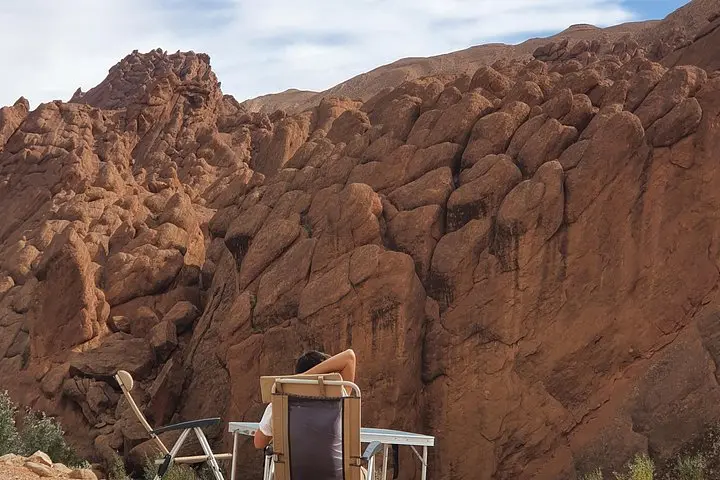
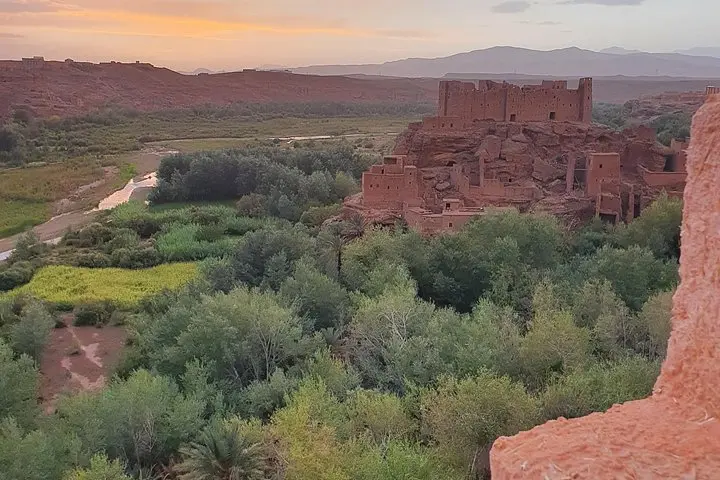
This itinerary threads Morocco’s natural and human history: millennia of trade across Sijilmasa, fortified kasbahs built by the Glaoui, and Berber agricultural terraces that shaped fragile mountain soils. Geology reads like a slow-motion sculptor—rivers carving Dades and Todra gorges, wind shaping the Sahara’s dunes into living sculptures. Culture arrives in small gestures: mint tea shared with nomads, cooperative workshops stripping oil from roses, and Gnaoua rhythms in Khamlia.
Practical edge: expect seven days of mixed terrain—paved highways, gravel tracks and short canyon walks (Todra’s river walk is roughly 1 hour; some off‑road stretches climb to 3,005 m around Mgoun). Accommodations alternate riads, kasbahs and a luxury desert camp; most lunches and many dinners are included. Night temperatures in the desert can drop sharply; bring layers and sun protection. Hydration and steady footwear matter more on scree and dune slopes than on flat roads. If you plan a dromedary ride or sandboarding, allow for limited mobility and uneven footing.
Timing: sunrise in Erg Chebbi and sunset at Ait Benhaddou are the trip’s photo bookends—schedule camera batteries and water accordingly. With straightforward logistics and an experienced guide, this route balances cultural contact and unhurried nature immersion.
Moderate: most days are spent driving with several short to moderate walks (gorges, kasbahs, short dune treks); no technical climbing is required.
Most breakfasts, lunches and several dinners plus six nights’ accommodation (3–4 star riads/kasbahs and a desert camp) are included—check the booking page for exact inclusions.
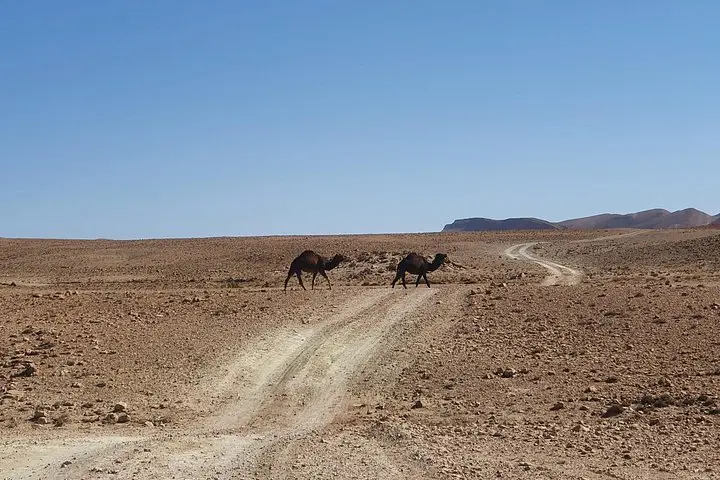
Yes—dromedary rides over Erg Chebbi are guided and typically gentle, but riders must be able to mount/unmount and tolerate uneven motion; alternatives like quad or buggy rides are usually available.
Visa requirements vary by nationality; routine vaccinations are recommended—check current travel advisories and consult your doctor well before departure.
Morocco Exposure operates guided outdoor trips and adventures with an emphasis on safety, stewardship, and memorable experiences.
Morning light in Marrakech slants across ochre walls as an air‑conditioned 4x4 pulls away from the medina, trading city clamor for long, sunburned roads. Within hours the High Atlas rises—hairpin passes, stony terraces and the Tichka pass at 2,260 m—then the landscape loosens into rose gardens, river valleys and the orange-gold ribs of Erg Chebbi.
Morning light in Marrakech slants across ochre walls as an air‑conditioned 4x4 pulls away from the medina, trading city clamor for long, sunburned roads. Within hours the High Atlas rises—hairpin passes, stony terraces and the Tichka pass at 2,260 m—then the landscape loosens into rose gardens, river valleys and the orange-gold ribs of Erg Chebbi.
This itinerary threads Morocco’s natural and human history: millennia of trade across Sijilmasa, fortified kasbahs built by the Glaoui, and Berber agricultural terraces that shaped fragile mountain soils. Geology reads like a slow-motion sculptor—rivers carving Dades and Todra gorges, wind shaping the Sahara’s dunes into living sculptures. Culture arrives in small gestures: mint tea shared with nomads, cooperative workshops stripping oil from roses, and Gnaoua rhythms in Khamlia.
Practical edge: expect seven days of mixed terrain—paved highways, gravel tracks and short canyon walks (Todra’s river walk is roughly 1 hour; some off‑road stretches climb to 3,005 m around Mgoun). Accommodations alternate riads, kasbahs and a luxury desert camp; most lunches and many dinners are included. Night temperatures in the desert can drop sharply; bring layers and sun protection. Hydration and steady footwear matter more on scree and dune slopes than on flat roads. If you plan a dromedary ride or sandboarding, allow for limited mobility and uneven footing.
Timing: sunrise in Erg Chebbi and sunset at Ait Benhaddou are the trip’s photo bookends—schedule camera batteries and water accordingly. With straightforward logistics and an experienced guide, this route balances cultural contact and unhurried nature immersion.