THE ADVENTURE COLLECTIVE® · Independent discovery and booking for outdoor travel

Cross Morocco from Marrakech to Tangier in seven days: kasbahs and cedar forests, palm valleys and Sahara dunes, Fez’s medina and Chefchaouen’s blue alleys. This private itinerary mixes cultural walking with a luxury desert camp and active desert experiences.
Cross Morocco from Marrakech to Tangier in seven days: kasbahs and cedar forests, palm valleys and Sahara dunes, Fez’s medina and Chefchaouen’s blue alleys. This private itinerary mixes cultural walking with a luxury desert camp and active desert experiences.
Sunlight slants across the ochre walls of an ancient kasbah as the tour vehicle slips out of Marrakech before dawn. Over seven days you trade city alleys for cedar forests, palm-lined valleys and the dune seas of Erg Chebbi — a route that reads like Morocco’s geography lesson: High Atlas passes, Ziz Valley palms, Sahara silence, then the blue alleys of Chefchaouen and the Atlantic approaches to Tangier.
Verified experiences and guided adventures in the surrounding area.
Operated by Come With Us Tours · Marrakech, Marrakech-Safi
Sunlight slants across the ochre walls of an ancient kasbah as the tour vehicle slips out of Marrakech before dawn. Over seven days you trade city alleys for cedar forests, palm-lined valleys and the dune seas of Erg Chebbi — a route that reads like Morocco’s geography lesson: High Atlas passes, Ziz Valley palms, Sahara silence, then the blue alleys of Chefchaouen and the Atlantic approaches to Tangier.
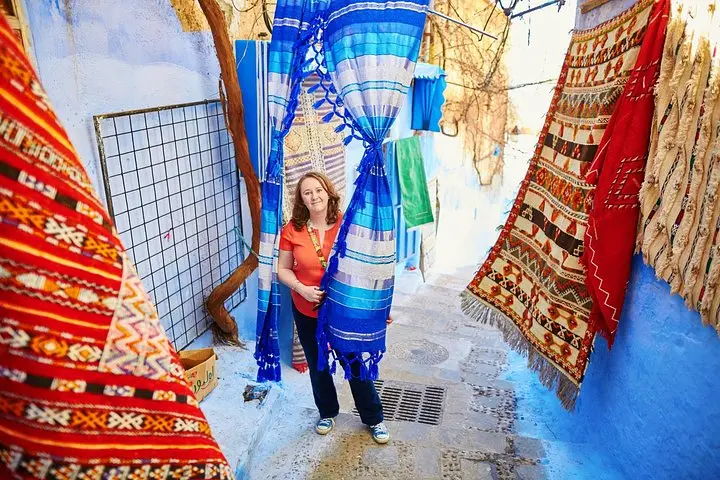
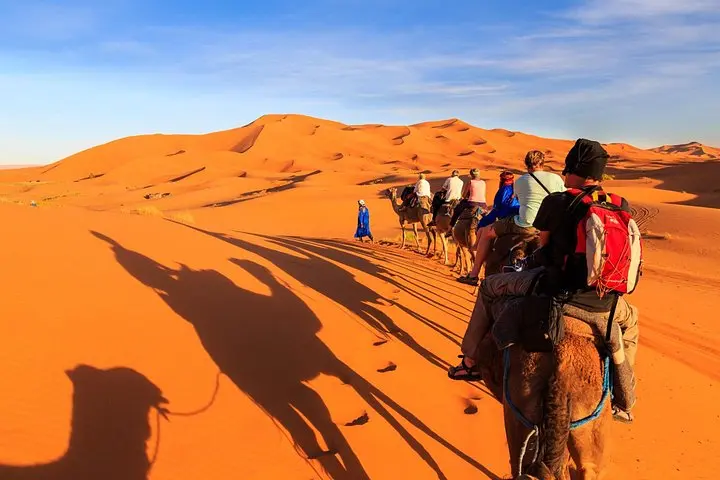
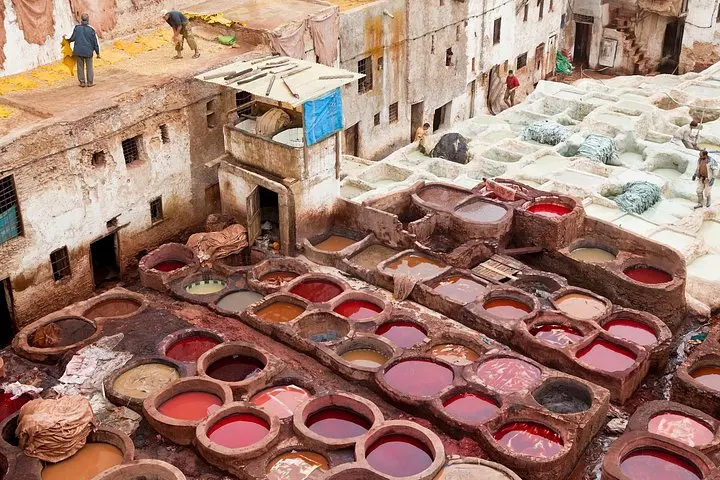
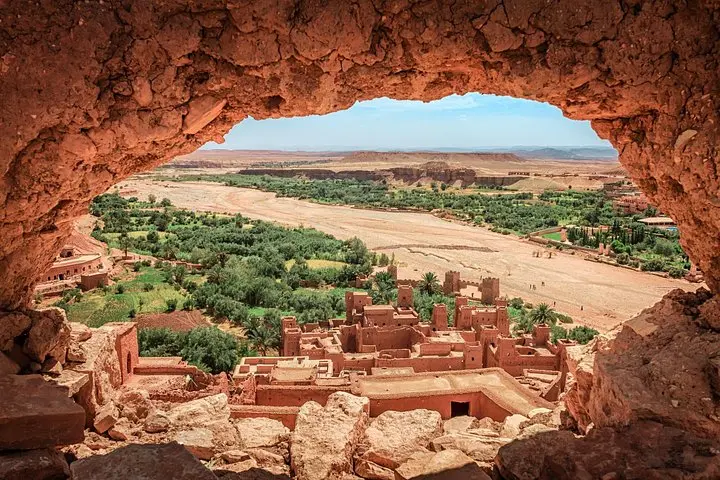
Ait Ben Haddou, a UNESCO kasbah on day one, points to the region’s caravan past and the mudbrick architecture that shaped trade and defense. The Atlas range records tectonic uplift in folded limestone and red sandstone; the Ziz Valley’s palms are relics of human irrigation and oasis culture. In Merzouga you’ll feel the dunes move beneath camel hooves and can try sandboarding on wind-sculpted faces. Chefchaouen’s painted lanes reflect Andalusi and Berber influences; Fez’s medina preserves medieval urban planning and one of the world’s oldest universities.
Practically: expect long drives with frequent stops, one luxury desert-camp night with en-suite facilities, and local guides for medina walks and musical visits in Khamlia. Hydration, sun protection and layered clothing matter—desert days are hot, nights can be cold. Footwear should handle cobbles and loose sand. Accommodations are riads and small hotels, offering warm showers and local meals. If you want quieter photos, request earlier departures at key viewpoints. This itinerary balances cultural walking, light activity and immersive desert time — ideal for travelers who want Morocco’s diversity without backcountry logistics.
Camel rides to the desert camp are gentle and short (30–60 minutes); boarding is easy and no prior experience is required.
Yes — the itinerary includes six breakfasts and dinners, one overnight in a luxury desert camp with en-suite bathroom, and five nights in riads or hotels.
Local guides can arrange vegetarian or allergy-friendly meals with advance notice—provide details at booking.
The tour is rated easy to moderate; it’s family-friendly but not recommended for those with serious spinal issues or pregnant travelers per provider guidance.
Come With Us Tours operates guided outdoor trips and adventures with an emphasis on safety, stewardship, and memorable experiences.
Sunlight slants across the ochre walls of an ancient kasbah as the tour vehicle slips out of Marrakech before dawn. Over seven days you trade city alleys for cedar forests, palm-lined valleys and the dune seas of Erg Chebbi — a route that reads like Morocco’s geography lesson: High Atlas passes, Ziz Valley palms, Sahara silence, then the blue alleys of Chefchaouen and the Atlantic approaches to Tangier.
Sunlight slants across the ochre walls of an ancient kasbah as the tour vehicle slips out of Marrakech before dawn. Over seven days you trade city alleys for cedar forests, palm-lined valleys and the dune seas of Erg Chebbi — a route that reads like Morocco’s geography lesson: High Atlas passes, Ziz Valley palms, Sahara silence, then the blue alleys of Chefchaouen and the Atlantic approaches to Tangier.
Ait Ben Haddou, a UNESCO kasbah on day one, points to the region’s caravan past and the mudbrick architecture that shaped trade and defense. The Atlas range records tectonic uplift in folded limestone and red sandstone; the Ziz Valley’s palms are relics of human irrigation and oasis culture. In Merzouga you’ll feel the dunes move beneath camel hooves and can try sandboarding on wind-sculpted faces. Chefchaouen’s painted lanes reflect Andalusi and Berber influences; Fez’s medina preserves medieval urban planning and one of the world’s oldest universities.
Practically: expect long drives with frequent stops, one luxury desert-camp night with en-suite facilities, and local guides for medina walks and musical visits in Khamlia. Hydration, sun protection and layered clothing matter—desert days are hot, nights can be cold. Footwear should handle cobbles and loose sand. Accommodations are riads and small hotels, offering warm showers and local meals. If you want quieter photos, request earlier departures at key viewpoints. This itinerary balances cultural walking, light activity and immersive desert time — ideal for travelers who want Morocco’s diversity without backcountry logistics.