THE ADVENTURE COLLECTIVE® · Independent discovery and booking for outdoor travel

A seven-day circuit from Casablanca to Marrakech that pairs imperial cities with Atlas passes and a Sahara overnight. Expect long drives, UNESCO sites, a camel ride into Erg Chebbi and nights in riads and a luxury desert camp.
A seven-day circuit from Casablanca to Marrakech that pairs imperial cities with Atlas passes and a Sahara overnight. Expect long drives, UNESCO sites, a camel ride into Erg Chebbi and nights in riads and a luxury desert camp.
The rattle of the 4x4 eases you out of Casablanca’s Atlantic breeze and into a country of sudden colors and wide horizons.
Verified experiences and guided adventures in the surrounding area.
Operated by Moroccan Tours · Marrakech, Marrakesh-Safi
The rattle of the 4x4 eases you out of Casablanca’s Atlantic breeze and into a country of sudden colors and wide horizons.
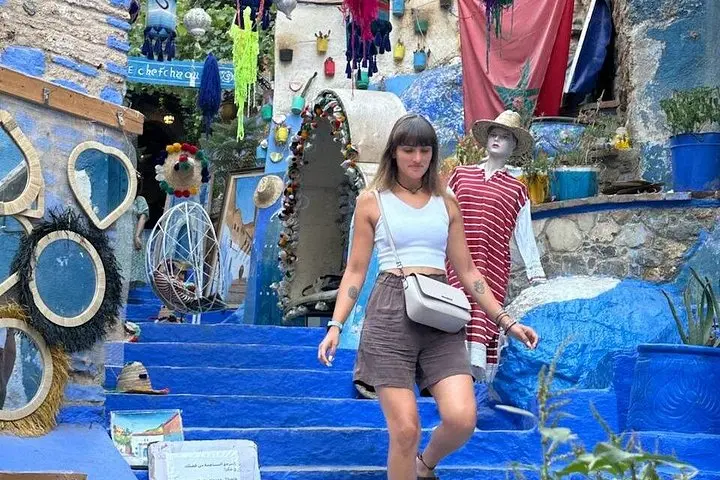
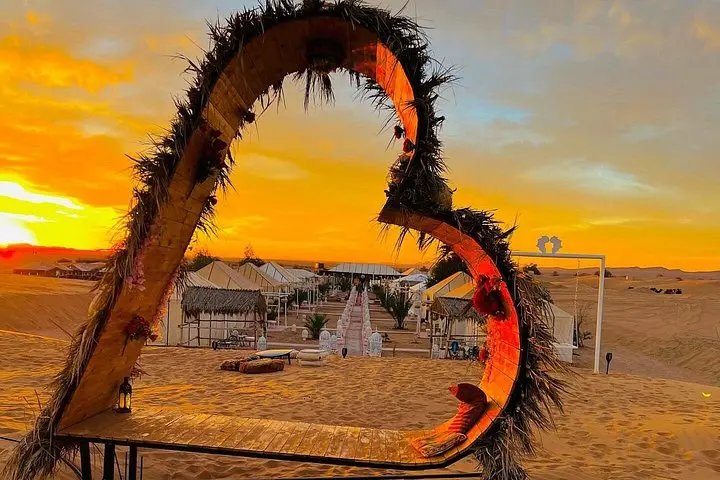
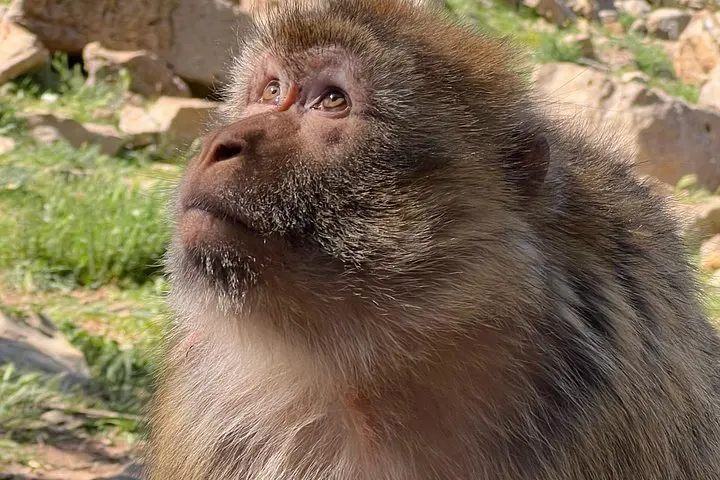
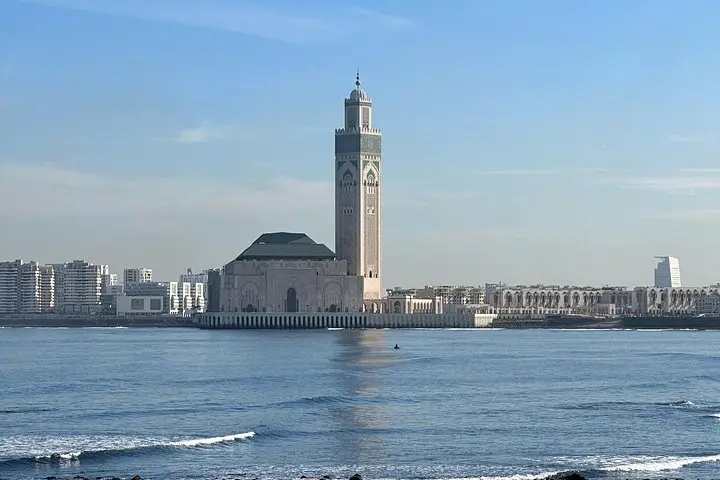
This seven-day route threads imperial cities, mountain passes and sand seas: Hassan II Mosque on the coast, the cobalt alleys of Chefchaouen, Roman mosaics at Volubilis, the labyrinth of Fes’ medina, cedar groves with Barbary macaques, and a camel ride into the orange curves of the Erg Chebbi dunes before finishing over the Tizi n’Tichka pass into Marrakech.
History and geology are vivid company. Volubilis’ stonework recalls Roman Morocco while the ksour and kasbahs speak to centuries of caravan trade. The High Atlas is a young, folded range rising to roughly 2,260 m at Tizi n’Tichka; erosion and seasonal rivers carve deep gorges like Todra. Berber culture remains visible in riad architecture, souk craftwork and desert camp traditions where music marks the night.
Practical guidance: expect several long driving days (often 3–7 hours); one full day crosses varied terrain into Merzouga. Pack layered clothing for cool mountain mornings and hot lowland afternoons, sun protection for dunes, and sturdy shoes for uneven medina alleys and short canyon walks. Sunrise in the Sahara is the best light—plan waking early. Carry local cash for small purchases and tipping; most sites accept cards but remote towns do not. Health considerations include hydration in dry heat and modest dressing at religious sites.
The itinerary balances guided cultural exploration with stretches of wild landscape, making this a compact, varied introduction to Morocco’s cities, mountains and desert.
Most nationalities require a passport valid at least six months; visa requirements vary—check Morocco’s entry rules for your country before travel.
Camel rides are gentle but can be uncomfortable for those with back problems; desert nights are in well-appointed camps but can be cold—inform the operator of mobility issues.
Tipping is customary; plan modest cash tips for your driver, local guides and camp staff—small amounts by local standards are appreciated.
Most accommodations and camps can handle common dietary needs if notified in advance—use the booking’s special requirements field to specify.
Moroccan Tours operates guided outdoor trips and adventures with an emphasis on safety, stewardship, and memorable experiences.
The rattle of the 4x4 eases you out of Casablanca’s Atlantic breeze and into a country of sudden colors and wide horizons.
The rattle of the 4x4 eases you out of Casablanca’s Atlantic breeze and into a country of sudden colors and wide horizons.
This seven-day route threads imperial cities, mountain passes and sand seas: Hassan II Mosque on the coast, the cobalt alleys of Chefchaouen, Roman mosaics at Volubilis, the labyrinth of Fes’ medina, cedar groves with Barbary macaques, and a camel ride into the orange curves of the Erg Chebbi dunes before finishing over the Tizi n’Tichka pass into Marrakech.
History and geology are vivid company. Volubilis’ stonework recalls Roman Morocco while the ksour and kasbahs speak to centuries of caravan trade. The High Atlas is a young, folded range rising to roughly 2,260 m at Tizi n’Tichka; erosion and seasonal rivers carve deep gorges like Todra. Berber culture remains visible in riad architecture, souk craftwork and desert camp traditions where music marks the night.
Practical guidance: expect several long driving days (often 3–7 hours); one full day crosses varied terrain into Merzouga. Pack layered clothing for cool mountain mornings and hot lowland afternoons, sun protection for dunes, and sturdy shoes for uneven medina alleys and short canyon walks. Sunrise in the Sahara is the best light—plan waking early. Carry local cash for small purchases and tipping; most sites accept cards but remote towns do not. Health considerations include hydration in dry heat and modest dressing at religious sites.
The itinerary balances guided cultural exploration with stretches of wild landscape, making this a compact, varied introduction to Morocco’s cities, mountains and desert.