THE ADVENTURE COLLECTIVE® · Independent discovery and booking for outdoor travel

Cross Morocco in seven days—from Casablanca’s coast to Merzouga’s dunes—visiting Chefchaouen, Fes, Todra Gorge and Ait Ben Haddou with a sunset camel trek and overnight in a Berber camp. Expect long drives, varied terrain, and immersive cultural stops.
Cross Morocco in seven days—from Casablanca’s coast to Merzouga’s dunes—visiting Chefchaouen, Fes, Todra Gorge and Ait Ben Haddou with a sunset camel trek and overnight in a Berber camp. Expect long drives, varied terrain, and immersive cultural stops.
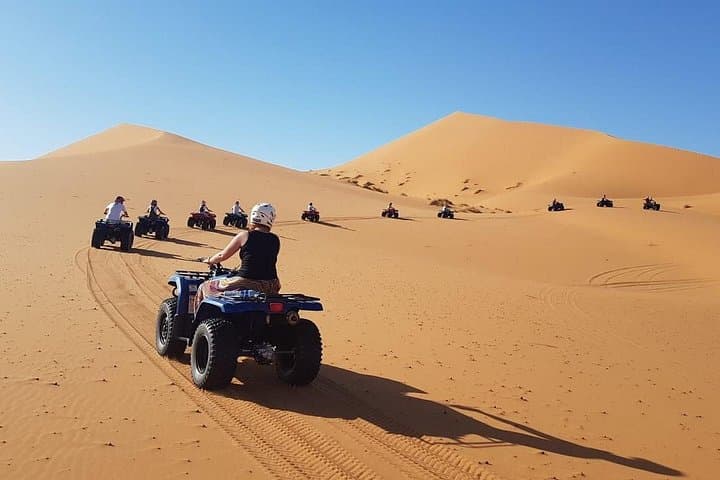
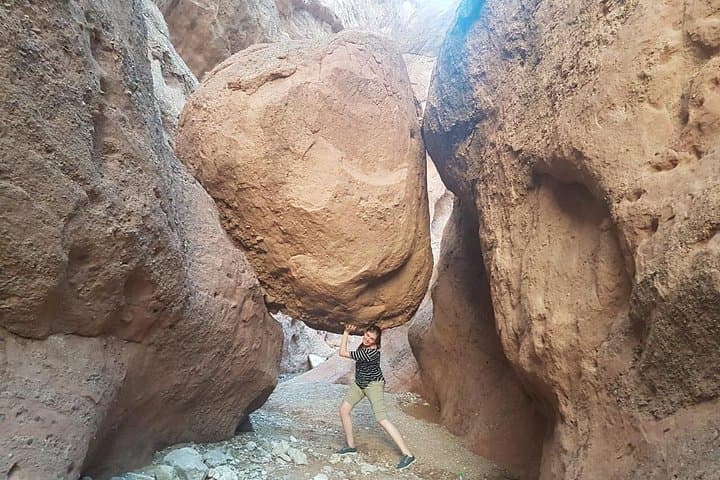
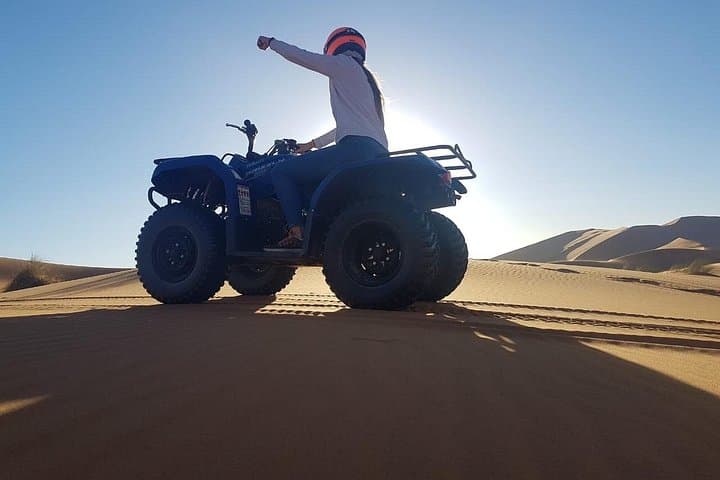
You step out of Casablanca’s modern bustle into wind that already smells of dust and spices, and the road opens. Over seven days you move from Atlantic boulevards into the blue alleys of Chefchaouen, through the medieval lanes of Fes, down Ziz Valley into the sandsea of Merzouga, and finally over High Atlas passes to Marrakech. Each landscape shifts its mood: the Rif’s cedar-scented slopes, the limestone walls of Todra Gorge standing vertical like a carved cathedral, and dunes that push back at your footprints as sunset paints them gold.
Verified experiences and guided adventures in the surrounding area.
Operated by Sahara Riders · Casablanca, Casablanca-Settat
You step out of Casablanca’s modern bustle into wind that already smells of dust and spices, and the road opens. Over seven days you move from Atlantic boulevards into the blue alleys of Chefchaouen, through the medieval lanes of Fes, down Ziz Valley into the sandsea of Merzouga, and finally over High Atlas passes to Marrakech. Each landscape shifts its mood: the Rif’s cedar-scented slopes, the limestone walls of Todra Gorge standing vertical like a carved cathedral, and dunes that push back at your footprints as sunset paints them gold.
This route follows centuries-old trade corridors and Berber settlements. Geologically the trip crosses folded Rif ranges and the sandstone and limestone of the Atlas, with Ziz’s fossil-bearing canyons and the erg sands of the Sahara formed by wind over millennia. Culturally you’ll pass kasbahs like Ait Ben Haddou — a caravan-era stronghold and film location — and sleep in riads or a traditional Berber tent after a short camel trek to camp.
Practical guidance: expect long drives (several 3–6 hour legs), brief guided city walks, and a 45–90 minute camel ride to the desert camp timed for sunset. Pack layered clothing for wide temperature swings, sun protection, and cash for local markets. Wear sturdy shoes for medina cobbles and short canyon walks; bring a refillable bottle — water stops are available but remote stretches can be dry. Plan early starts and allow flexible time in Merzouga and Todra for photos and local encounters; the light at dusk and dawn is the best currency here.
Expect several multi-hour drives spread over the itinerary—typical legs are 3–6 hours between major stops with photo and rest breaks.
No—camel treks to the camp are usually 45–90 minutes at a steady pace, suitable for most travelers; rides can be adjusted as needed.
A mix of riads and hotels in towns, plus an overnight in a traditional Berber desert camp; some nights include breakfast and dinner as noted.
Breakfasts are generally included; local guided tours are provided in key cities like Fes, while other visits feature time for self-guided exploration.
Sahara Riders operates guided outdoor trips and adventures with an emphasis on safety, stewardship, and memorable experiences.

You step out of Casablanca’s modern bustle into wind that already smells of dust and spices, and the road opens. Over seven days you move from Atlantic boulevards into the blue alleys of Chefchaouen, through the medieval lanes of Fes, down Ziz Valley into the sandsea of Merzouga, and finally over High Atlas passes to Marrakech. Each landscape shifts its mood: the Rif’s cedar-scented slopes, the limestone walls of Todra Gorge standing vertical like a carved cathedral, and dunes that push back at your footprints as sunset paints them gold.
You step out of Casablanca’s modern bustle into wind that already smells of dust and spices, and the road opens. Over seven days you move from Atlantic boulevards into the blue alleys of Chefchaouen, through the medieval lanes of Fes, down Ziz Valley into the sandsea of Merzouga, and finally over High Atlas passes to Marrakech. Each landscape shifts its mood: the Rif’s cedar-scented slopes, the limestone walls of Todra Gorge standing vertical like a carved cathedral, and dunes that push back at your footprints as sunset paints them gold.
This route follows centuries-old trade corridors and Berber settlements. Geologically the trip crosses folded Rif ranges and the sandstone and limestone of the Atlas, with Ziz’s fossil-bearing canyons and the erg sands of the Sahara formed by wind over millennia. Culturally you’ll pass kasbahs like Ait Ben Haddou — a caravan-era stronghold and film location — and sleep in riads or a traditional Berber tent after a short camel trek to camp.
Practical guidance: expect long drives (several 3–6 hour legs), brief guided city walks, and a 45–90 minute camel ride to the desert camp timed for sunset. Pack layered clothing for wide temperature swings, sun protection, and cash for local markets. Wear sturdy shoes for medina cobbles and short canyon walks; bring a refillable bottle — water stops are available but remote stretches can be dry. Plan early starts and allow flexible time in Merzouga and Todra for photos and local encounters; the light at dusk and dawn is the best currency here.