THE ADVENTURE COLLECTIVE® · Independent discovery and booking for outdoor travel

A compact seven-day loop from Tangier through Morocco’s imperial cities, the High Atlas, and the Sahara. Expect long drives, short hikes, a camel trek to a Berber camp and immersive cultural stops at UNESCO sites.
A compact seven-day loop from Tangier through Morocco’s imperial cities, the High Atlas, and the Sahara. Expect long drives, short hikes, a camel trek to a Berber camp and immersive cultural stops at UNESCO sites.
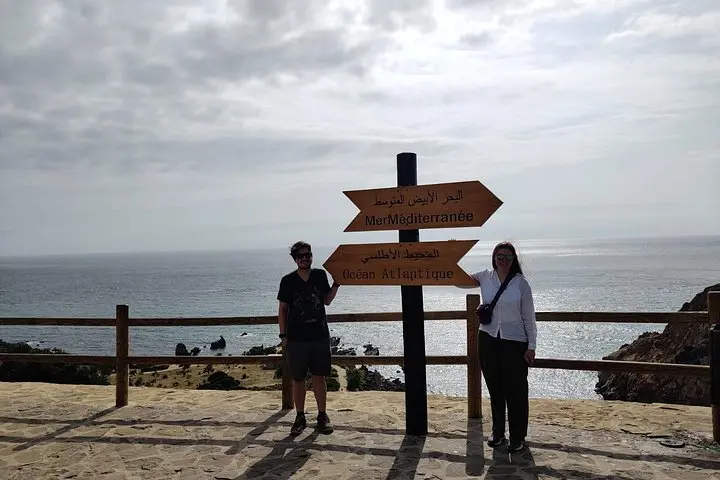
You step off the ferry in Tangier with wind-tangled salt in the air and the city leaning into the Strait of Gibraltar — a sensory start that sets the tone for seven days of landscape shifts and cultural contrast.
Verified experiences and guided adventures in the surrounding area.
Operated by Nasari viajes · Tangier, Tanger-Tetouan-Al Hoceima
You step off the ferry in Tangier with wind-tangled salt in the air and the city leaning into the Strait of Gibraltar — a sensory start that sets the tone for seven days of landscape shifts and cultural contrast.
From Tangier the route threads through Rabat’s wide boulevards to Casablanca’s modern coastline, then dives into Marrakech’s frenetic market squares. The Atlas Mountains take command on day three: the Tizi n’Tichka pass climbs to about 2,260 m, where cedar forests give way to stony ridgelines. Ait Ben Haddou’s earthen kasbahs speak to centuries of caravan trade and film sets alike, while the Todra and Dades gorges reveal limestone walls that funnel light and water into narrow canyons.
The Sahara leg centers on Merzouga, where dunes shift under your feet and a short camel trek delivers you to a Berber camp for a night of drums and stars. Northern detours include Fez’s medieval medina with its tannery terraces and Chefchaouen’s blue-painted lanes in the Rif Mountains.
Practical edge: expect long driving days (several segments of 4–6 hours), varied elevation (sea level to 2,260 m), and short walks on uneven terrain. Nights in desert camps are cold — layers and a warm sleeping layer are essential. Carry cash for local markets, wear sun protection in open landscapes, and allow time for altitude and heat changes when planning photography or hikes.
This tour blends guided sightseeing, light walking, a camel experience, and overnight stays in handpicked lodgings — a compact, logistics-light way to sample Morocco’s geographic and cultural range.
Visa requirements vary by nationality; check Morocco’s current entry rules well before travel and ensure passports are valid for at least six months.
The camel trek to the camp is a short, low-intensity ride suitable for most people; you should be comfortable mounting and dismounting and sitting for up to an hour.
The itinerary includes handpicked accommodations and several meals, but confirm which meals are covered at booking and carry cash for extras or optional experiences.
The tour is marketed as suitable for a wide range of fitness levels, but consider long driving days and desert conditions; consult the operator about specific mobility needs.
Nasari viajes operates guided outdoor trips and adventures with an emphasis on safety, stewardship, and memorable experiences.
You step off the ferry in Tangier with wind-tangled salt in the air and the city leaning into the Strait of Gibraltar — a sensory start that sets the tone for seven days of landscape shifts and cultural contrast.
You step off the ferry in Tangier with wind-tangled salt in the air and the city leaning into the Strait of Gibraltar — a sensory start that sets the tone for seven days of landscape shifts and cultural contrast.
From Tangier the route threads through Rabat’s wide boulevards to Casablanca’s modern coastline, then dives into Marrakech’s frenetic market squares. The Atlas Mountains take command on day three: the Tizi n’Tichka pass climbs to about 2,260 m, where cedar forests give way to stony ridgelines. Ait Ben Haddou’s earthen kasbahs speak to centuries of caravan trade and film sets alike, while the Todra and Dades gorges reveal limestone walls that funnel light and water into narrow canyons.
The Sahara leg centers on Merzouga, where dunes shift under your feet and a short camel trek delivers you to a Berber camp for a night of drums and stars. Northern detours include Fez’s medieval medina with its tannery terraces and Chefchaouen’s blue-painted lanes in the Rif Mountains.
Practical edge: expect long driving days (several segments of 4–6 hours), varied elevation (sea level to 2,260 m), and short walks on uneven terrain. Nights in desert camps are cold — layers and a warm sleeping layer are essential. Carry cash for local markets, wear sun protection in open landscapes, and allow time for altitude and heat changes when planning photography or hikes.
This tour blends guided sightseeing, light walking, a camel experience, and overnight stays in handpicked lodgings — a compact, logistics-light way to sample Morocco’s geographic and cultural range.