THE ADVENTURE COLLECTIVE® · Independent discovery and booking for outdoor travel

Experience a less trafficked ascent of Africa’s tallest mountain on the 7-day Lemosho Route. This detailed guide maps out diverse terrain, cultural insight, and essential planning tips to help you summit Kilimanjaro with confidence.
Experience a less trafficked ascent of Africa’s tallest mountain on the 7-day Lemosho Route. This detailed guide maps out diverse terrain, cultural insight, and essential planning tips to help you summit Kilimanjaro with confidence.
The air is thin but charged with anticipation as you begin the 7-day climb up Mount Kilimanjaro via the Lemosho Route, a path favored for its relative solitude and sweeping landscapes. Starting from the lush western slopes near Londorossi Gate, the trail immediately drapes you in rainforest greenery where chatter is swallowed by the dense canopy. The route quickly transitions to the Shira Plateau, revealing broad moorlands dotted with volcanic rock and heather that stretch toward Kilimanjaro’s towering peaks.
Verified experiences and guided adventures in the surrounding area.
Operated by Simba Adventures · Moshi, Kilimanjaro Region
The air is thin but charged with anticipation as you begin the 7-day climb up Mount Kilimanjaro via the Lemosho Route, a path favored for its relative solitude and sweeping landscapes. Starting from the lush western slopes near Londorossi Gate, the trail immediately drapes you in rainforest greenery where chatter is swallowed by the dense canopy. The route quickly transitions to the Shira Plateau, revealing broad moorlands dotted with volcanic rock and heather that stretch toward Kilimanjaro’s towering peaks.
Mount Kilimanjaro, Africa’s highest summit at 5,895 meters, stands as a dormant volcano with three distinct cones—Kibo, Mawenzi, and Shira. The Lemosho Route takes a westerly approach, offering less crowded trails and a strategic advantage for gradual altitude acclimatization, boosting summit success rates.
Over the course of seven days, trekkers cross a diverse range of ecosystems—from rainforest and alpine moorland to the stark, barren scree slopes near Barafu Camp. Key highlights include the Lava Tower, a volcanic pinnacle at 4,640 meters, where you pause for lunch in thin air and panoramic views. The route’s finale is a grueling nighttime summit push from Barafu Camp to Uhuru Peak, demanding stamina and mental resilience as temperatures plummet and the path steepens.
Locally guided by expert teams from Moshi or Arusha, this trek also embodies Tanzanian culture, with porters and guides drawing from generations of mountain experience. The guides not only help you navigate challenging terrain but also ensure sustainable practices are followed—critical in this UNESCO World Heritage site.
Practical planning means preparing for a seven-day trek totaling about 65 kilometers and a cumulative elevation gain exceeding 3,500 meters. An average daily trek duration is 5 to 7 hours, though summit day requires up to 12 hours due to difficult altitude and steep gradients. Wearing sturdy, broken-in hiking boots with ankle support is essential. Layers are key: mornings start in cold mountain air but warm under the sun. Hydration and pacing cannot be overstated—a liter or more per hour on summit day keeps altitude sickness at bay.
Departures begin in Arusha or Moshi, towns where climbers gear up with last-minute essentials and acclimate to the Tanzanian landscape that is as rich in wildlife as it is in cultural vibrancy. After summiting, the descent returns you through rainforest, ending at Mweka Gate with certificates that mark your achievement and a vehicle ride back to town.
For those seeking a balanced blend of challenge and breathtaking scenery that avoids crowded trails, the Lemosho Route up Kilimanjaro stands rugged and ready, daring climbers to test their limits against Africa’s highest peak.
The dry seasons from late June to October and from late December to February offer the most stable weather and clearer summit conditions.
No technical mountaineering skills are required, but you should have good physical fitness and some hiking experience, especially at elevation.
Summit day is the toughest segment, involving a nighttime climb from 4,640 to 5,895 meters over 6–8 hours, requiring stamina and pacing under cold, low-oxygen conditions.
Yes, certified guides and porters assist with logistics, acclimatization advice, and carrying gear, making the climb safer and more manageable.
Camping in tents at designated campsites along the trail is standard, with meals provided by the support crew.
Altitude sickness can affect anyone; proper acclimatization, hydration, and listening to your guide are critical to managing symptoms.
Simba Adventures operates guided outdoor trips and adventures with an emphasis on safety, stewardship, and memorable experiences.
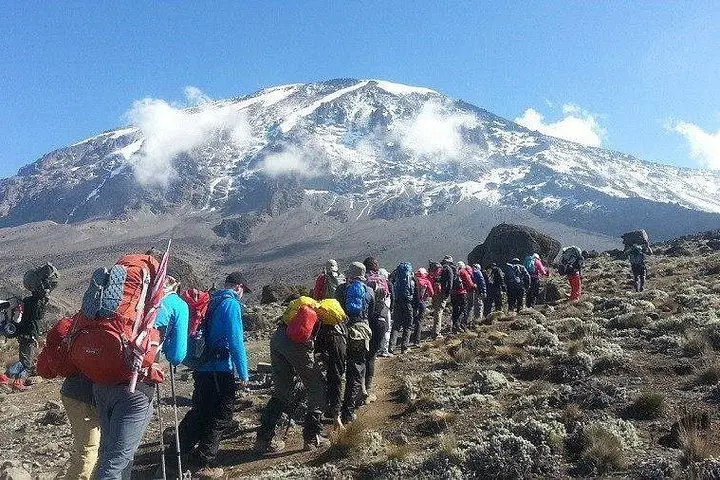
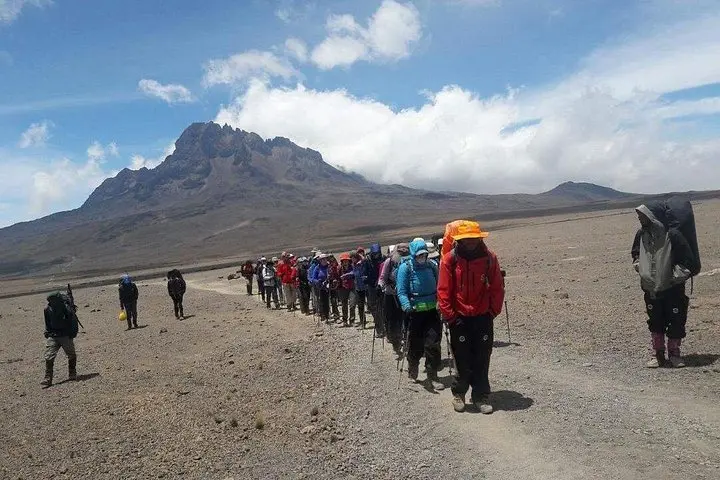
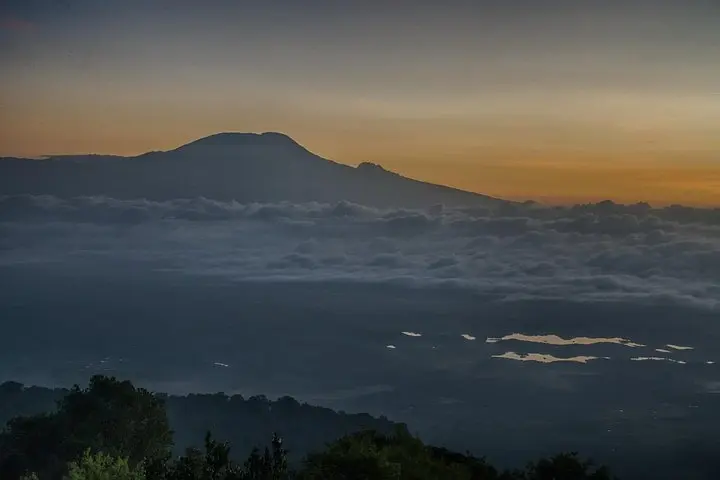
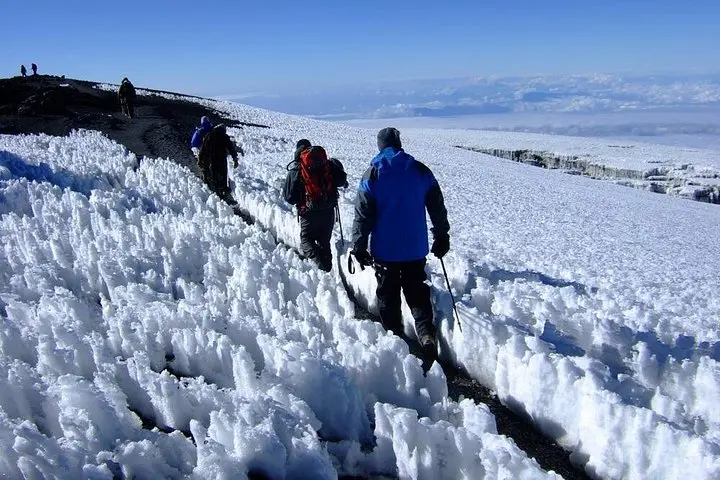
The air is thin but charged with anticipation as you begin the 7-day climb up Mount Kilimanjaro via the Lemosho Route, a path favored for its relative solitude and sweeping landscapes. Starting from the lush western slopes near Londorossi Gate, the trail immediately drapes you in rainforest greenery where chatter is swallowed by the dense canopy. The route quickly transitions to the Shira Plateau, revealing broad moorlands dotted with volcanic rock and heather that stretch toward Kilimanjaro’s towering peaks.
The air is thin but charged with anticipation as you begin the 7-day climb up Mount Kilimanjaro via the Lemosho Route, a path favored for its relative solitude and sweeping landscapes. Starting from the lush western slopes near Londorossi Gate, the trail immediately drapes you in rainforest greenery where chatter is swallowed by the dense canopy. The route quickly transitions to the Shira Plateau, revealing broad moorlands dotted with volcanic rock and heather that stretch toward Kilimanjaro’s towering peaks.
Mount Kilimanjaro, Africa’s highest summit at 5,895 meters, stands as a dormant volcano with three distinct cones—Kibo, Mawenzi, and Shira. The Lemosho Route takes a westerly approach, offering less crowded trails and a strategic advantage for gradual altitude acclimatization, boosting summit success rates.
Over the course of seven days, trekkers cross a diverse range of ecosystems—from rainforest and alpine moorland to the stark, barren scree slopes near Barafu Camp. Key highlights include the Lava Tower, a volcanic pinnacle at 4,640 meters, where you pause for lunch in thin air and panoramic views. The route’s finale is a grueling nighttime summit push from Barafu Camp to Uhuru Peak, demanding stamina and mental resilience as temperatures plummet and the path steepens.
Locally guided by expert teams from Moshi or Arusha, this trek also embodies Tanzanian culture, with porters and guides drawing from generations of mountain experience. The guides not only help you navigate challenging terrain but also ensure sustainable practices are followed—critical in this UNESCO World Heritage site.
Practical planning means preparing for a seven-day trek totaling about 65 kilometers and a cumulative elevation gain exceeding 3,500 meters. An average daily trek duration is 5 to 7 hours, though summit day requires up to 12 hours due to difficult altitude and steep gradients. Wearing sturdy, broken-in hiking boots with ankle support is essential. Layers are key: mornings start in cold mountain air but warm under the sun. Hydration and pacing cannot be overstated—a liter or more per hour on summit day keeps altitude sickness at bay.
Departures begin in Arusha or Moshi, towns where climbers gear up with last-minute essentials and acclimate to the Tanzanian landscape that is as rich in wildlife as it is in cultural vibrancy. After summiting, the descent returns you through rainforest, ending at Mweka Gate with certificates that mark your achievement and a vehicle ride back to town.
For those seeking a balanced blend of challenge and breathtaking scenery that avoids crowded trails, the Lemosho Route up Kilimanjaro stands rugged and ready, daring climbers to test their limits against Africa’s highest peak.