THE ADVENTURE COLLECTIVE® · Independent discovery and booking for outdoor travel
A compact week that pairs Kathmandu’s UNESCO heritage with Chitwan’s jungle safaris and Pokhara’s Himalayan viewpoints. Expect varied terrain, wildlife encounters, and daily cultural highlights across Nepal’s most visited corridor.
A compact week that pairs Kathmandu’s UNESCO heritage with Chitwan’s jungle safaris and Pokhara’s Himalayan viewpoints. Expect varied terrain, wildlife encounters, and daily cultural highlights across Nepal’s most visited corridor.
Dawn in Kathmandu arrives slow and dusty, prayer flags catching first light as traffic hums beneath ancient stupas. You begin in the valley — narrow alleys, carved wood, and the ringing of temple bells — then move south into the Terai plains and west toward lake-flanked Pokhara, so the trip reads like a conversation between city, jungle, and mountain.
Verified experiences and guided adventures in the surrounding area.
Operated by Beyond The Limits Treks & Expedition P ltd · Kathmandu, Bagmati Province
Dawn in Kathmandu arrives slow and dusty, prayer flags catching first light as traffic hums beneath ancient stupas. You begin in the valley — narrow alleys, carved wood, and the ringing of temple bells — then move south into the Terai plains and west toward lake-flanked Pokhara, so the trip reads like a conversation between city, jungle, and mountain.
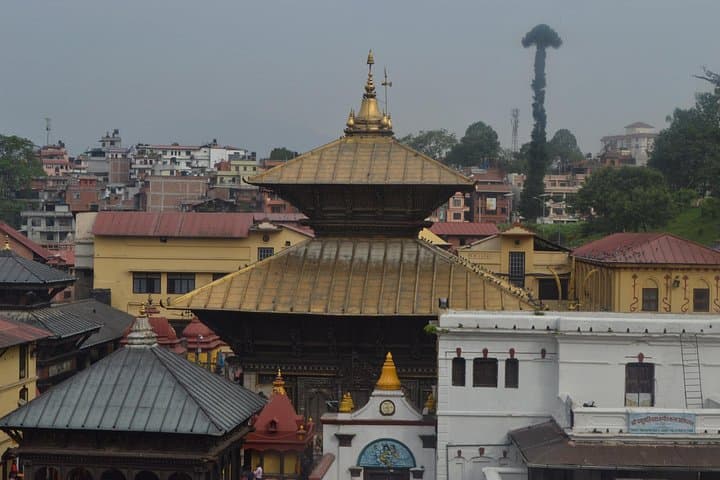
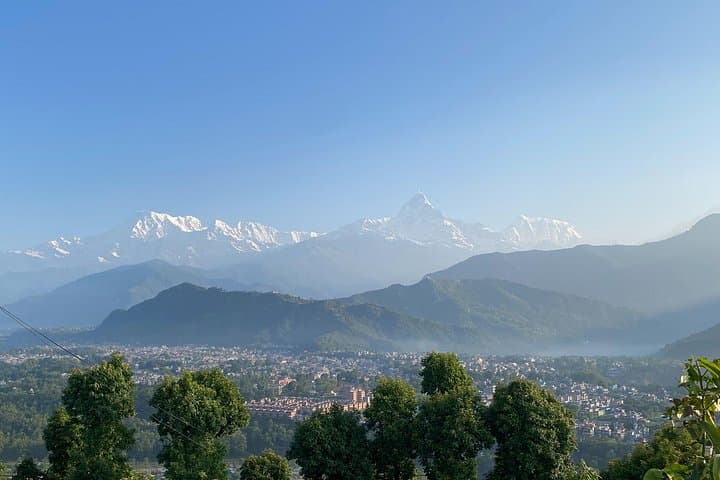
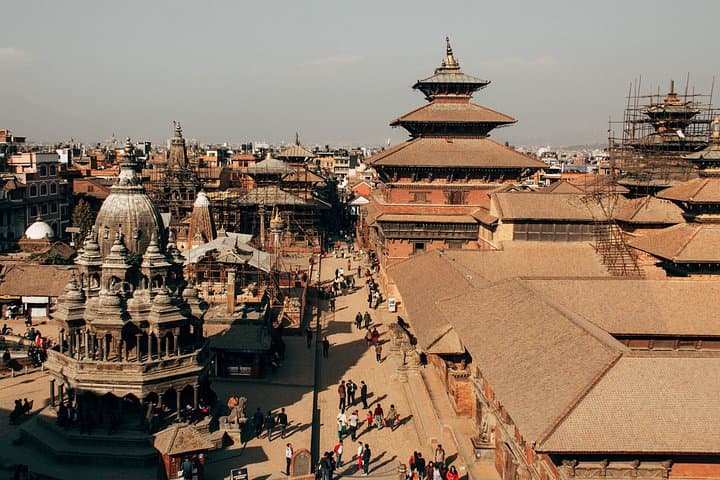
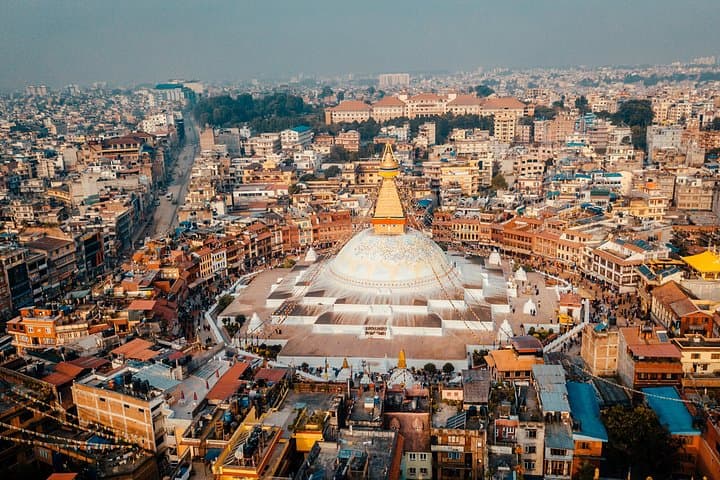
This itinerary threads UNESCO monuments — Pashupatinath, Boudhanath, Durbar Square, and Swayambhunath — with Chitwan National Park’s river channels and Pokhara’s mountain panoramas. Geologically the route drops from the Kathmandu valley (≈1,400 m) down to Chitwan’s lowland Terai (~300–500 m) and back up to Pokhara (~822 m), giving varied ecosystems: urban heritage zones, alluvial floodplains where the Rapti river teases marsh habitat, and glaciated ranges visible from Sarangkot such as Annapurna and Dhaulagiri.
Culturally, expect Tharu village visits and Nepali city rhythms — markets, tea shops, and temple rituals. Wildlife highlights in Chitwan include sightings of the one-horned rhinoceros, a chance at tiger tracks, and rich birdlife; safaris and canoe rides are the practical ways to engage these habitats.
Practical guidance: the road segments are long (Kathmandu–Chitwan ≈160 km, 5–6 hours by tourist bus; Chitwan–Pokhara often 3–4 hours). Pack lightweight layers for valley mornings, sturdy shoes for short hikes and jungle trails, insect repellent for river canoeing, and a small daypack for Sarangkot’s sunrise. Keep hydration, sun protection, and photocopies of travel documents handy — mornings are best for views and wildlife activity, afternoons for relaxed lakeside walks on Phewa Lake.
Routine vaccinations are recommended; consult a travel clinic for typhoid, hepatitis A, and consider tetanus and malaria advice based on season and itinerary.
The itinerary notes Chitwan activities and admission; confirm with the operator whether national park entrance fees and jeep/canoe charges are included at booking.
October–December and March–April generally offer the most stable skies and clear views of the Annapurna and Dhaulagiri ranges.
Daily activities are low-impact: city sightseeing, short walks, and guided jungle safaris; moderate fitness is sufficient for most travelers.
Beyond The Limits Treks & Expedition P ltd operates guided outdoor trips and adventures with an emphasis on safety, stewardship, and memorable experiences.
Dawn in Kathmandu arrives slow and dusty, prayer flags catching first light as traffic hums beneath ancient stupas. You begin in the valley — narrow alleys, carved wood, and the ringing of temple bells — then move south into the Terai plains and west toward lake-flanked Pokhara, so the trip reads like a conversation between city, jungle, and mountain.
Dawn in Kathmandu arrives slow and dusty, prayer flags catching first light as traffic hums beneath ancient stupas. You begin in the valley — narrow alleys, carved wood, and the ringing of temple bells — then move south into the Terai plains and west toward lake-flanked Pokhara, so the trip reads like a conversation between city, jungle, and mountain.
This itinerary threads UNESCO monuments — Pashupatinath, Boudhanath, Durbar Square, and Swayambhunath — with Chitwan National Park’s river channels and Pokhara’s mountain panoramas. Geologically the route drops from the Kathmandu valley (≈1,400 m) down to Chitwan’s lowland Terai (~300–500 m) and back up to Pokhara (~822 m), giving varied ecosystems: urban heritage zones, alluvial floodplains where the Rapti river teases marsh habitat, and glaciated ranges visible from Sarangkot such as Annapurna and Dhaulagiri.
Culturally, expect Tharu village visits and Nepali city rhythms — markets, tea shops, and temple rituals. Wildlife highlights in Chitwan include sightings of the one-horned rhinoceros, a chance at tiger tracks, and rich birdlife; safaris and canoe rides are the practical ways to engage these habitats.
Practical guidance: the road segments are long (Kathmandu–Chitwan ≈160 km, 5–6 hours by tourist bus; Chitwan–Pokhara often 3–4 hours). Pack lightweight layers for valley mornings, sturdy shoes for short hikes and jungle trails, insect repellent for river canoeing, and a small daypack for Sarangkot’s sunrise. Keep hydration, sun protection, and photocopies of travel documents handy — mornings are best for views and wildlife activity, afternoons for relaxed lakeside walks on Phewa Lake.
