THE ADVENTURE COLLECTIVE® · Independent discovery and booking for outdoor travel

Trace the life of the Buddha across Kathmandu, Namobuddha and the sacred gardens of Lumbini on a seven-day pilgrimage. This accessible tour pairs short hikes, domestic flights and monastery stays with clear logistics and cultural insight.
Trace the life of the Buddha across Kathmandu, Namobuddha and the sacred gardens of Lumbini on a seven-day pilgrimage. This accessible tour pairs short hikes, domestic flights and monastery stays with clear logistics and cultural insight.
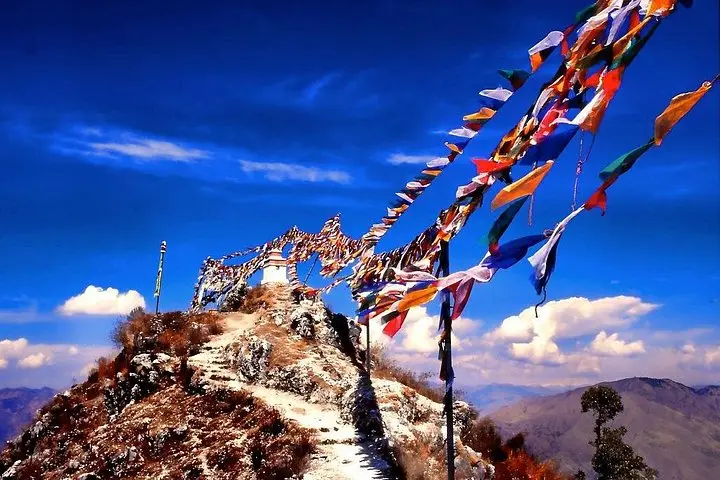
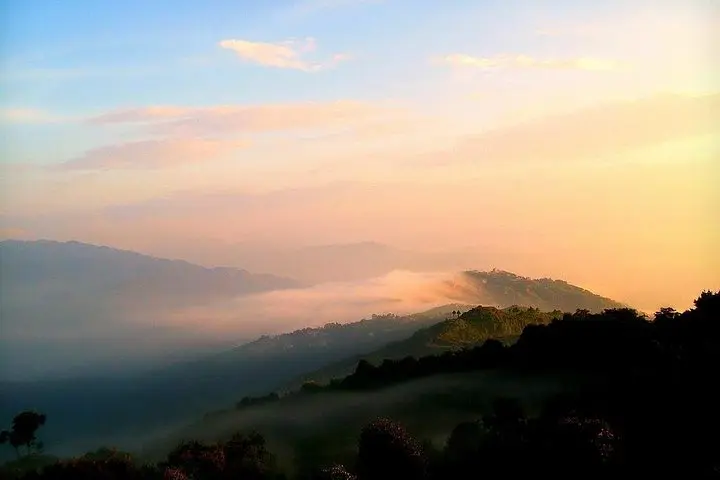
You step out of a low Himalayan dawn onto the courtyard of a monastery, prayer flags snapping like small sails above you and the smell of incense tracking the cool air. Over the next week the route folds between crowded Kathmandu alleys, terraced valley slopes and the open sacred garden at Lumbini—where an Ashoka pillar marks the traditional birthplace of Siddhartha Gautama.
Verified experiences and guided adventures in the surrounding area.
Operated by Osho world Adventure · Kathmandu, Bagmati Province
You step out of a low Himalayan dawn onto the courtyard of a monastery, prayer flags snapping like small sails above you and the smell of incense tracking the cool air. Over the next week the route folds between crowded Kathmandu alleys, terraced valley slopes and the open sacred garden at Lumbini—where an Ashoka pillar marks the traditional birthplace of Siddhartha Gautama.
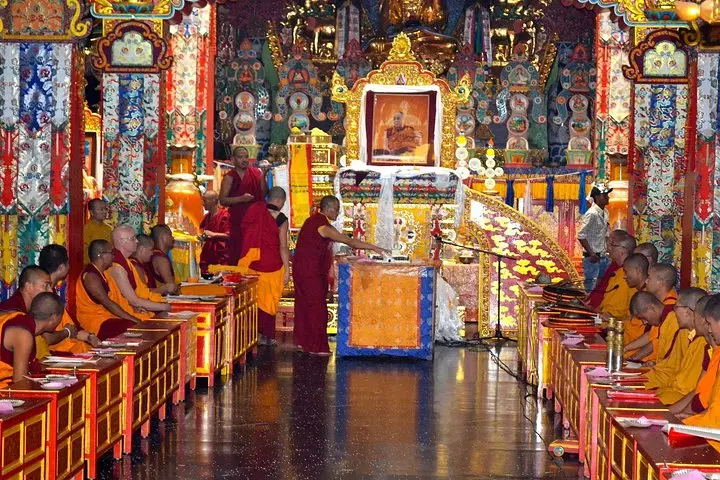
This itinerary balances cultural immersion with light fieldwork: short domestic flights (Kathmandu–Bhairahawa), a four-hour day-hike to Namobuddha, monastery visits at Kopan and the Himalayan Buddhist Meditation Centre, and slow mornings in Lumbini’s international monastic zone. Geologically you move from the sedimentary plains of the Terai up into the Kathmandu Valley rim—gentle hills and terraced farms rather than alpine climbs—so expect graded tracks and paved approaches more than technical trails.
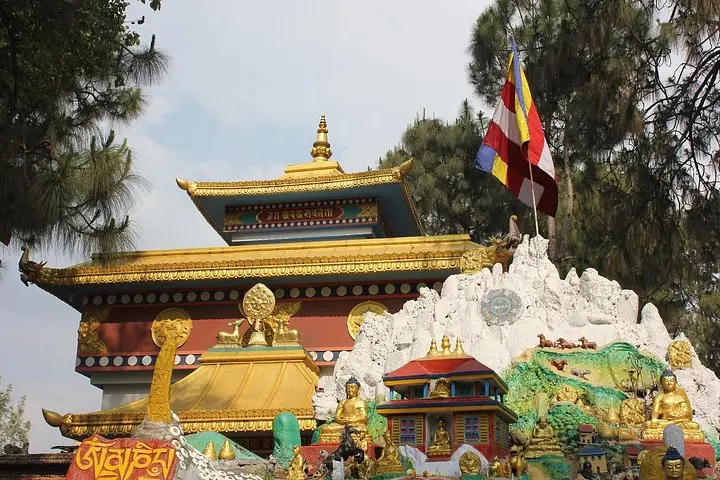
Historically Lumbini is a UNESCO World Heritage site marked by the Ashoka pillar and the Maya Devi Temple; Namobuddha is centered on a local Jataka legend of compassion. Culturally, many monasteries were built and sponsored by foreign Buddhist communities; you’ll see differing architectural styles from Japan, Thailand and Sri Lanka.
Practical guidance: pack modest clothing for temple etiquette, a daypack and water for hikes, and carry local currency for small purchases. The Namobuddha hike involves ~2–3 hours of mixed dirt and stone paths with ~300–400m cumulative ascent; sturdy shoes and a steady pace keep the day comfortable. Plan early starts to avoid midday heat and allow time for short flights and transfer windows. With basic fitness and cultural respect, this tour is an accessible, contemplative way to experience Nepal’s living Buddhist heritage.
No. The tour is cultural and open to all faiths; visitors are asked to respect religious practices and follow dress codes.
Expect 2–3 hours round-trip on mixed terrain with about 300–400m total ascent—moderate fitness and good walking shoes are sufficient.
Flights (Kathmandu–Bhairahawa) are included in the itinerary; they are short but can be affected by weather—allow buffer time for transfers.
No high-altitude trekking is involved—the highest points are valley rims under 2,000m, so altitude sickness is uncommon for most travelers.
Osho world Adventure operates guided outdoor trips and adventures with an emphasis on safety, stewardship, and memorable experiences.
You step out of a low Himalayan dawn onto the courtyard of a monastery, prayer flags snapping like small sails above you and the smell of incense tracking the cool air. Over the next week the route folds between crowded Kathmandu alleys, terraced valley slopes and the open sacred garden at Lumbini—where an Ashoka pillar marks the traditional birthplace of Siddhartha Gautama.
You step out of a low Himalayan dawn onto the courtyard of a monastery, prayer flags snapping like small sails above you and the smell of incense tracking the cool air. Over the next week the route folds between crowded Kathmandu alleys, terraced valley slopes and the open sacred garden at Lumbini—where an Ashoka pillar marks the traditional birthplace of Siddhartha Gautama.
This itinerary balances cultural immersion with light fieldwork: short domestic flights (Kathmandu–Bhairahawa), a four-hour day-hike to Namobuddha, monastery visits at Kopan and the Himalayan Buddhist Meditation Centre, and slow mornings in Lumbini’s international monastic zone. Geologically you move from the sedimentary plains of the Terai up into the Kathmandu Valley rim—gentle hills and terraced farms rather than alpine climbs—so expect graded tracks and paved approaches more than technical trails.
Historically Lumbini is a UNESCO World Heritage site marked by the Ashoka pillar and the Maya Devi Temple; Namobuddha is centered on a local Jataka legend of compassion. Culturally, many monasteries were built and sponsored by foreign Buddhist communities; you’ll see differing architectural styles from Japan, Thailand and Sri Lanka.
Practical guidance: pack modest clothing for temple etiquette, a daypack and water for hikes, and carry local currency for small purchases. The Namobuddha hike involves ~2–3 hours of mixed dirt and stone paths with ~300–400m cumulative ascent; sturdy shoes and a steady pace keep the day comfortable. Plan early starts to avoid midday heat and allow time for short flights and transfer windows. With basic fitness and cultural respect, this tour is an accessible, contemplative way to experience Nepal’s living Buddhist heritage.