THE ADVENTURE COLLECTIVE® · Independent discovery and booking for outdoor travel

Sail a seven-day arc of Egyptian history: start in Cairo’s museums and pyramids, fly to Aswan to board a Nile cruise, and disembark to explore Luxor’s temples and the Valley of the Kings. Expect river views, temple façades, and a steady pace of guided excursions.
Sail a seven-day arc of Egyptian history: start in Cairo’s museums and pyramids, fly to Aswan to board a Nile cruise, and disembark to explore Luxor’s temples and the Valley of the Kings. Expect river views, temple façades, and a steady pace of guided excursions.
The Nile moves like a slow memory, pushing a polished ribbon of light between palm-fringed banks as a small cruise ship slips downstream. Onboard, mornings start with coffee and the river’s hush; afternoons unfold with stepped terraces of sandstone and sudden temple pylons rising from the dust like stage sets.
Verified experiences and guided adventures in the surrounding area.
Operated by Fly in Minute · Aswan, Aswan Governorate
The Nile moves like a slow memory, pushing a polished ribbon of light between palm-fringed banks as a small cruise ship slips downstream. Onboard, mornings start with coffee and the river’s hush; afternoons unfold with stepped terraces of sandstone and sudden temple pylons rising from the dust like stage sets.
This itinerary threads modern Cairo with the classical heartbeat of the Nile Valley — Giza’s pyramids, the Egyptian Museum, and the souks — then flies to Aswan to board a three-night cruise past Philae, Kom Ombo, Edfu and on to Luxor’s Karnak and the Valley of the Kings. Geologically the route follows the Nile’s alluvial corridor, where millennia of silt built the fertile ribbon and where sandstone cliffs frame royal tombs carved into the desert.
Culturally, expect layers: Pharaonic monuments, Greco-Roman additions, and modern Nubian towns whose colors and music still feel river-born. Abu Simbel’s relocated temples demonstrate 20th-century engineering meeting ancient devotion, while the Aswan High Dam marks Egypt’s modern water politics.
Practical guidance: plan for heat and strong sun—early starts are best. Many sites require walking on uneven stone and climbing steps; comfortable, closed-toe shoes, sun protection and a reusable water bottle matter. Allow for security checks and modest dress in religious sites. Onboard life is relaxed but guided shore excursions run on schedules — keep passports and printed tickets handy. For photographers, dawn and dusk deliver the most dramatic light on pylons and desert faces.
Most nationalities require a visa; check current entry requirements and obtain the visa in advance or on arrival where applicable.
The tour notes wheelchair-accessible transport and many sites are accessible, but some temple areas and tombs include stairs and uneven surfaces — contact the operator for specific assistance.
Yes — the itinerary lists full board on the three-night Nile cruise and other meals as specified (breakfasts, lunches, dinners on selected days).
The operator can handle vegetarian, vegan and gluten-free requests if indicated at booking; confirm any allergies in advance.
Fly in Minute operates guided outdoor trips and adventures with an emphasis on safety, stewardship, and memorable experiences.
The Nile moves like a slow memory, pushing a polished ribbon of light between palm-fringed banks as a small cruise ship slips downstream. Onboard, mornings start with coffee and the river’s hush; afternoons unfold with stepped terraces of sandstone and sudden temple pylons rising from the dust like stage sets.
The Nile moves like a slow memory, pushing a polished ribbon of light between palm-fringed banks as a small cruise ship slips downstream. Onboard, mornings start with coffee and the river’s hush; afternoons unfold with stepped terraces of sandstone and sudden temple pylons rising from the dust like stage sets.
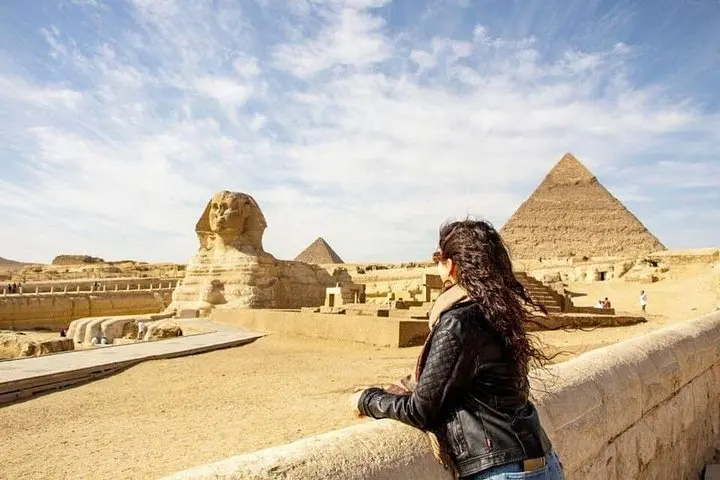
This itinerary threads modern Cairo with the classical heartbeat of the Nile Valley — Giza’s pyramids, the Egyptian Museum, and the souks — then flies to Aswan to board a three-night cruise past Philae, Kom Ombo, Edfu and on to Luxor’s Karnak and the Valley of the Kings. Geologically the route follows the Nile’s alluvial corridor, where millennia of silt built the fertile ribbon and where sandstone cliffs frame royal tombs carved into the desert.
Culturally, expect layers: Pharaonic monuments, Greco-Roman additions, and modern Nubian towns whose colors and music still feel river-born. Abu Simbel’s relocated temples demonstrate 20th-century engineering meeting ancient devotion, while the Aswan High Dam marks Egypt’s modern water politics.
Practical guidance: plan for heat and strong sun—early starts are best. Many sites require walking on uneven stone and climbing steps; comfortable, closed-toe shoes, sun protection and a reusable water bottle matter. Allow for security checks and modest dress in religious sites. Onboard life is relaxed but guided shore excursions run on schedules — keep passports and printed tickets handy. For photographers, dawn and dusk deliver the most dramatic light on pylons and desert faces.