THE ADVENTURE COLLECTIVE® · Independent discovery and booking for outdoor travel

Drift from Luxor to Aswan on a 6‑night Nile cruise that pairs slow river sailing with daily guided visits to Egypt’s best‑preserved temples. Expect early mornings at archaeology sites, relaxed afternoons on deck, and an accessible intro to pharaonic history.
Drift from Luxor to Aswan on a 6‑night Nile cruise that pairs slow river sailing with daily guided visits to Egypt’s best‑preserved temples. Expect early mornings at archaeology sites, relaxed afternoons on deck, and an accessible intro to pharaonic history.
You wake before dawn to the Nile’s slow current nudging the hull, and the river spits gold across floodplain reeds as Luxor’s temple silhouettes recede. On deck there’s the smell of strong coffee and diesel, the steady hum of engines, and the promise of another day of temples, locks, and islands where the water dares you to linger.
Verified experiences and guided adventures in the surrounding area.
Operated by Balloons first trip · Luxor, Luxor Governorate
You wake before dawn to the Nile’s slow current nudging the hull, and the river spits gold across floodplain reeds as Luxor’s temple silhouettes recede. On deck there’s the smell of strong coffee and diesel, the steady hum of engines, and the promise of another day of temples, locks, and islands where the water dares you to linger.
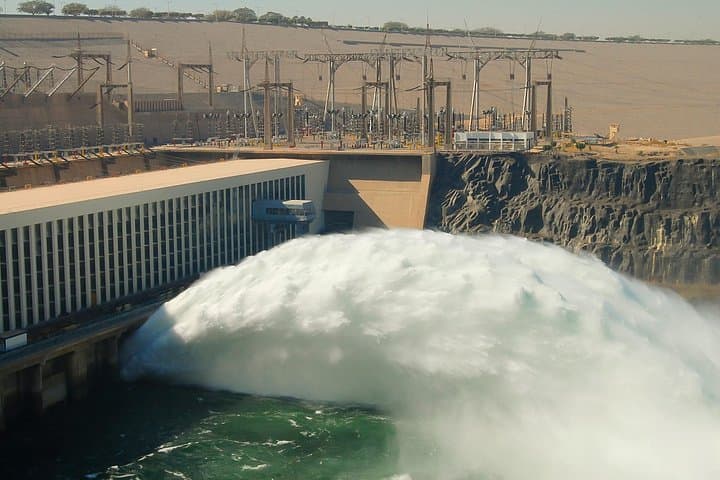
This 6‑night, 7‑day cruise follows the historic artery of ancient Egypt, skimming roughly 200–250 km of river between Luxor and Aswan. The itinerary threads through pharaonic sites—Karnak and Luxor temples, the Valley of the Kings, Hatshepsut’s mortuary temple—then moves south to Kom Ombo, Edfu, Philae, the Aswan High Dam and the Unfinished Obelisk. Geologically, you travel the narrow Nile Valley cut into sedimentary rock and alluvial soil, where sandstone temples rise from low, arid terraces.
Culturally, the Nile still dictates rhythms: feluccas at sunrise, market calls in Nubian neighborhoods, and local fruits on Banana Island. Guides are typically Egyptologists who contextualize hieroglyphs, cults and the river’s role in agricultural cycles.
Practical guidance: plan short but often uneven walks at excavation sites (expect 2–4 hour shore tours), carry a refillable water bottle, sun protection and sturdy walking shoes. Bring photocopies of your passport and enough cash for entry fees, tips and small purchases—cards are limited in smaller towns. Expect relaxed on‑board time between visits—use it to rest, photograph light on temple reliefs, and acclimate to desert days and cool nights. For travelers wanting a low‑effort cultural immersion with predictable daily rhythms, the Nile cruise balances gentle sailing with steep historical payoffs.
Yes—an early morning excursion to the Abu Simbel temples is listed as part of the itinerary, giving you time to see Ramesses II and Nefertari’s rock‑cut shrines.
Minimal fitness is required; you should be able to walk for 2–4 hours at archaeological sites, often on uneven stone and steps.
Accommodation on a 5‑star cruise with full board (excluding drinks) is included, and daily breakfasts and main meals are typically provided on board.
Bring some Egyptian pounds for tips and small purchases; tipping is customary for guides, drivers and boat crew and will be outlined by your Egyptologist guide.
Balloons first trip operates guided outdoor trips and adventures with an emphasis on safety, stewardship, and memorable experiences.
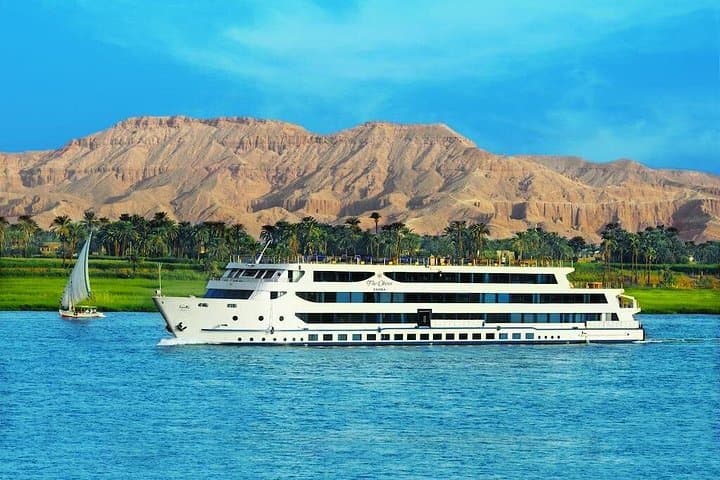
You wake before dawn to the Nile’s slow current nudging the hull, and the river spits gold across floodplain reeds as Luxor’s temple silhouettes recede. On deck there’s the smell of strong coffee and diesel, the steady hum of engines, and the promise of another day of temples, locks, and islands where the water dares you to linger.
You wake before dawn to the Nile’s slow current nudging the hull, and the river spits gold across floodplain reeds as Luxor’s temple silhouettes recede. On deck there’s the smell of strong coffee and diesel, the steady hum of engines, and the promise of another day of temples, locks, and islands where the water dares you to linger.
This 6‑night, 7‑day cruise follows the historic artery of ancient Egypt, skimming roughly 200–250 km of river between Luxor and Aswan. The itinerary threads through pharaonic sites—Karnak and Luxor temples, the Valley of the Kings, Hatshepsut’s mortuary temple—then moves south to Kom Ombo, Edfu, Philae, the Aswan High Dam and the Unfinished Obelisk. Geologically, you travel the narrow Nile Valley cut into sedimentary rock and alluvial soil, where sandstone temples rise from low, arid terraces.
Culturally, the Nile still dictates rhythms: feluccas at sunrise, market calls in Nubian neighborhoods, and local fruits on Banana Island. Guides are typically Egyptologists who contextualize hieroglyphs, cults and the river’s role in agricultural cycles.
Practical guidance: plan short but often uneven walks at excavation sites (expect 2–4 hour shore tours), carry a refillable water bottle, sun protection and sturdy walking shoes. Bring photocopies of your passport and enough cash for entry fees, tips and small purchases—cards are limited in smaller towns. Expect relaxed on‑board time between visits—use it to rest, photograph light on temple reliefs, and acclimate to desert days and cool nights. For travelers wanting a low‑effort cultural immersion with predictable daily rhythms, the Nile cruise balances gentle sailing with steep historical payoffs.