THE ADVENTURE COLLECTIVE® · Independent discovery and booking for outdoor travel

A private seven-day circuit through northern Morocco that links Tangier, Chefchaouen, Volubilis, Fes, Rabat, Casablanca and Marrakech. Expect guided medina walks, Roman ruins, mountain views, and comfortable vehicle transfers between cultural highlights.
A private seven-day circuit through northern Morocco that links Tangier, Chefchaouen, Volubilis, Fes, Rabat, Casablanca and Marrakech. Expect guided medina walks, Roman ruins, mountain views, and comfortable vehicle transfers between cultural highlights.
The first light over Tangier hits the Bay and the old medina wakes in a slow, human rhythm—fishmongers calling, café cups clinking, and the Strait of Gibraltar glinting like an invitation. Over seven days this private, vehicle-based itinerary carries travelers from Tangier’s hill-top viewpoints through the blue alleys of Chefchaouen, past the Roman stones of Volubilis, into the living medieval maze of Fes, and onward to Rabat and Marrakech.
Verified experiences and guided adventures in the surrounding area.
Operated by Desertbrise Travel · Tangier, Tangier-Tetouan-Al Hoceima
The first light over Tangier hits the Bay and the old medina wakes in a slow, human rhythm—fishmongers calling, café cups clinking, and the Strait of Gibraltar glinting like an invitation. Over seven days this private, vehicle-based itinerary carries travelers from Tangier’s hill-top viewpoints through the blue alleys of Chefchaouen, past the Roman stones of Volubilis, into the living medieval maze of Fes, and onward to Rabat and Marrakech.
History is palpable at every stop: Tangier’s role as a crossroad of Europe and Africa, Chefchaouen’s 15th-century foundation by Idrissid sharifs and later Andalusian refugees, Volubilis’s Roman mosaics dating to the 2nd–3rd centuries, and Fes’s medieval Marinid architecture and souks. The Rif Mountains loom with folded limestone ridges; plains and Atlantic coastline frame Casablanca’s modernist sweep and Marrakech’s ochre ramparts.
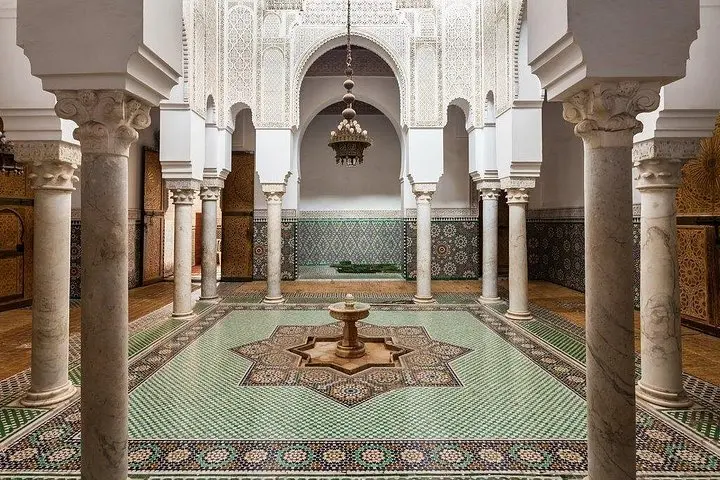
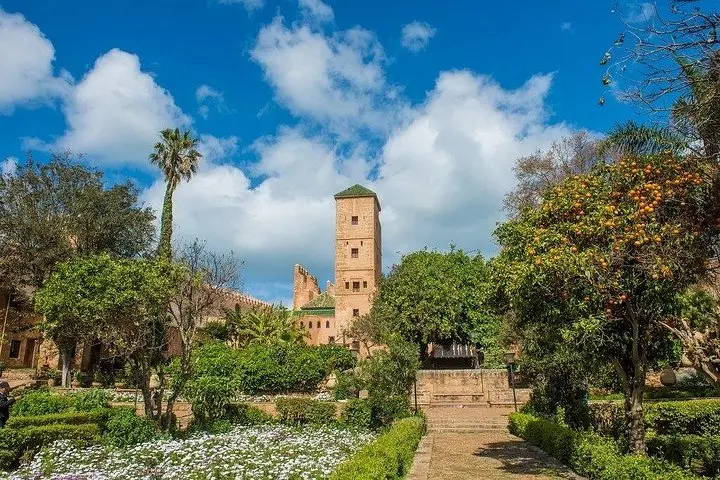
Culturally the trip emphasizes markets and monuments—guided walks through medinas, garden visits like Majorelle, and time at UNESCO sites. Local guides decode craftsmanship in tanneries, ceramics, and spice stalls while drivers bridge longer distances (several transfers of 2–5 hours).
Practical notes: expect moderate walking on uneven cobbles and stairs, minimal hiking, and mostly air-conditioned vehicle transfers. Bring sturdy walking shoes, a lightweight daypack, layered clothing for inland heat and coastal breeze, and cash for small purchases. Peak visiting times are spring and autumn for cooler temperatures and milder crowds. With advance bookings for major sites and a flexible pace, this route delivers cultural depth with reliable logistics—an efficient way to absorb northern Morocco’s layered history and landscapes.
Visa requirements depend on your nationality; many countries receive visa-free entry for short stays—check Moroccan consulate rules before travel.
Transport and many public areas are vehicle-accessible, but medina alleys and historic sites often have uneven surfaces and steps that complicate wheelchair access.
Arabic (Moroccan Darija) and French are widely spoken; English is common in tourism services and larger hotels, and guides usually speak multiple languages.
Carry enough Moroccan dirhams for market purchases, tips, and small services—ATMs are available in major cities but smaller towns may have limited access.
Desertbrise Travel operates guided outdoor trips and adventures with an emphasis on safety, stewardship, and memorable experiences.
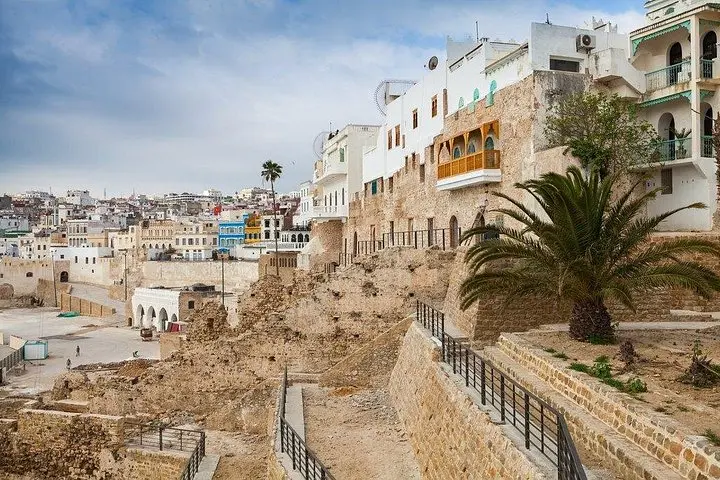
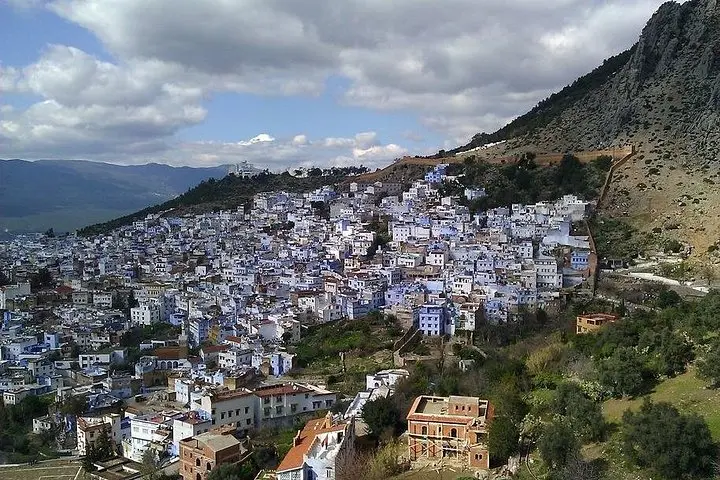
The first light over Tangier hits the Bay and the old medina wakes in a slow, human rhythm—fishmongers calling, café cups clinking, and the Strait of Gibraltar glinting like an invitation. Over seven days this private, vehicle-based itinerary carries travelers from Tangier’s hill-top viewpoints through the blue alleys of Chefchaouen, past the Roman stones of Volubilis, into the living medieval maze of Fes, and onward to Rabat and Marrakech.
The first light over Tangier hits the Bay and the old medina wakes in a slow, human rhythm—fishmongers calling, café cups clinking, and the Strait of Gibraltar glinting like an invitation. Over seven days this private, vehicle-based itinerary carries travelers from Tangier’s hill-top viewpoints through the blue alleys of Chefchaouen, past the Roman stones of Volubilis, into the living medieval maze of Fes, and onward to Rabat and Marrakech.
History is palpable at every stop: Tangier’s role as a crossroad of Europe and Africa, Chefchaouen’s 15th-century foundation by Idrissid sharifs and later Andalusian refugees, Volubilis’s Roman mosaics dating to the 2nd–3rd centuries, and Fes’s medieval Marinid architecture and souks. The Rif Mountains loom with folded limestone ridges; plains and Atlantic coastline frame Casablanca’s modernist sweep and Marrakech’s ochre ramparts.
Culturally the trip emphasizes markets and monuments—guided walks through medinas, garden visits like Majorelle, and time at UNESCO sites. Local guides decode craftsmanship in tanneries, ceramics, and spice stalls while drivers bridge longer distances (several transfers of 2–5 hours).
Practical notes: expect moderate walking on uneven cobbles and stairs, minimal hiking, and mostly air-conditioned vehicle transfers. Bring sturdy walking shoes, a lightweight daypack, layered clothing for inland heat and coastal breeze, and cash for small purchases. Peak visiting times are spring and autumn for cooler temperatures and milder crowds. With advance bookings for major sites and a flexible pace, this route delivers cultural depth with reliable logistics—an efficient way to absorb northern Morocco’s layered history and landscapes.