THE ADVENTURE COLLECTIVE® · Independent discovery and booking for outdoor travel

See Egypt’s essentials in a week: Giza’s pyramids, Cairo’s museum, a luxe Nile cruise between Luxor and Aswan, and a sunrise visit to Abu Simbel. This private 7‑day package pairs efficient logistics with expert Egyptologist guidance for a focused cultural journey.
See Egypt’s essentials in a week: Giza’s pyramids, Cairo’s museum, a luxe Nile cruise between Luxor and Aswan, and a sunrise visit to Abu Simbel. This private 7‑day package pairs efficient logistics with expert Egyptologist guidance for a focused cultural journey.
You step out of the Cairo airport into a current of warm air and noise; the city seems to push you toward the silhouette of the pyramids on the horizon. Within hours you'll trade congested streets for the quiet authority of stone — three generations of pyramids on the Giza Plateau — then board a five-star Nile cruiser that will ferry you south where the river itself feels like a slow-moving archivist, carrying temples and ruins downstream.
Verified experiences and guided adventures in the surrounding area.
Operated by Marsa Alam Tours · Cairo, Cairo Governorate
You step out of the Cairo airport into a current of warm air and noise; the city seems to push you toward the silhouette of the pyramids on the horizon. Within hours you'll trade congested streets for the quiet authority of stone — three generations of pyramids on the Giza Plateau — then board a five-star Nile cruiser that will ferry you south where the river itself feels like a slow-moving archivist, carrying temples and ruins downstream.
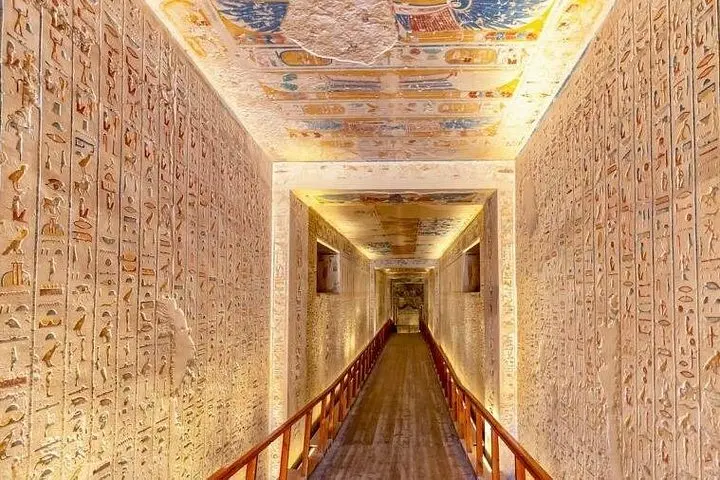
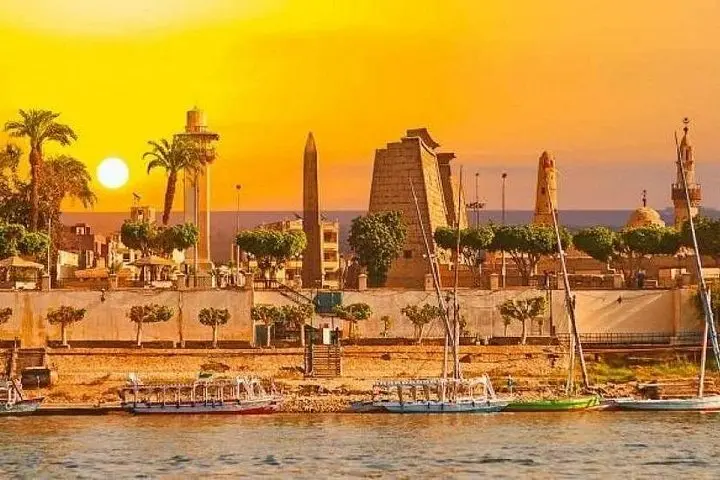
This private seven-day itinerary stitches together Pharaonic high points: Giza and the Sphinx, the Egyptian Museum’s Tutankhamun treasures, the Karnak and Luxor temple complexes, the Valley of the Kings and Hatshepsut’s terraces, plus the island-city of Aswan with its High Dam and the relocated Abu Simbel temples. Geologically, you move from the alluvial Nilotic plain into the harder granites quarried in Aswan; culturally, you’ll cross layers of Pharaonic, Greco-Roman and Islamic history in compact, walkable sites.
Expect 1–3 km of walking at major sites, uneven stone surfaces, and short stair sections at temple thresholds. The Luxor–Aswan river segment spans roughly 150 miles by water, measured in slow bends and daily shore excursions. Practical tips: travel light for transfers and temple entry, carry a brimmed hat and 2–3 liters of water daily, and keep local cash for small purchases and tips. Museum rooms and some inner tombs have camera restrictions; your Egyptologist guide will flag them.
Best time to visit is October–April for cooler days. Modest dress in religious sites is respectful and required. With private transfers and included domestic flights, this tour is compact but paced — it asks only for curiosity, sensible footwear, and a readiness to let ancient stone lead the way.
Yes — the itinerary includes domestic flight segments as listed, simplifying long transfers between Upper and Lower Egypt.
Most nationalities require an Egyptian visa; check your government’s travel advisories and arrange either e‑visa or visa-on-arrival before travel.
This private package typically books double-occupancy cabins; single-room requests should be confirmed with the operator at booking.
Most major entrance fees listed in the itinerary are included, but optional sites (like special mummy rooms or additional tombs) may require extra tickets.
Marsa Alam Tours operates guided outdoor trips and adventures with an emphasis on safety, stewardship, and memorable experiences.
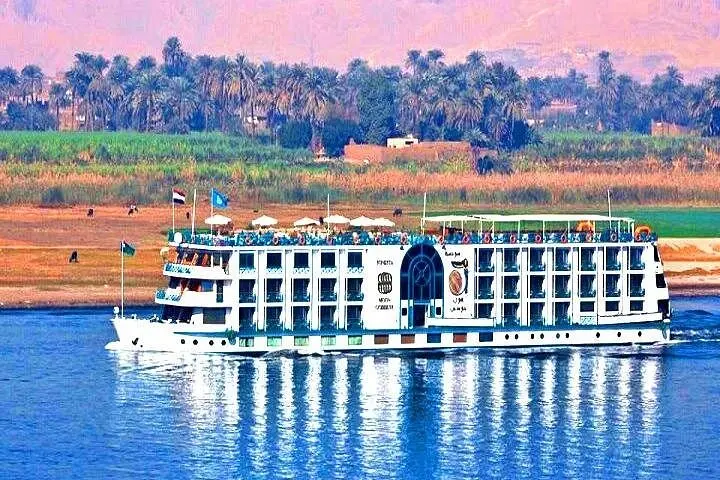
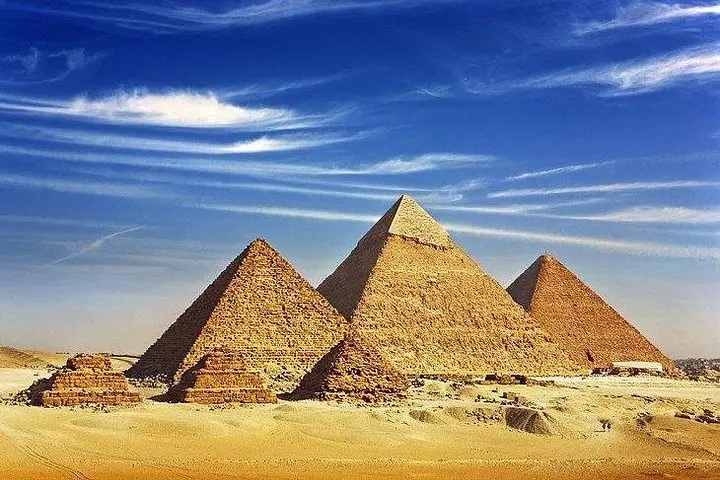
You step out of the Cairo airport into a current of warm air and noise; the city seems to push you toward the silhouette of the pyramids on the horizon. Within hours you'll trade congested streets for the quiet authority of stone — three generations of pyramids on the Giza Plateau — then board a five-star Nile cruiser that will ferry you south where the river itself feels like a slow-moving archivist, carrying temples and ruins downstream.
You step out of the Cairo airport into a current of warm air and noise; the city seems to push you toward the silhouette of the pyramids on the horizon. Within hours you'll trade congested streets for the quiet authority of stone — three generations of pyramids on the Giza Plateau — then board a five-star Nile cruiser that will ferry you south where the river itself feels like a slow-moving archivist, carrying temples and ruins downstream.
This private seven-day itinerary stitches together Pharaonic high points: Giza and the Sphinx, the Egyptian Museum’s Tutankhamun treasures, the Karnak and Luxor temple complexes, the Valley of the Kings and Hatshepsut’s terraces, plus the island-city of Aswan with its High Dam and the relocated Abu Simbel temples. Geologically, you move from the alluvial Nilotic plain into the harder granites quarried in Aswan; culturally, you’ll cross layers of Pharaonic, Greco-Roman and Islamic history in compact, walkable sites.
Expect 1–3 km of walking at major sites, uneven stone surfaces, and short stair sections at temple thresholds. The Luxor–Aswan river segment spans roughly 150 miles by water, measured in slow bends and daily shore excursions. Practical tips: travel light for transfers and temple entry, carry a brimmed hat and 2–3 liters of water daily, and keep local cash for small purchases and tips. Museum rooms and some inner tombs have camera restrictions; your Egyptologist guide will flag them.
Best time to visit is October–April for cooler days. Modest dress in religious sites is respectful and required. With private transfers and included domestic flights, this tour is compact but paced — it asks only for curiosity, sensible footwear, and a readiness to let ancient stone lead the way.