THE ADVENTURE COLLECTIVE® · Independent discovery and booking for outdoor travel

Traverse ancient Egypt on a private seven‑day route from Luxor to Alexandria. See Karnak and the Valley of the Kings, sail the Nile’s spirit through Aswan, then finish amid Cairo’s pyramids and museums.
Traverse ancient Egypt on a private seven‑day route from Luxor to Alexandria. See Karnak and the Valley of the Kings, sail the Nile’s spirit through Aswan, then finish amid Cairo’s pyramids and museums.
Morning light lifts over the Nile and Luxor’s temples, dust motes catching like small, patient stars as a private coach pulls away for a seven‑day sweep through Egypt’s major ancient sites.
Verified experiences and guided adventures in the surrounding area.
Operated by Ayad world tours · Luxor, Luxor Governorate
Morning light lifts over the Nile and Luxor’s temples, dust motes catching like small, patient stars as a private coach pulls away for a seven‑day sweep through Egypt’s major ancient sites.
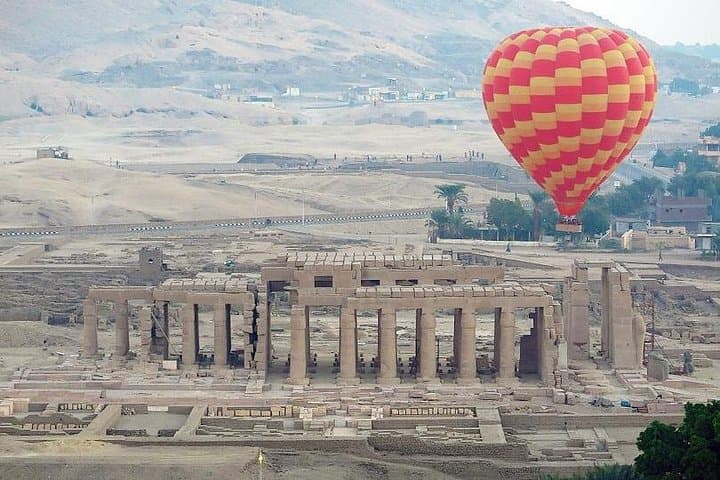
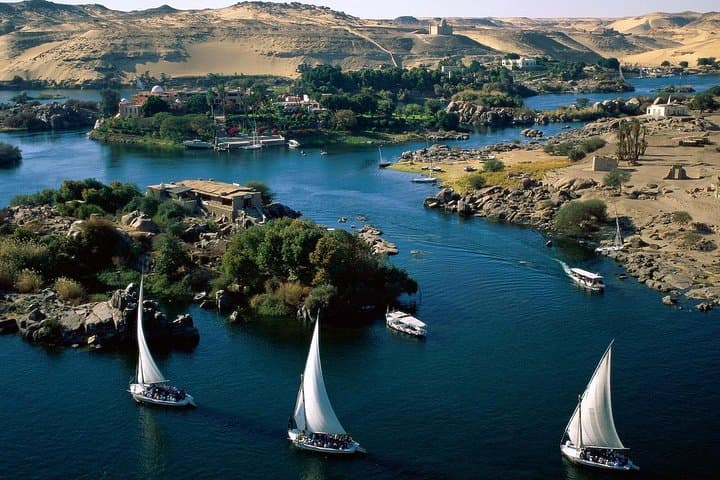
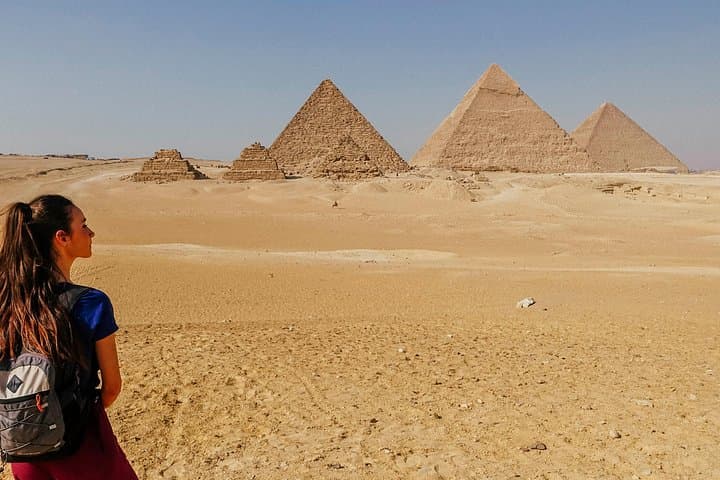
The itinerary moves with purpose: Karnak and Luxor’s colonnades on the east bank, the funerary cliffs of the Valley of the Kings and Hatshepsut on the west, then downstream to Aswan’s High Dam, the Unfinished Obelisk and Philae. A sleeper train stitches the southern cities to metropolitan Cairo where the Giza plateau and the Egyptian Museum anchor the story, and a day‑trip to Alexandria adds Mediterranean stone and Ottoman‑era forts.
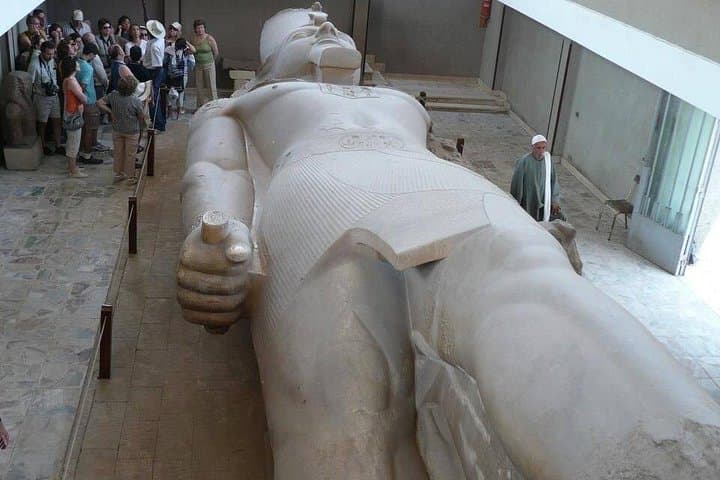
Geology here matters: the Nile’s floodplain carved soft silt against harder limestone escarpments where tombs were cut and pyramid complexes raised. Culturally the route traces centuries of continuous habitation — Thebes (modern Luxor), Memphis and Alexandria each layered with Pharaonic, Greco‑Roman and Islamic chapters.
Expect guided entry at major sites, short walks over uneven ground, and time in crowded bazaars that reward bargaining and curiosity. Practicalities: carry sunscreen and a refillable bottle, wear closed shoes for tomb steps, and plan for heat by mid‑day. Respect preservation rules — avoid leaning on reliefs and follow guide directions inside fragile tombs.
For travellers who want efficient access to top antiquities with private transport and local expertise, this tour balances pace and depth. Bookings typically include hotels, selected meals and train passage; daily rhythms alternate between focused archaeology and quieter stretches along the Nile where you can pause and listen to the current pushing history onward.
Major admissions and 5* or similar hotels listed in the itinerary are included as noted; some local site fees or optional extras may be payable on site.
Many nationalities require a visa for Egypt — check current consulate guidance or e‑visa rules before travel and ensure passport validity of at least six months.
Yes; the tour is family‑friendly but requires moderate mobility — stairs and uneven ground make it less suitable for those with significant mobility limitations.
Tipping (“baksheesh”) is customary for guides, drivers and service staff; carry small notes and ask your guide for suggested amounts per service.
Ayad world tours operates guided outdoor trips and adventures with an emphasis on safety, stewardship, and memorable experiences.
Morning light lifts over the Nile and Luxor’s temples, dust motes catching like small, patient stars as a private coach pulls away for a seven‑day sweep through Egypt’s major ancient sites.
Morning light lifts over the Nile and Luxor’s temples, dust motes catching like small, patient stars as a private coach pulls away for a seven‑day sweep through Egypt’s major ancient sites.
The itinerary moves with purpose: Karnak and Luxor’s colonnades on the east bank, the funerary cliffs of the Valley of the Kings and Hatshepsut on the west, then downstream to Aswan’s High Dam, the Unfinished Obelisk and Philae. A sleeper train stitches the southern cities to metropolitan Cairo where the Giza plateau and the Egyptian Museum anchor the story, and a day‑trip to Alexandria adds Mediterranean stone and Ottoman‑era forts.
Geology here matters: the Nile’s floodplain carved soft silt against harder limestone escarpments where tombs were cut and pyramid complexes raised. Culturally the route traces centuries of continuous habitation — Thebes (modern Luxor), Memphis and Alexandria each layered with Pharaonic, Greco‑Roman and Islamic chapters.
Expect guided entry at major sites, short walks over uneven ground, and time in crowded bazaars that reward bargaining and curiosity. Practicalities: carry sunscreen and a refillable bottle, wear closed shoes for tomb steps, and plan for heat by mid‑day. Respect preservation rules — avoid leaning on reliefs and follow guide directions inside fragile tombs.
For travellers who want efficient access to top antiquities with private transport and local expertise, this tour balances pace and depth. Bookings typically include hotels, selected meals and train passage; daily rhythms alternate between focused archaeology and quieter stretches along the Nile where you can pause and listen to the current pushing history onward.