THE ADVENTURE COLLECTIVE® · Independent discovery and booking for outdoor travel

A private, seven-day circuit through India’s Golden Triangle combining sunrise at the Taj Mahal, jeep safaris in Ranthambore for Bengal tigers, and the forts and bazaars of Jaipur. Practical routing, cultural notes, and what to pack for early safaris and city walking included.
A private, seven-day circuit through India’s Golden Triangle combining sunrise at the Taj Mahal, jeep safaris in Ranthambore for Bengal tigers, and the forts and bazaars of Jaipur. Practical routing, cultural notes, and what to pack for early safaris and city walking included.
You step onto humid morning pavement in New Delhi as the city blinks awake—rickshaws hum, the scent of chai threads the air, and your private vehicle peels away toward horizons that change from imperial stone to scrubby forest. Over seven days you move through Mughal monuments, the marble hush of the Taj Mahal, the scrub and boulder country of Ranthambore where tigers shape the dawn, and the pink-tinged streets of Jaipur where forts keep watch from the Aravalli ridgeline.
Verified experiences and guided adventures in the surrounding area.
Operated by EXPERT TOURS & TRAVELS · New Delhi, Delhi
You step onto humid morning pavement in New Delhi as the city blinks awake—rickshaws hum, the scent of chai threads the air, and your private vehicle peels away toward horizons that change from imperial stone to scrubby forest. Over seven days you move through Mughal monuments, the marble hush of the Taj Mahal, the scrub and boulder country of Ranthambore where tigers shape the dawn, and the pink-tinged streets of Jaipur where forts keep watch from the Aravalli ridgeline.
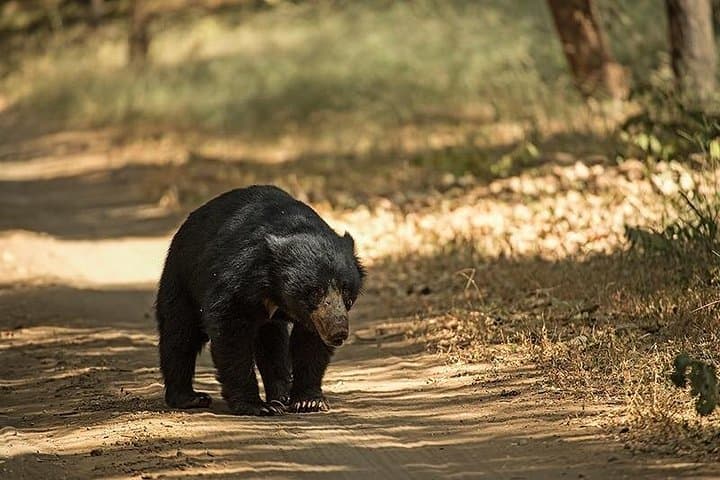
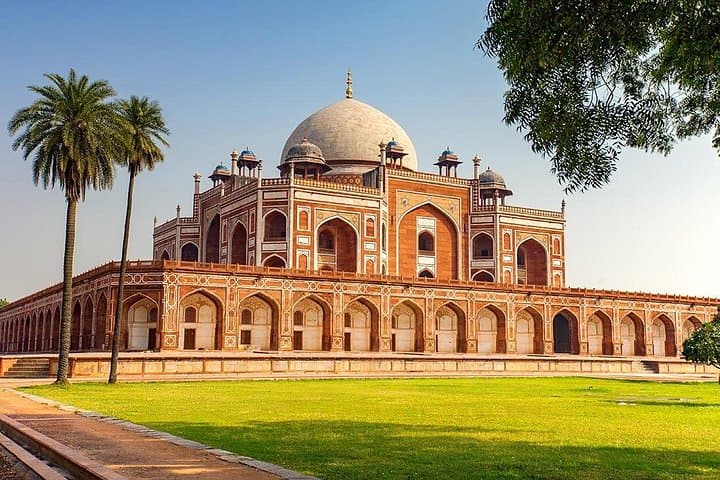
History here is worn in stone: Humayun’s Tomb and Qutub Minar mark early imperial experiments in architecture; Agra and Fatehpur Sikri show Mughal ambition; Jaipur’s palaces and Jal Mahal show Rajput patronage. Geology matters too—northern India’s alluvial plains cradle Agra’s marble, while the Aravalli foothills provide the rocky outcrops and dry deciduous forest that sustain Ranthambore’s wildlife. Culturally, bazaars and community kitchens (langars) reveal how food and craft anchor daily life.
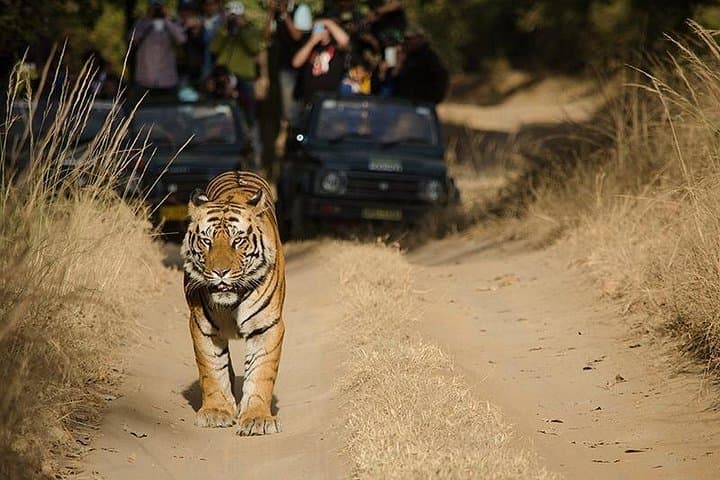
Practically, expect multiple drives—Delhi to Agra ~3 hours (210 km), Agra to Ranthambore up to ~7 hours depending on route—and early-morning and late-afternoon shared jeep safaris in Ranthambore. The Taj is best at sunrise; note it’s closed Fridays and often weather-dependent. Carry local currency for small purchases, keep travel documents and an Indian visa ready, and plan cooler layers for pre-dawn safaris. Hydration, sun protection, and quiet patience raise your chances of a tiger sighting; the forest will test your stillness, and in that pause the landscape often answers.
The Taj Mahal is closed on Fridays for general visitors; if your scheduled day falls on a Friday you will be rescheduled to a prior or later day.
Ranthambore typically closes for the monsoon from July 1 through September 30; safaris are not available during this period.
Yes—visitors require a valid visa before arrival; passport details and expiry are required at booking time.
No—sightings are common in Ranthambore but not guaranteed; two game drives (early morning and late afternoon) increase odds along with patient, quiet observation.
EXPERT TOURS & TRAVELS operates guided outdoor trips and adventures with an emphasis on safety, stewardship, and memorable experiences.
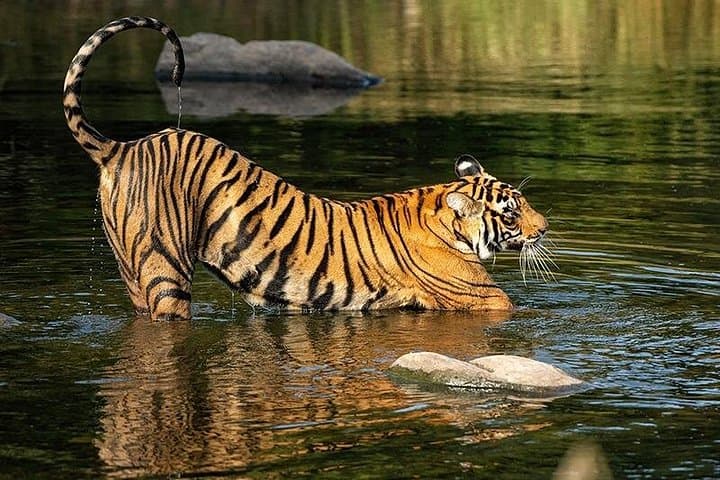
You step onto humid morning pavement in New Delhi as the city blinks awake—rickshaws hum, the scent of chai threads the air, and your private vehicle peels away toward horizons that change from imperial stone to scrubby forest. Over seven days you move through Mughal monuments, the marble hush of the Taj Mahal, the scrub and boulder country of Ranthambore where tigers shape the dawn, and the pink-tinged streets of Jaipur where forts keep watch from the Aravalli ridgeline.
You step onto humid morning pavement in New Delhi as the city blinks awake—rickshaws hum, the scent of chai threads the air, and your private vehicle peels away toward horizons that change from imperial stone to scrubby forest. Over seven days you move through Mughal monuments, the marble hush of the Taj Mahal, the scrub and boulder country of Ranthambore where tigers shape the dawn, and the pink-tinged streets of Jaipur where forts keep watch from the Aravalli ridgeline.
History here is worn in stone: Humayun’s Tomb and Qutub Minar mark early imperial experiments in architecture; Agra and Fatehpur Sikri show Mughal ambition; Jaipur’s palaces and Jal Mahal show Rajput patronage. Geology matters too—northern India’s alluvial plains cradle Agra’s marble, while the Aravalli foothills provide the rocky outcrops and dry deciduous forest that sustain Ranthambore’s wildlife. Culturally, bazaars and community kitchens (langars) reveal how food and craft anchor daily life.
Practically, expect multiple drives—Delhi to Agra ~3 hours (210 km), Agra to Ranthambore up to ~7 hours depending on route—and early-morning and late-afternoon shared jeep safaris in Ranthambore. The Taj is best at sunrise; note it’s closed Fridays and often weather-dependent. Carry local currency for small purchases, keep travel documents and an Indian visa ready, and plan cooler layers for pre-dawn safaris. Hydration, sun protection, and quiet patience raise your chances of a tiger sighting; the forest will test your stillness, and in that pause the landscape often answers.